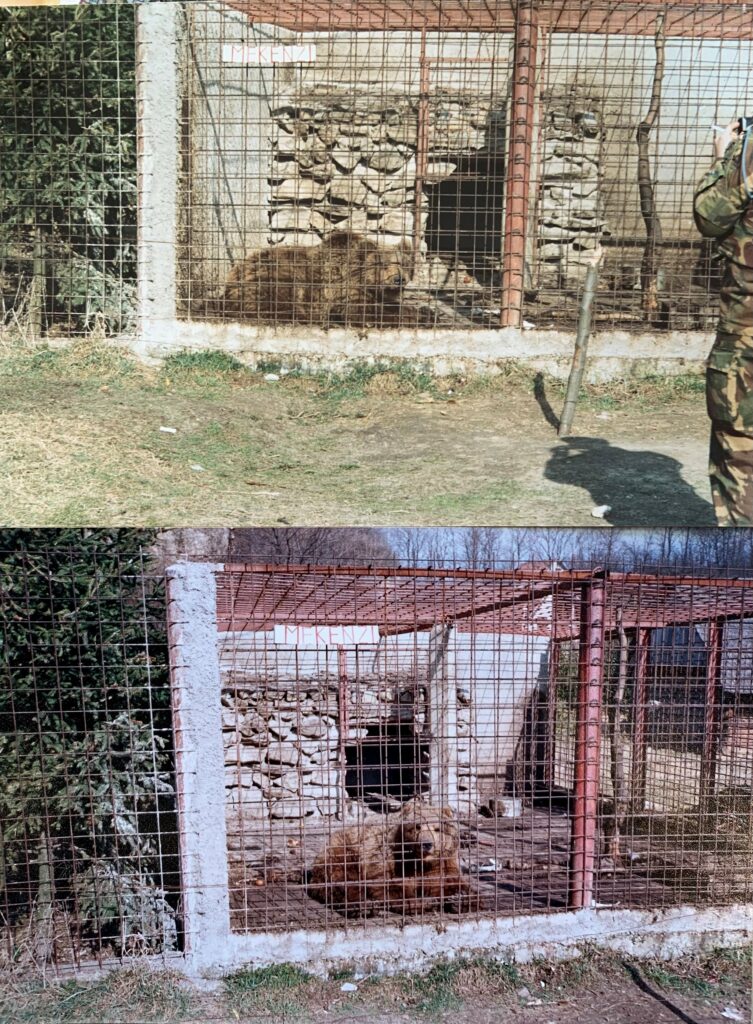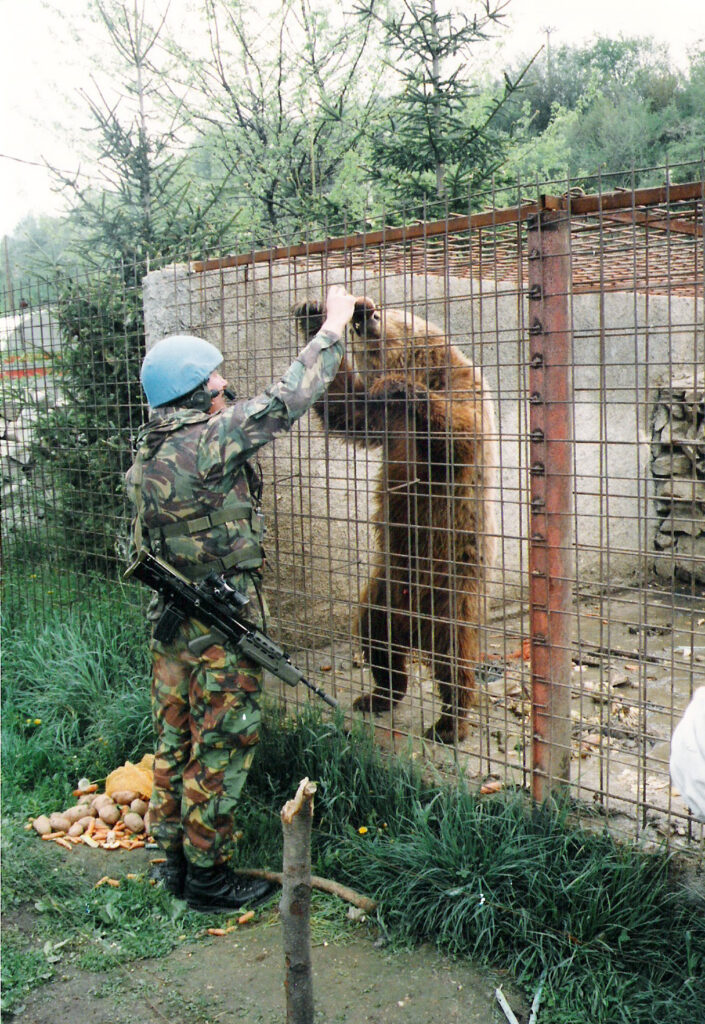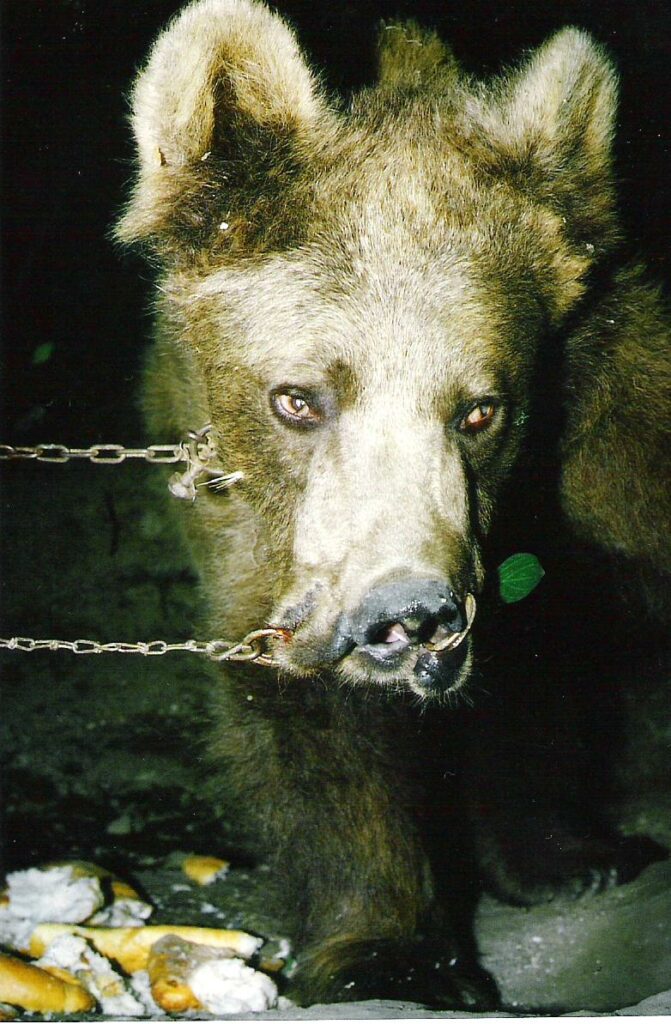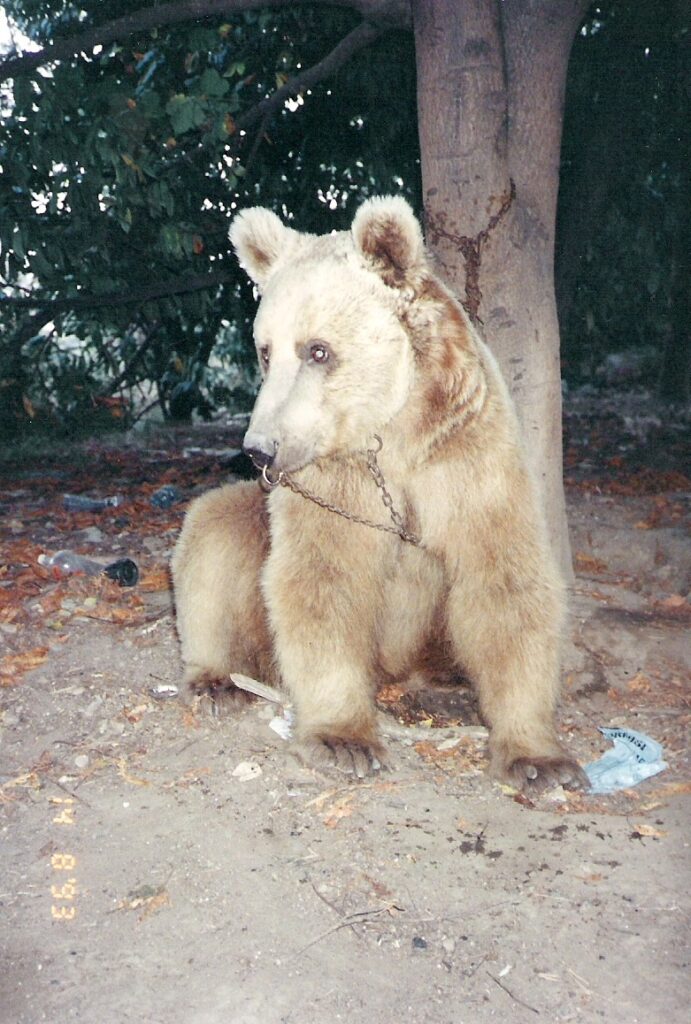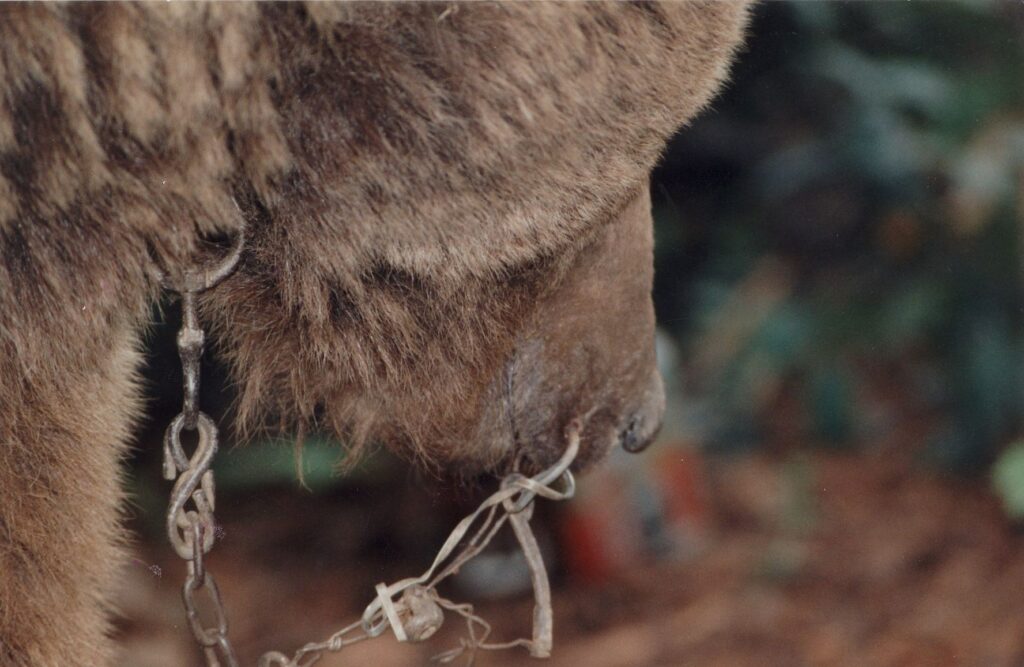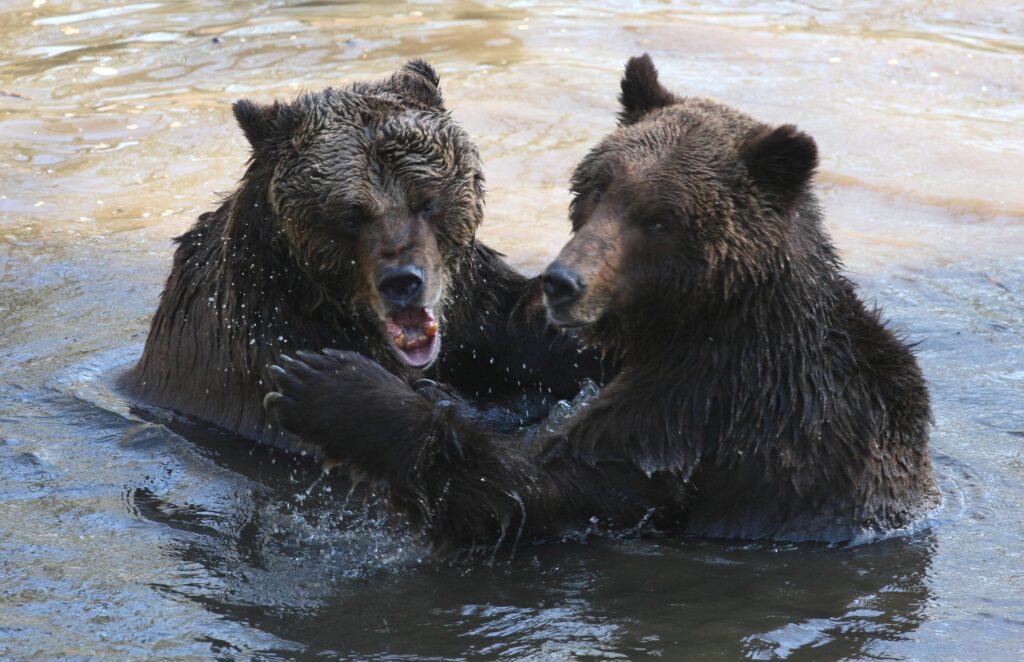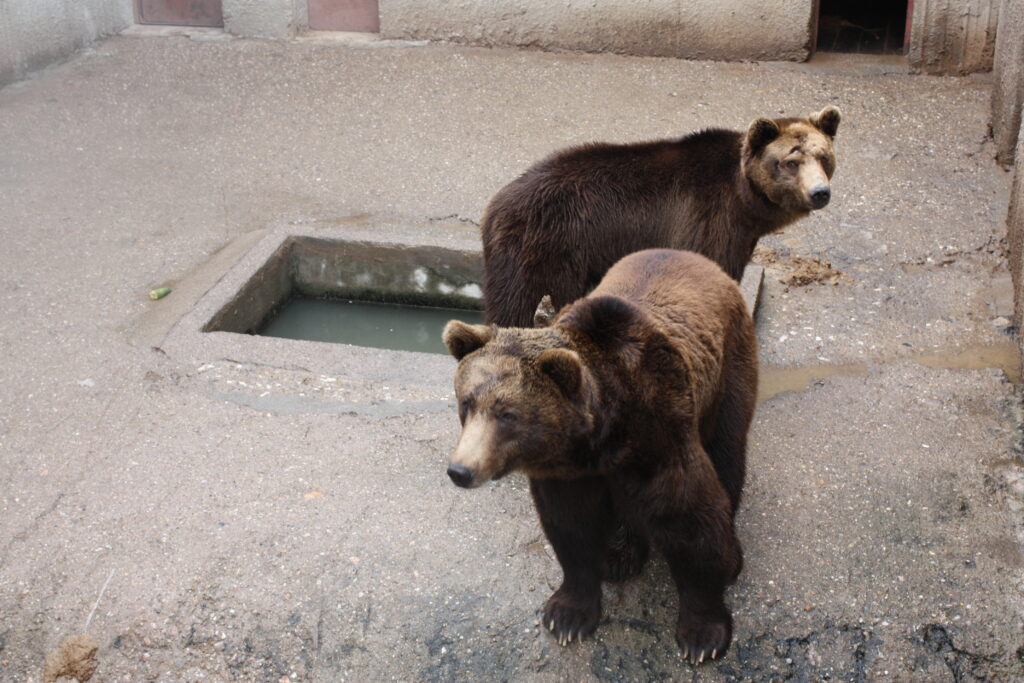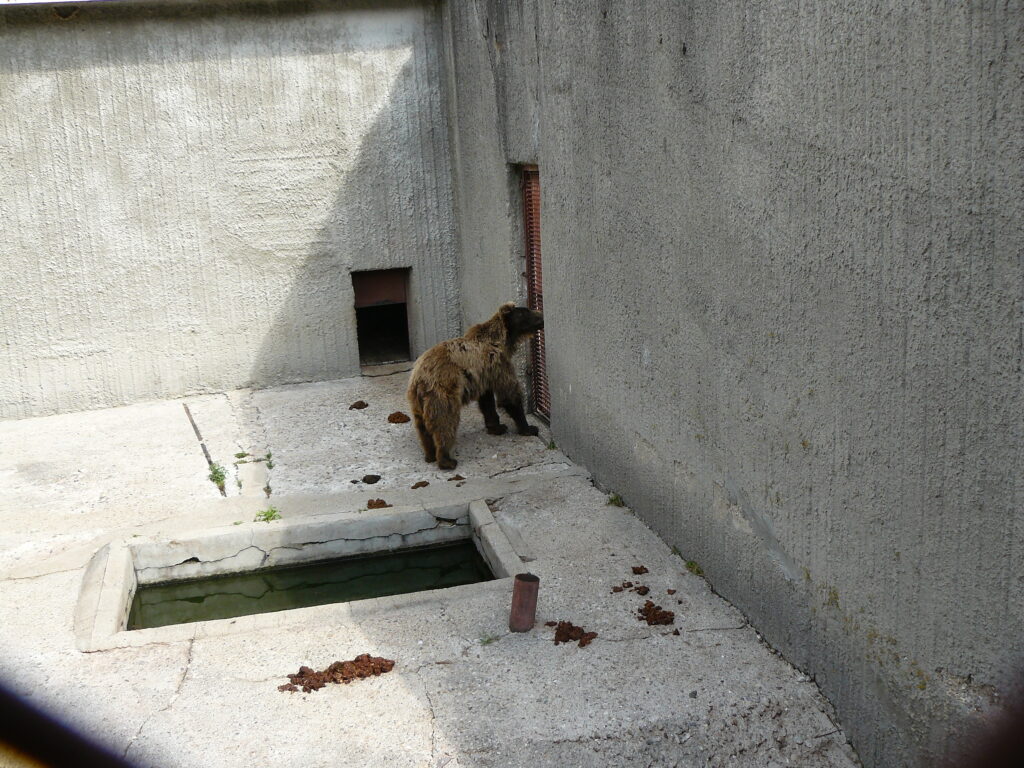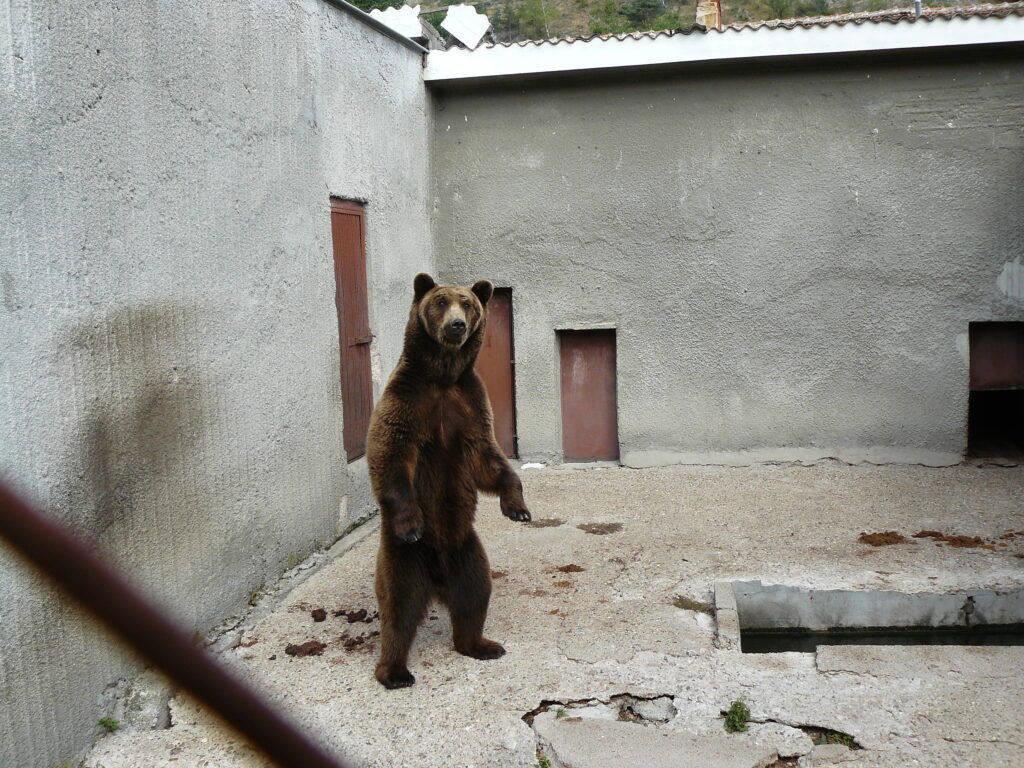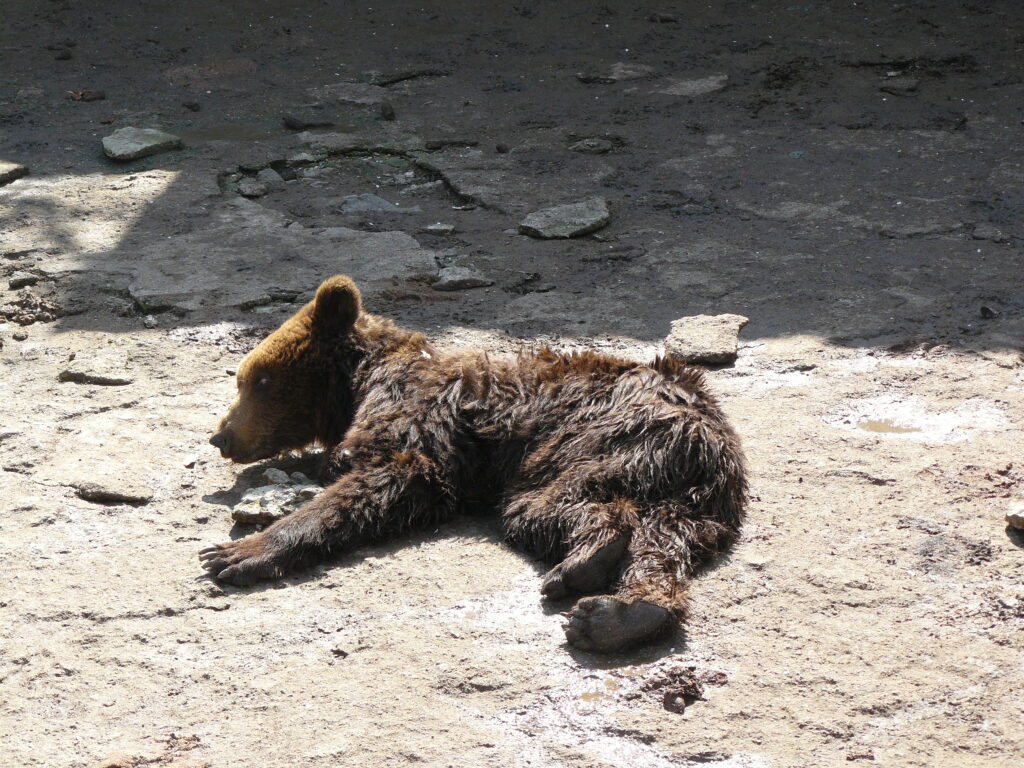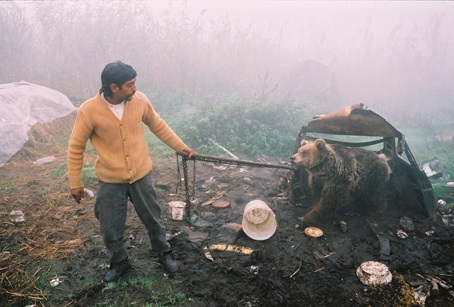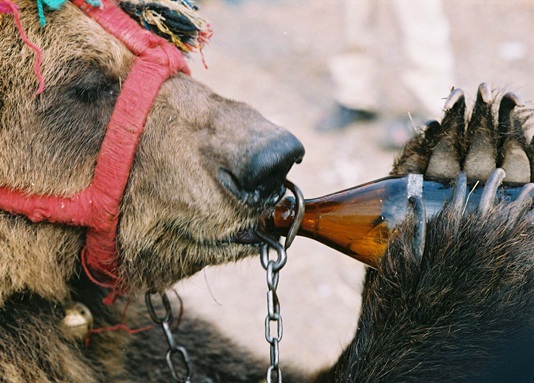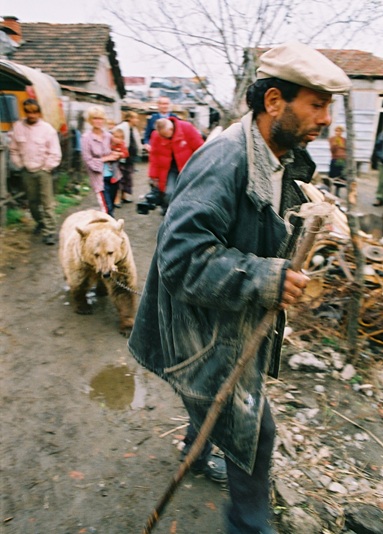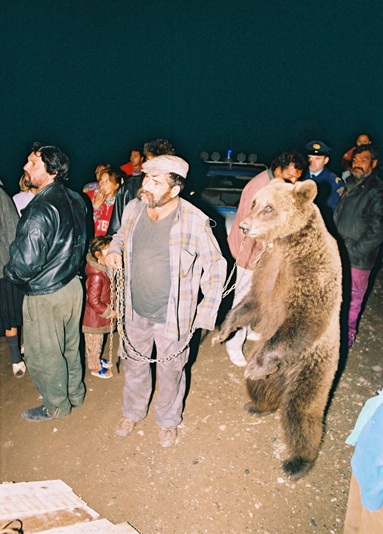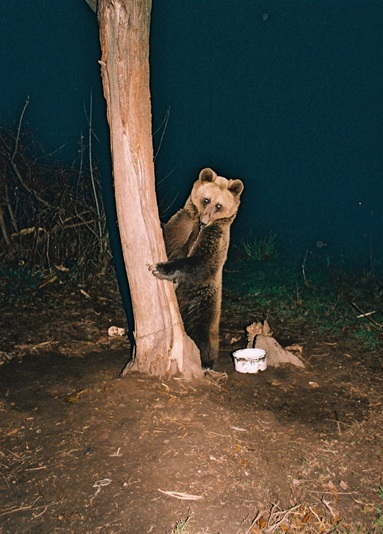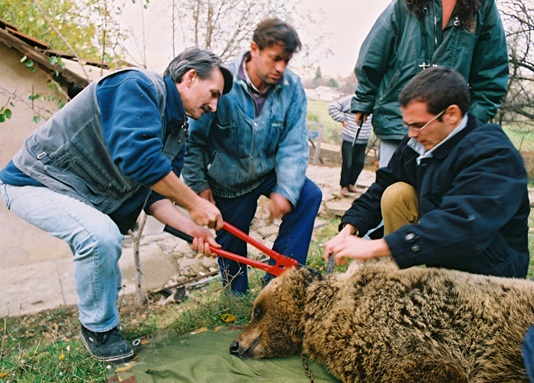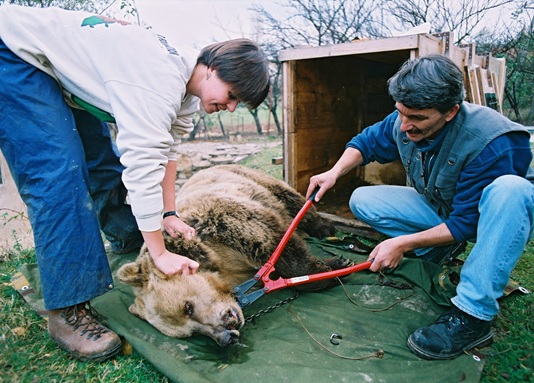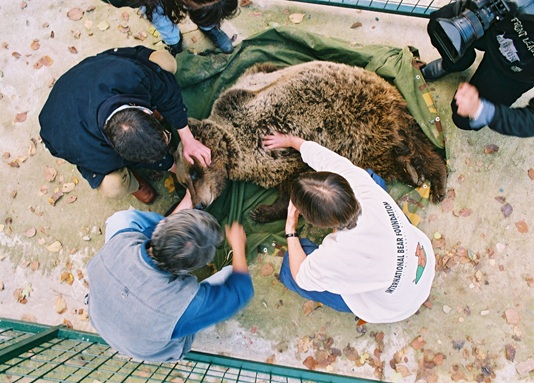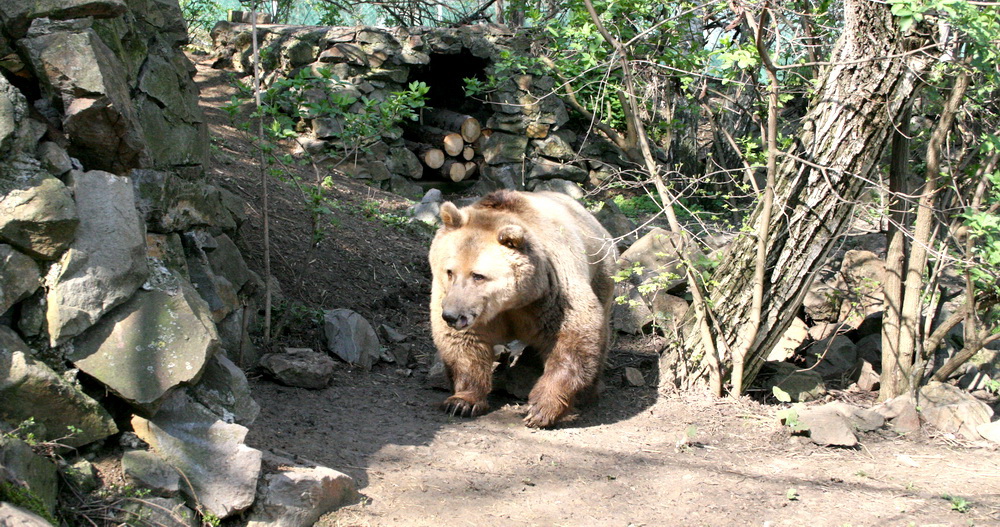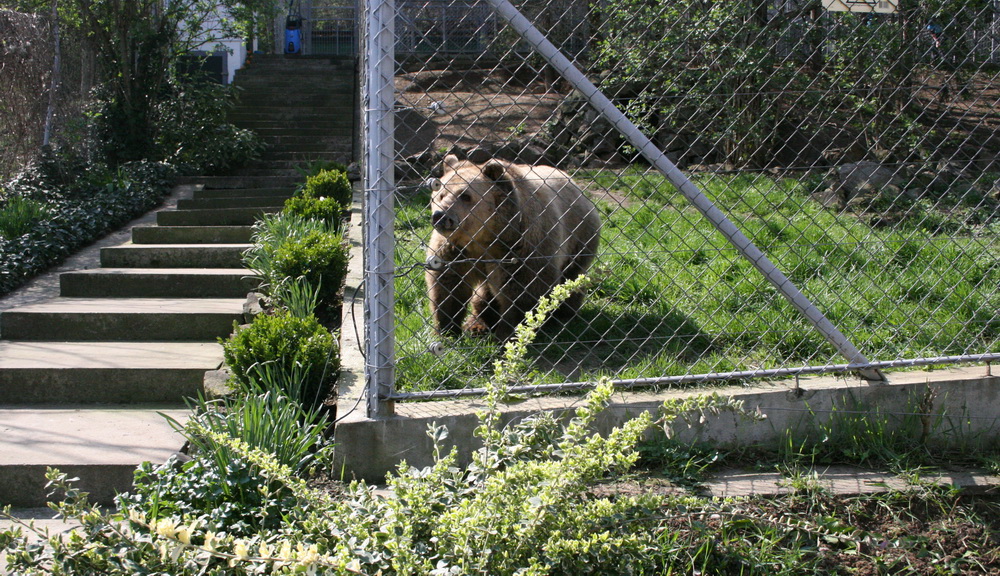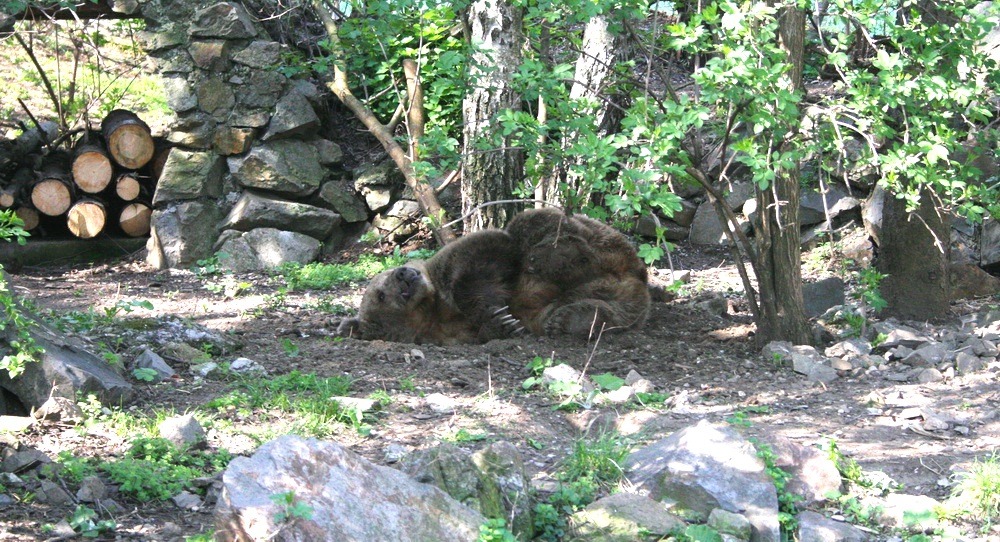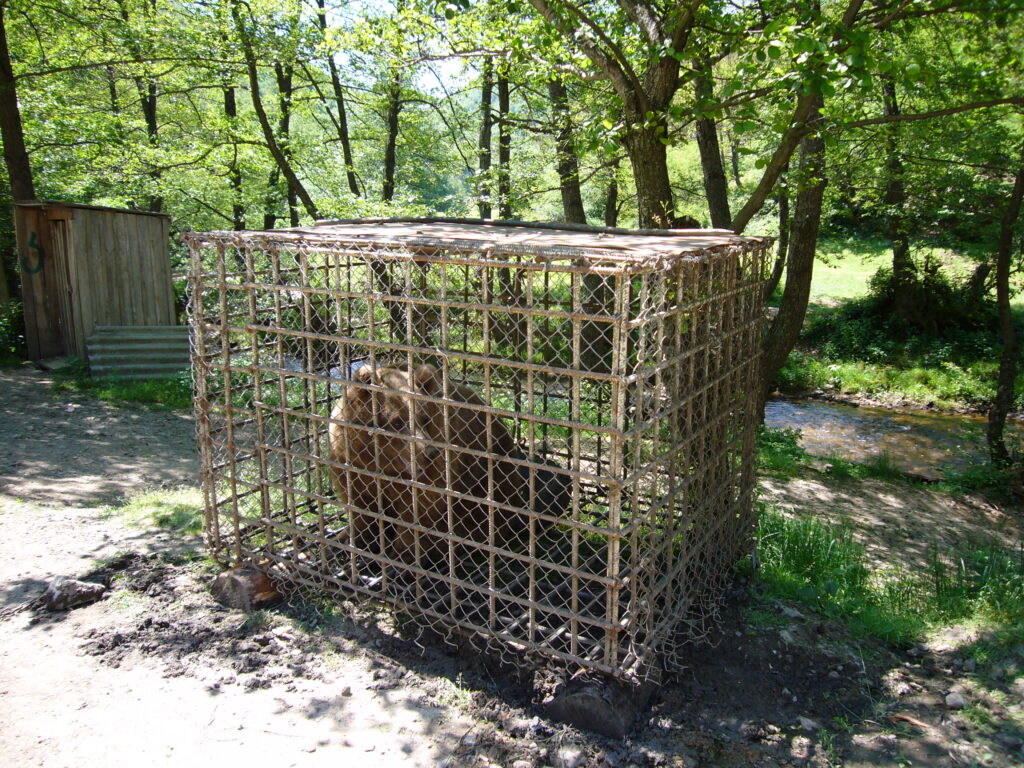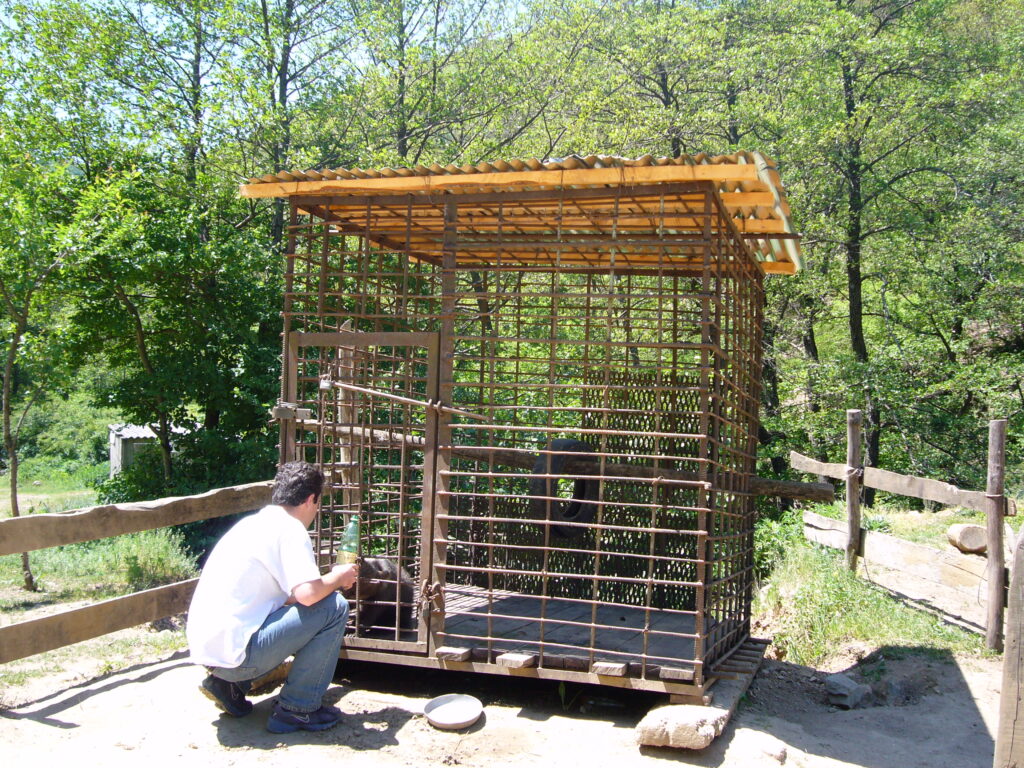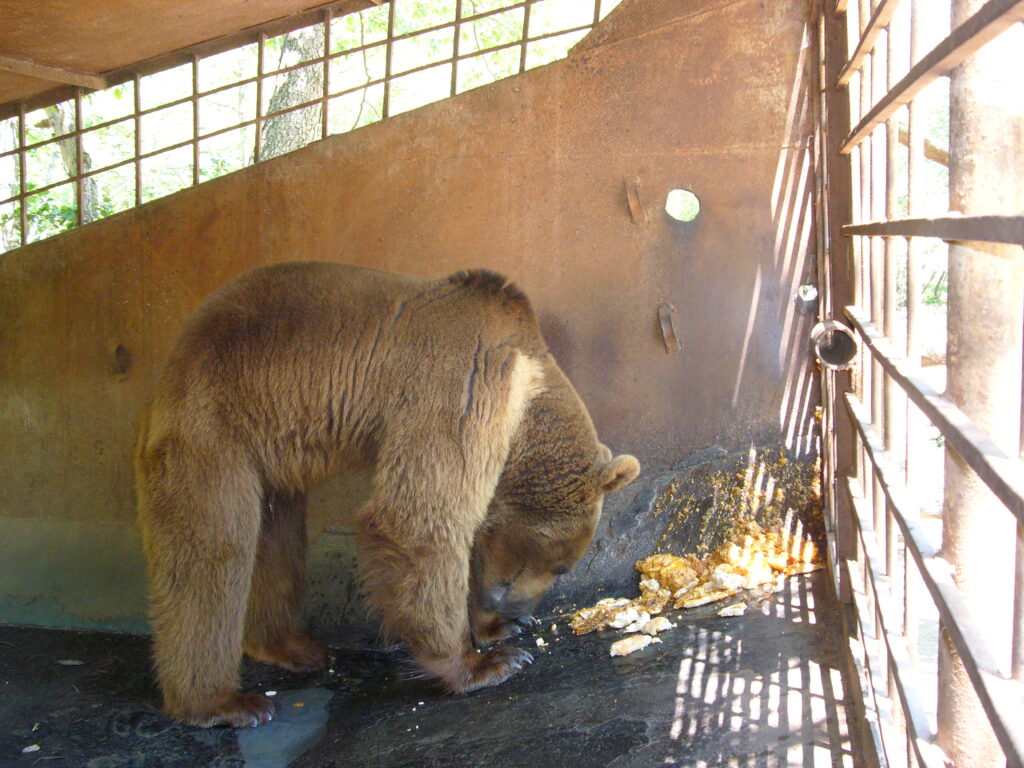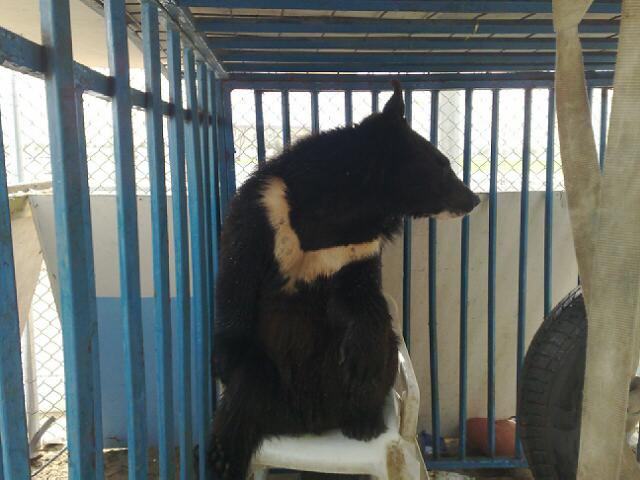
Although brown bears are legally protected in Albania, many wild bears are poached and very little is done to control poaching activities. Keeping bears in captivity is also forbidden by law. However, research carried out by the local partner in Albania ‘PPNEA’ in 2014, indicated that a total of at least 41 bears are kept under sub-optimal conditions. Poor law enforcement as well as endemic corruption in the country have led to a further decline in the wild bear population. According to estimates by the LCIE (Large Carnivore Initiative for Europe) the wild bear population in Albania varies between 180 and 250 individuals (2016).
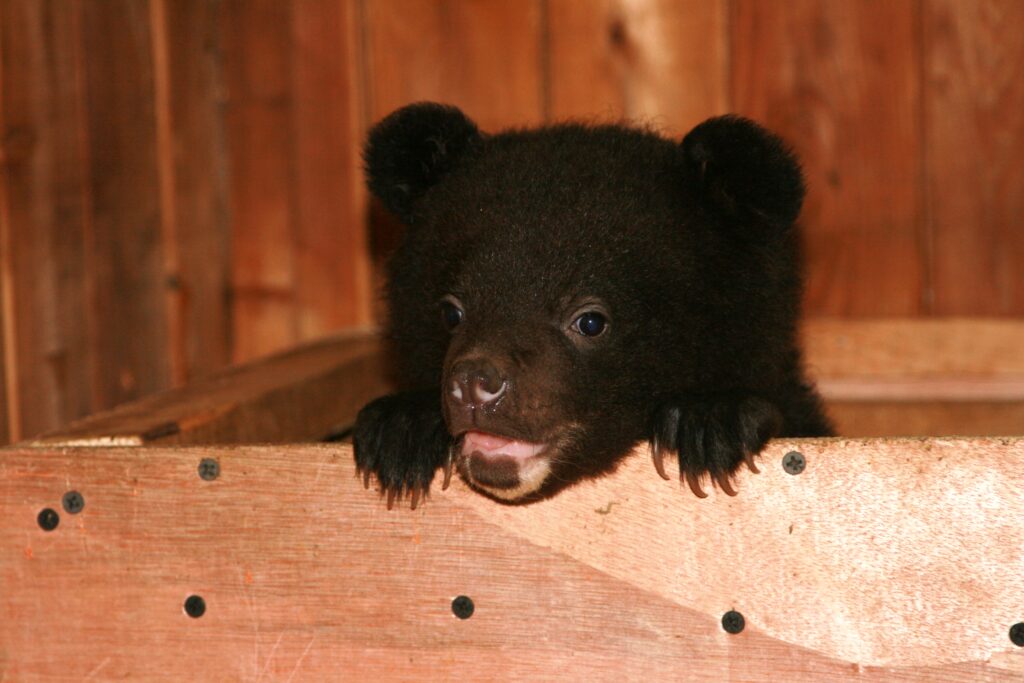
Reasons for keeping bears To unveil the motivations behind and actors involved in this phenomenon PPNEA (financially supported by Bears in Mind) undertook a quantitative survey with visitors of premises that hold bears in captivity and qualitative group interviews in rural areas that are known as hotspots of bears’ capture and trade. The results indicated that the motivation of the local rural population in capturing and selling bears is mainly economic (bear cubs sell for amounts between 250 – 600 EUR / individual). However the captures are done randomly or when the chance is given and that regular hunting / trapping for this sole purpose seems to be non-exitent. This suggests that this activity is not a major source of income for locals and captured brown bear cubs seem to be a side phenomenon that reflects the general problems of hunting management and law enforcement in the country. On the other hand, a more problematic issue is that there is a general interest to visit places where bears are exposed and the figures are frightening. Only 20% of respondents declared that they do not have any interest to visit a restaurant / cafe because of the bear presence. In addition there also exists a misconception among the population that the captive bears are a touristic asset for the country. The data shows that almost 70% of respondents believe that the bears in captivity attract tourists; this is a much higher figure if compared to 45% of those who believe that the bear in nature attract more tourists.
There is also a low awareness level among visitors in respect to the illegality of capturing / keeping bears in captivity and protection status of the animal. Only 35% of respondents were aware of some vague legal protection status. These misconceptions about captive bears are major drivers that help such illegal business to operate. Furthermore the attitudes of the public are hostile in terms of undertaking any action to stop the illegal practise of maintaining captive bears in restaurants: 54% of interviewed persons where against the elimination and 64% of them will do nothing to solve the problem.
The low level of awareness among the general public in Albania is holding back potential solutions to the bear issues in Albania. Therefore the gap in knowledge should be filled by an effectively organized public-awareness campaign and social mobilization should follow up to try to stop the influx of captive bears in restaurants which subsequently will improve the situation for the wild population.
Future It is unclear what will happen to the many captive bears in Albania in the near future. Bears in Mind and her partners keep pushing the government to act and start developing a sanctuary to accommodate all the bears, but until now these attempts have proven unsuccessful. Once new developments will arise, it will be published on our website. Over the past years, many captive bears have been relocated to sanctuaries and zoos outside of Albania, by a number of NGOs. This does not solve the problem and the government has to step up and take responsibility.
Update 2022 Over the past ten years, all captive bears used for entertainment (like the restaurant bears) have been relocated to foreign sanctuaries and zoos. Longterm plans by the Albanian government to set up their own bear sanctuary and take responsibility for their captive bear problem, failed.
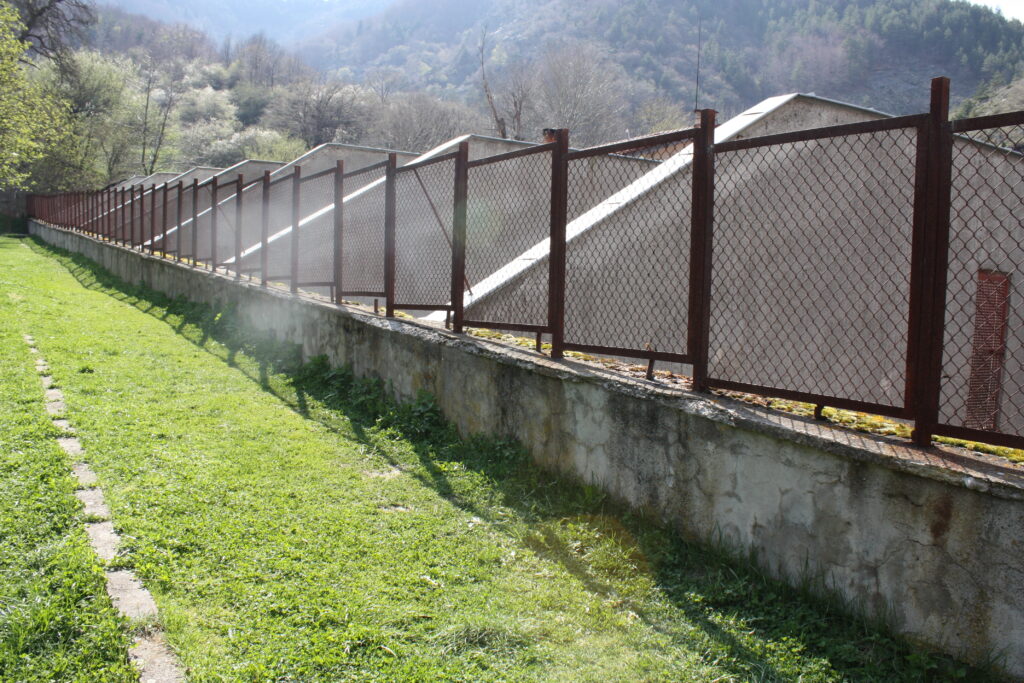
When bears received a protected status in 1993 and could no longer be hunted, the bears in Kormisosh did not have a ‘purpose’ anymore. They received no care and were ‘forgotten’ and left to die a miserable death. Since the mid 90s, the situation indeed only got worse and the bears that still lived in the former hunting station were literally rotting away.
Bears in Mind and her Bulgarian partner Balkani Wilidlife Society (BWS) worked closely with the responsible Bulgarian government to end this horrible suffering once and for all. The first priority was to give these bears basic medical care and to make sure they received proper food on a daily basis. In addition, a number of animal keepers were trained to take care of the bears. In close cooperation with the Bulgarian government and local NGOs, Bears in Mind found suitable, permanent homes for all the 14 remaining bears from Kormisosh. In May 2015 the two last bears – Keta and Mincho – were relocated to the Bear Forest in Rhenen. Kormisosh is no more!
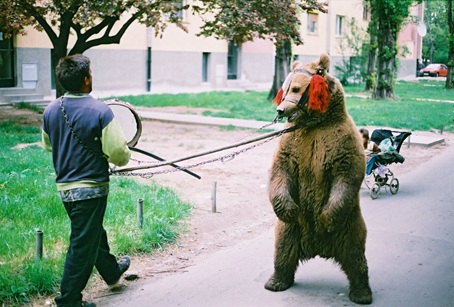
Dancing bears were still performing on the streets of Serbia back in 1999 / 2000. Serbian ngo ARKA worked with the Ministry to end this practice and they confiscated six bears.
A seventh bear, a 3-legged named Elvis, was later rescued. All these bears stayed in a temporary shelter in a small town called Banostor. The government promised to built a permanent bear sanctuary for these bears, but never did. With the help of several foreign ngo’s (Bears in Mind amongst them) ARKA managed to care for these bears.
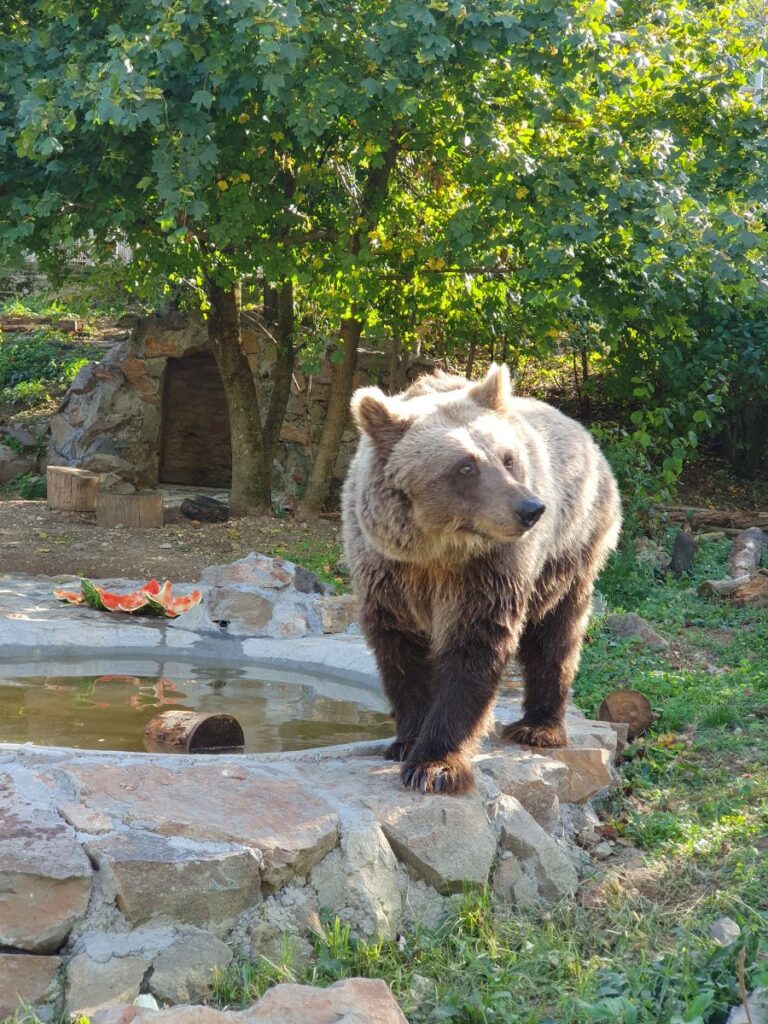
Throughout the years, Bears in Mind helped ARKA with food for the bears, renovations of the enclosures and donated transport crates. The remaining four (2016) bears are doing well. ARKA aims to gradually expand the sanctuary in order to provide shelter to more bears and other wildlife in need. The sanctuary will also include a visitor centre in the future.
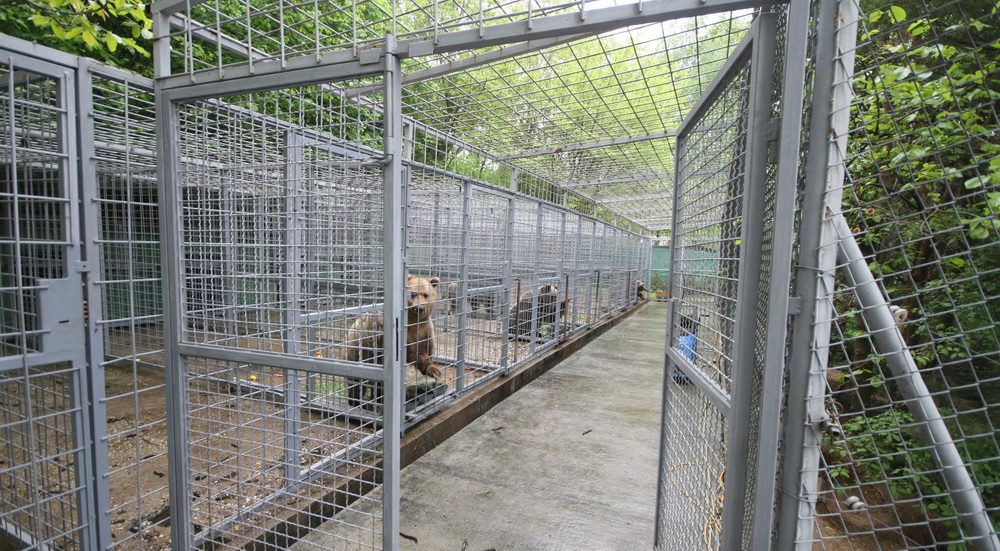
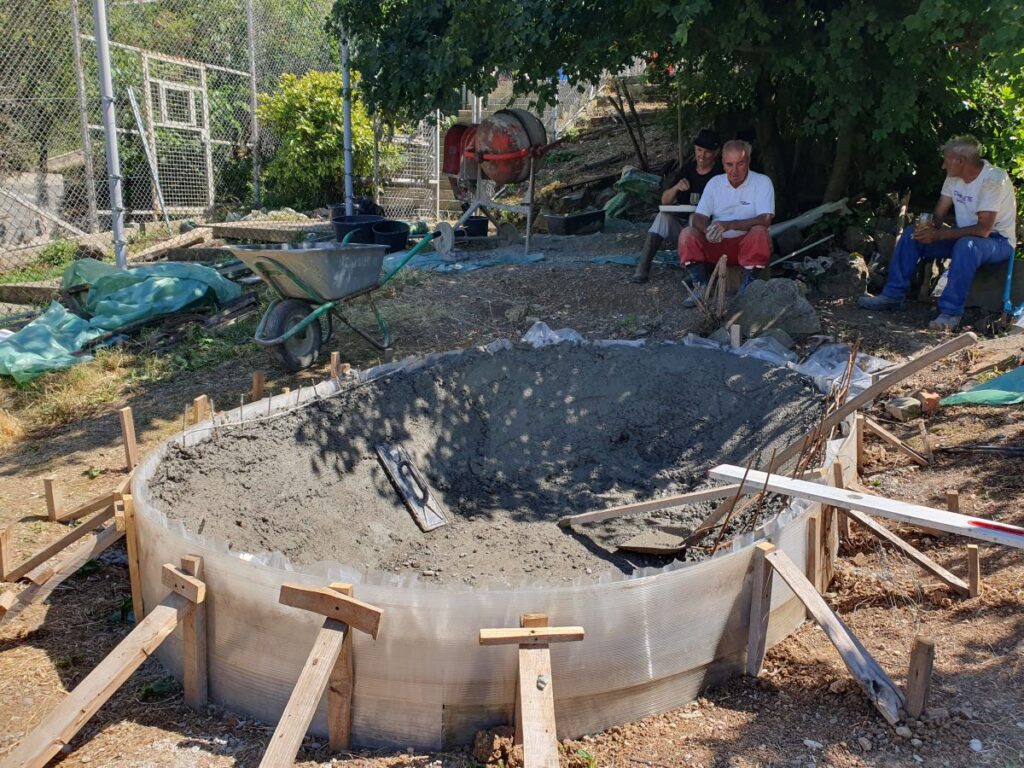
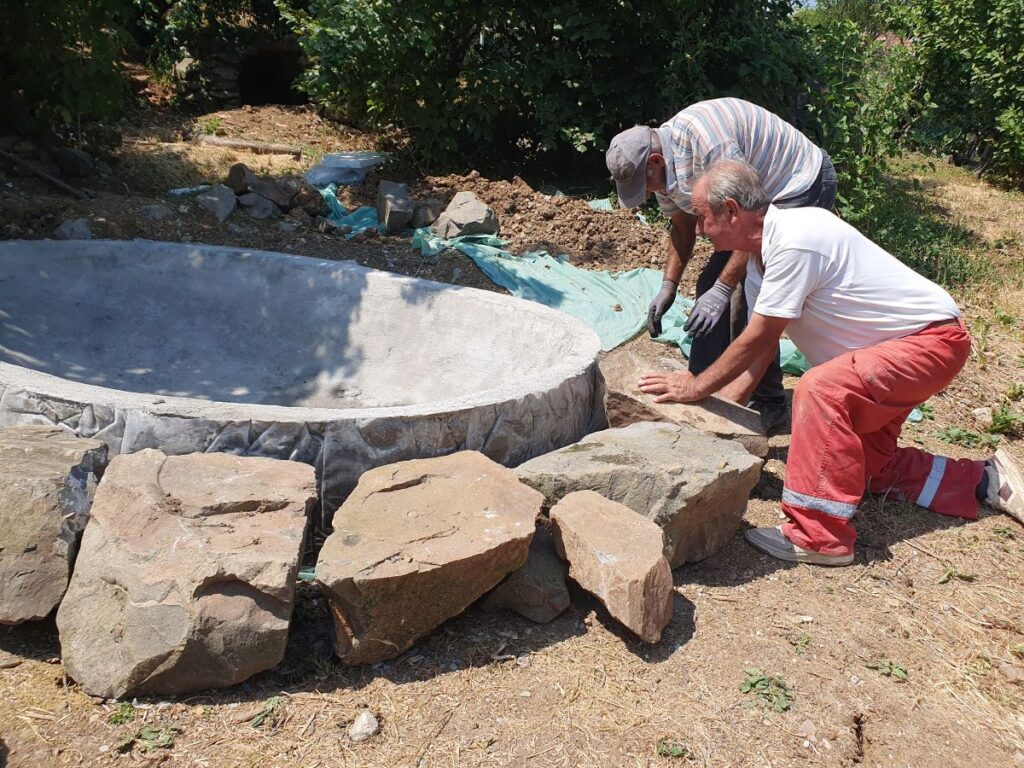
In 2019 we provided necessary funds to install sliding doors in order to connect the different enclosures, the roof of the indoor enclosures was replaced as well. The outdoor enclosure of the bears was expanded and an extra pond was created, so the bears could enjoy the outdoors much more!
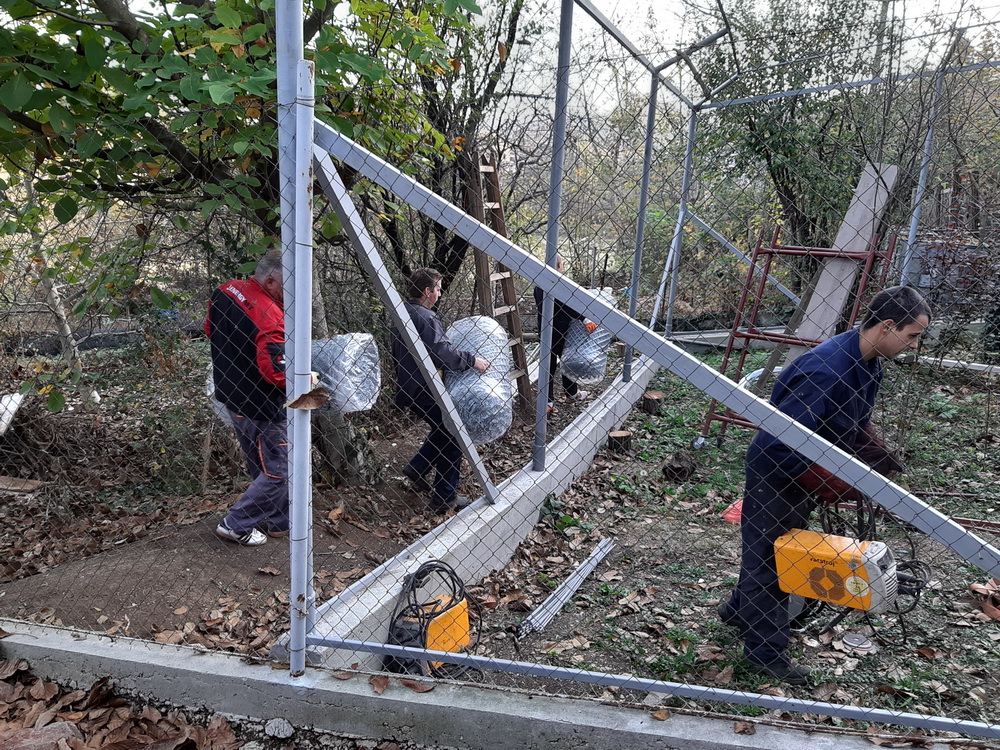
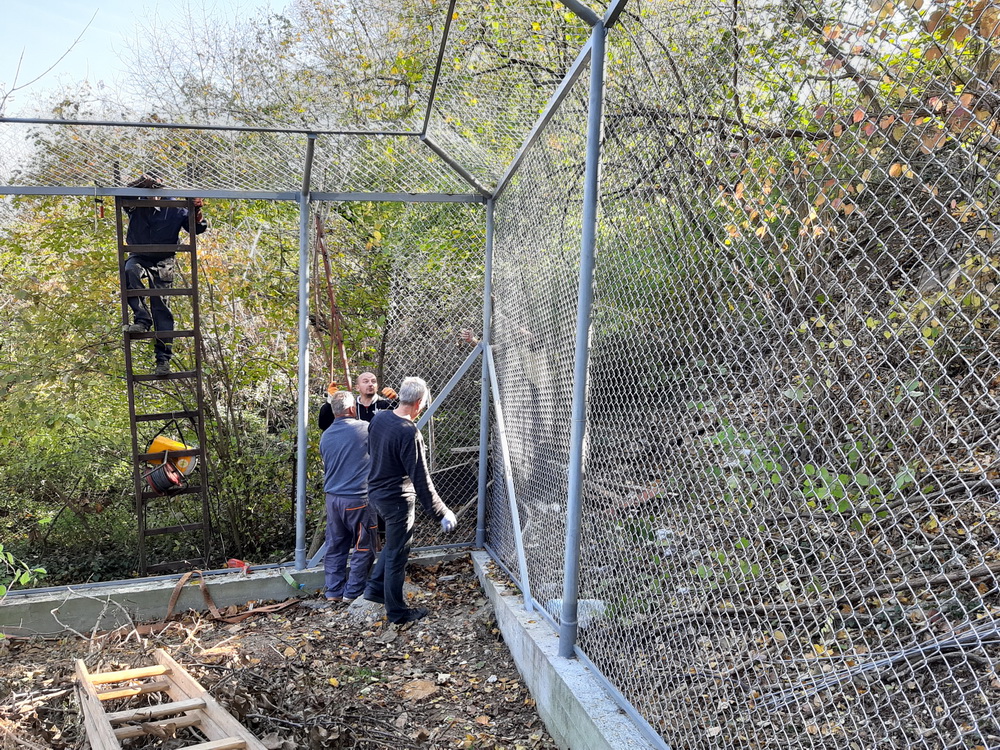
In 2025, we financially supported ARKA with some urgent renovation and repair works, following damage to the fencing system caused by a severe storm in 2024. Also a new pool was created!
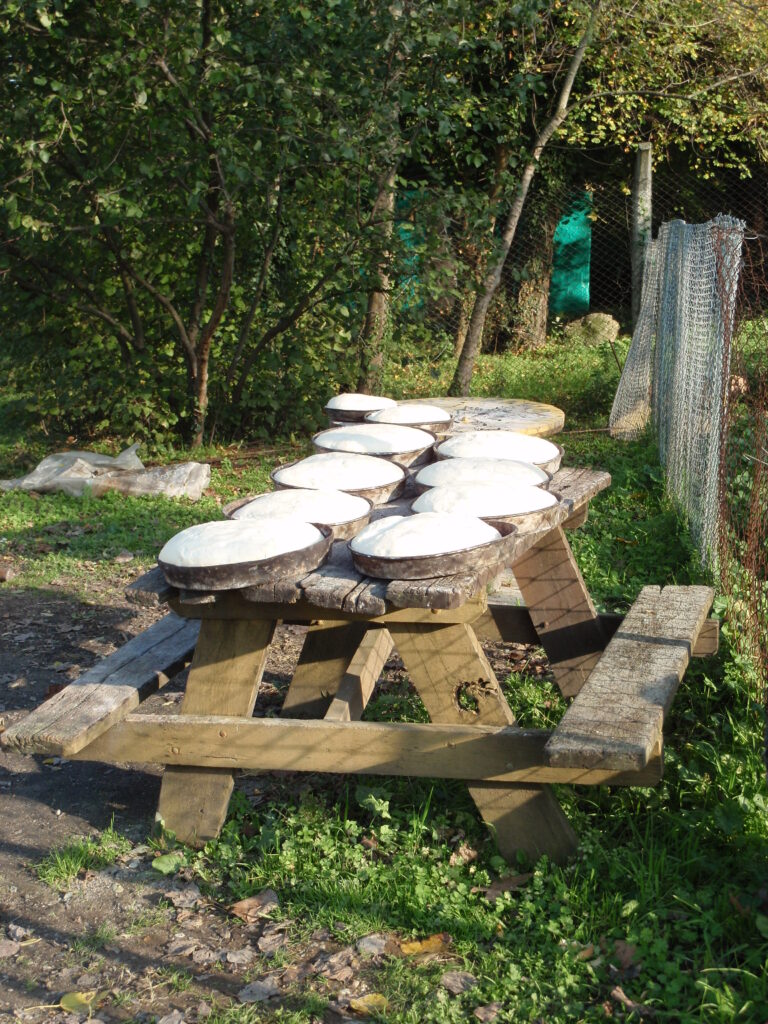
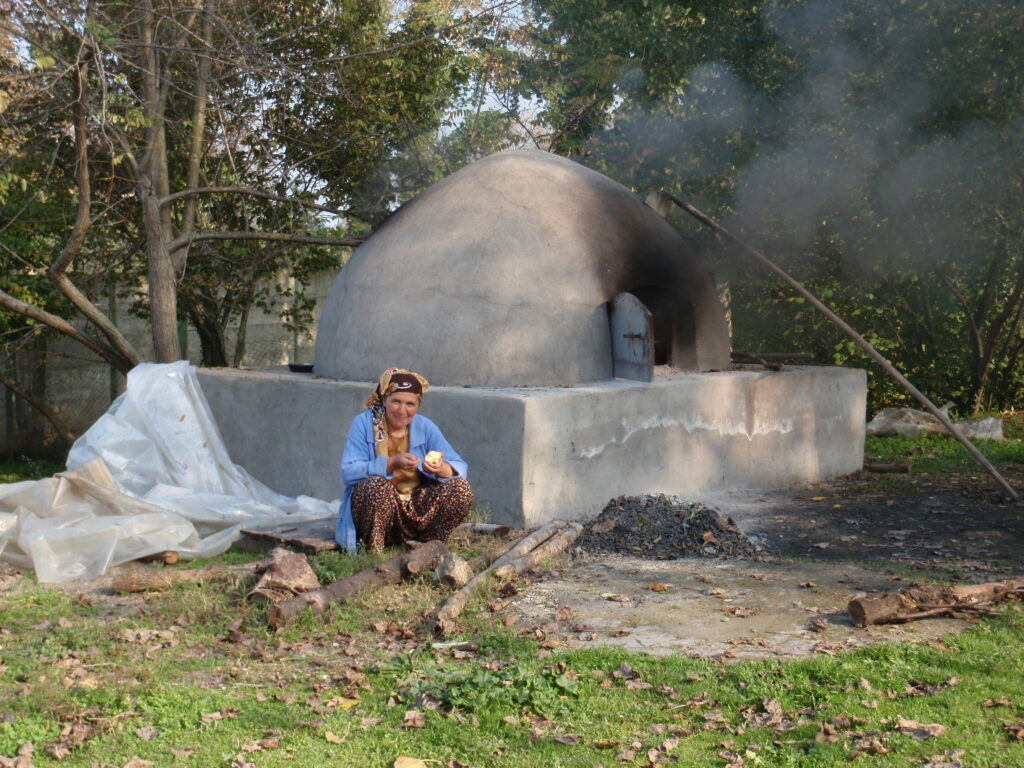
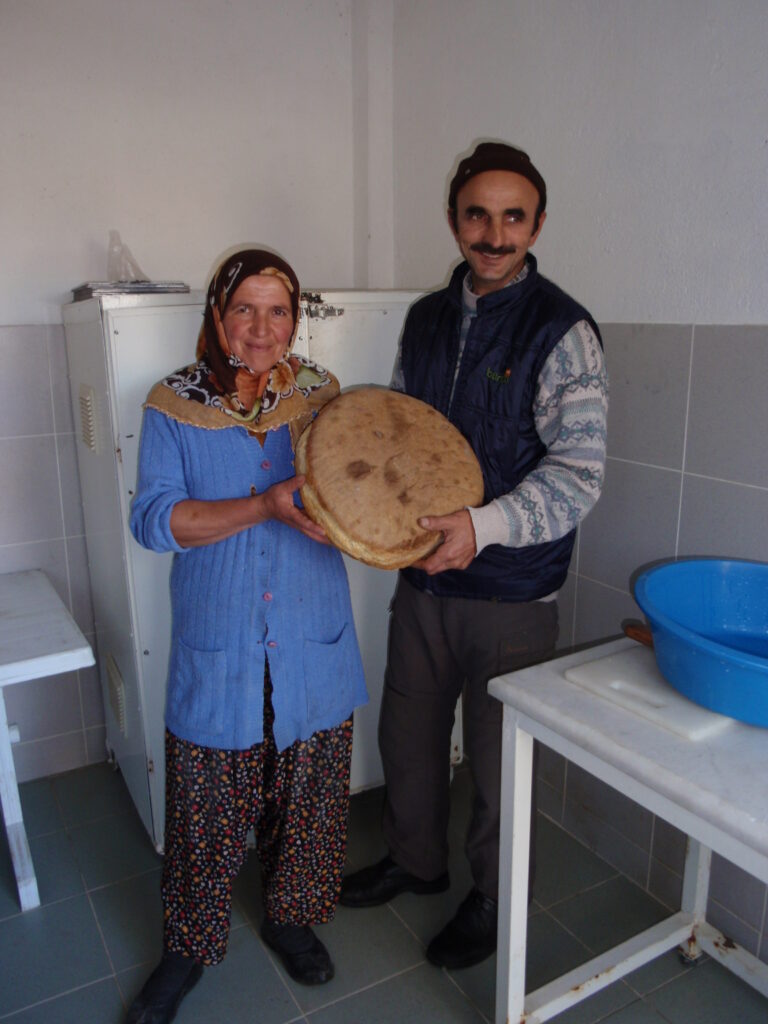
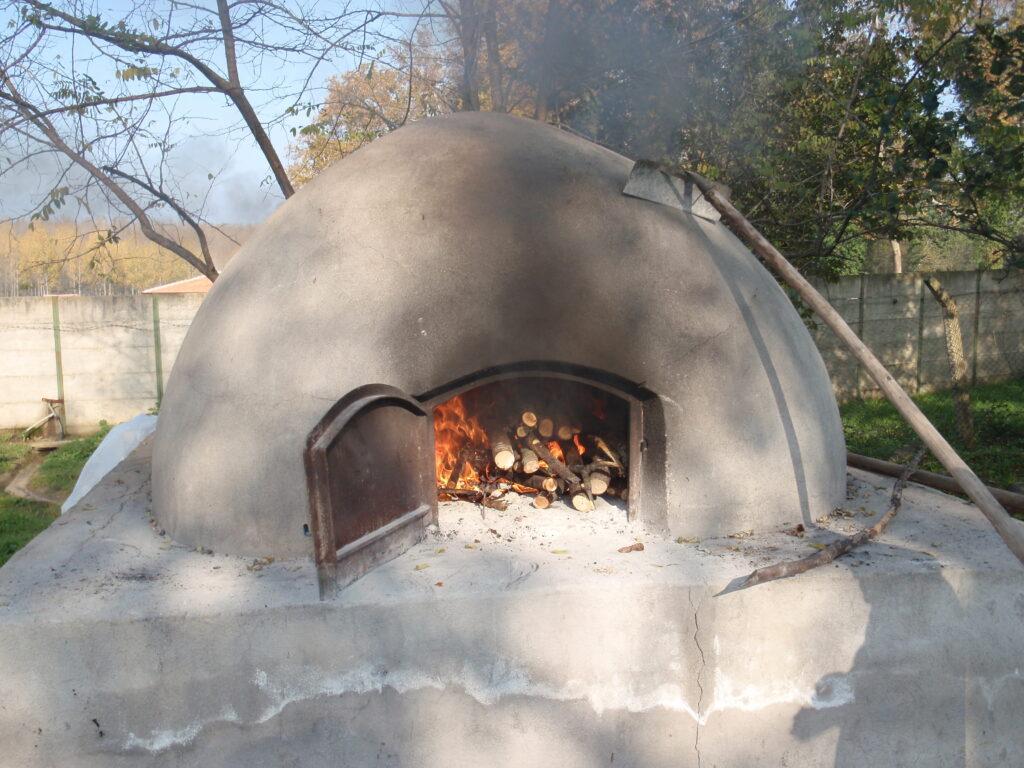
Bears in Turkey face many problems. Their habitat is under constant pressure, not only because of human population increase and the ever growing infrastructure projects, but also because of political unrest. To give an example, in 2010 Karacabey Bear sanctuary near Bursa in Turkey received three bear cubs from the east of Turkey. The mother bear had been killed in a bomb explosion. Two local animal keepers are taking care of the bears. The men show incredible devotion in caring for the small cubs, both day and night. It is very important for the local people to see this dedication, as it makes them aware that members of their own community devote their time and efforts to the welfare of animals. By the same token of appreciation, a traditional stone oven was built to bake traditional Turkish bread, not for people but for the bears! Bears in Mind funded the building of the stone oven in 2011.
It is the goal to develop an educational visitor centre at Karacabey Bear sanctuary, where people can learn everything about bears and the problems they face in the region. A veterinary facility will form part of this centre. This is urgently required as until now staff of ‘Second Chance’ (the NGO involved in the management, who are trained veterinarians) have been using the table in the tiny kitchen to carry out surgery on bears. Bears require these medical facilities because they are frequently wounded by hunters or poachers, or because of dental problems resulting from bad nutrition. Bears in Mind will help and give advice to Second Chance on bear husbandry and education activities whenever and wherever possible!
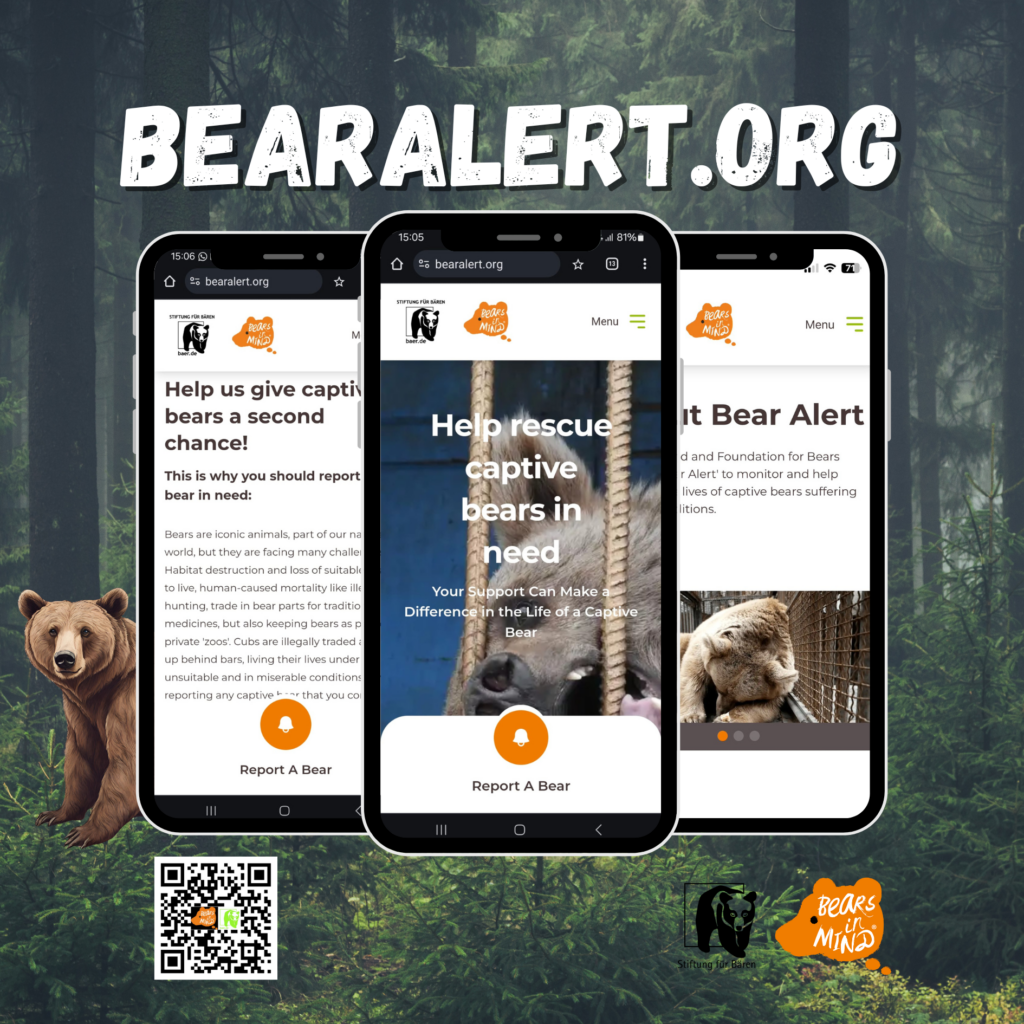
Bear Alert is developed by the coalition of Bears in Mind and Foundation for Bears to keep track of the many captive bears, often living under horrible conditions, in order to help as many individuals as possible. Over time, Bears in Mind and Foundation for Bears have gathered information on more than 800 of these bears. Some of them have already been rescued from their miserable existence and brought to a sanctuary or zoo where proper care and space could be offered. Other bears unfortunately died before we could we do anything. And some of them still await a better life…
The individual reports about bears will be processed into a database. Short term solutions will be considered next. In most cases the foundation’s staff will consult with their local partner NGO and / or with the owner of the animal to give advise on husbandry, food and water. Simple enrichment methods for the cages are used such as leafy tree branches or a play object. These methods are often cheap and easy to create and make the life of the bear somewhat more pleasant. In other cases, if legally possible, bears will be confiscated and relocated to a better facility.
The coalition launched Bear Alert as a new platform in 2024. More easy to use on a smartphone, with more and better direct sharing possibilities, so we can help these captive bears in a more efficient way.
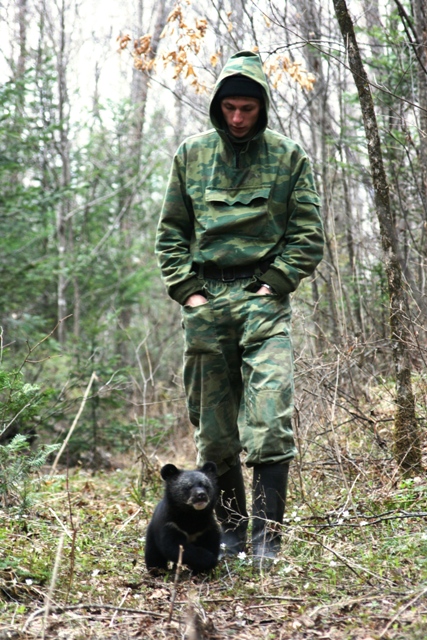
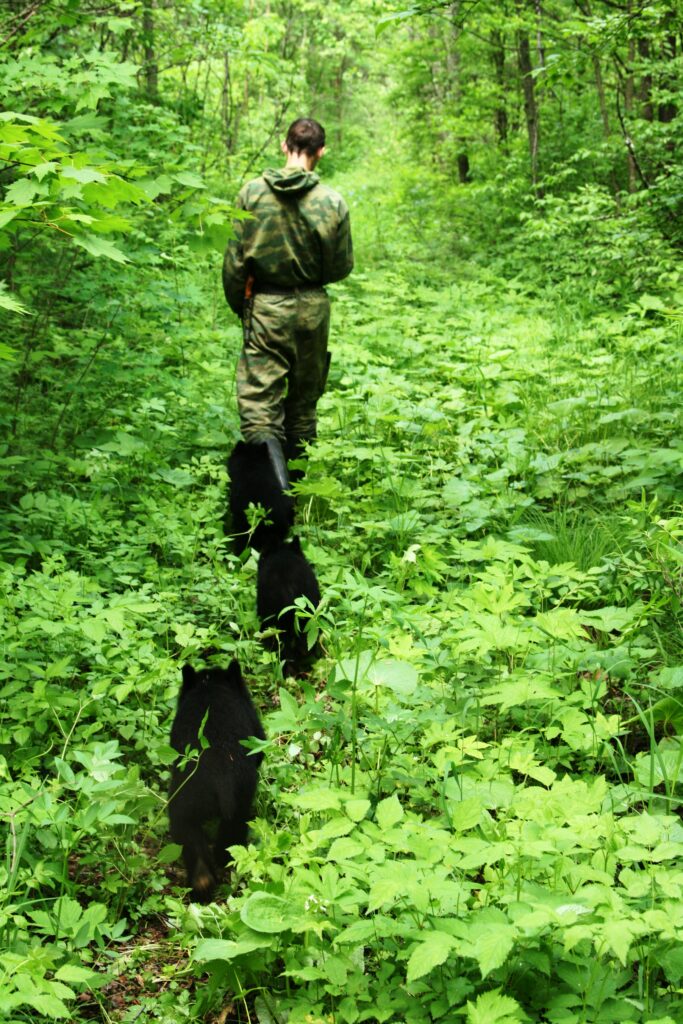
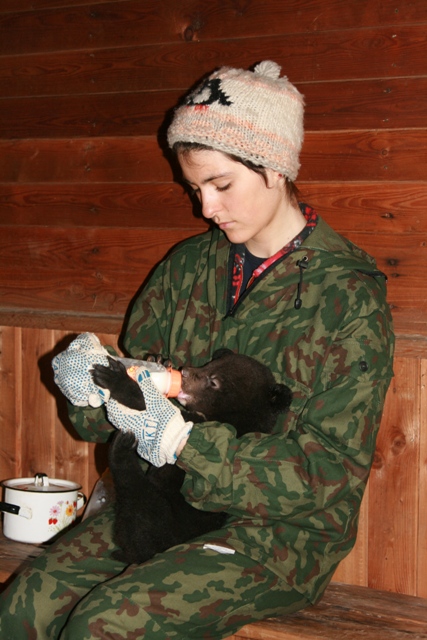
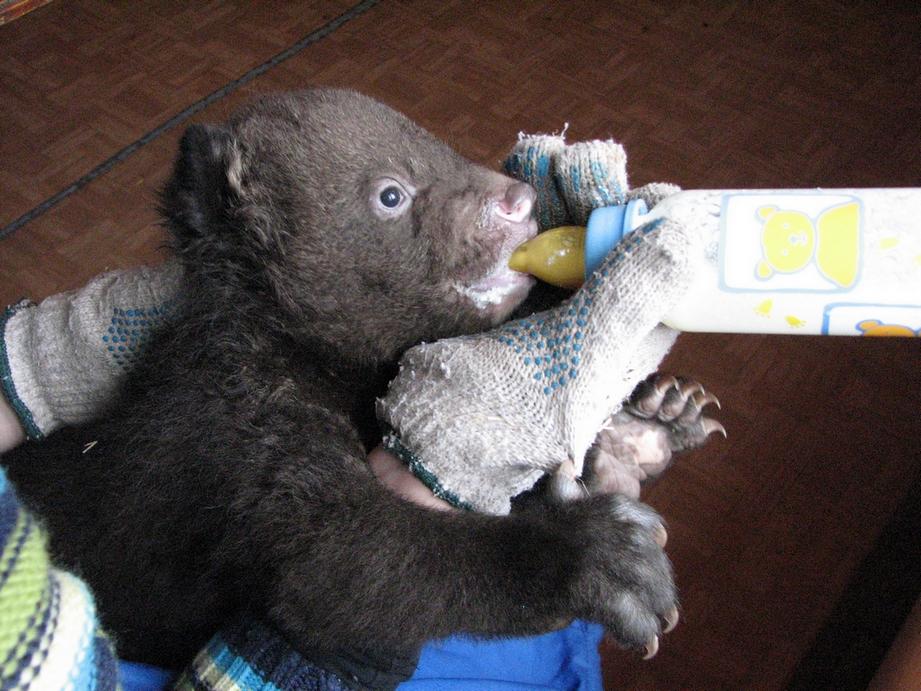
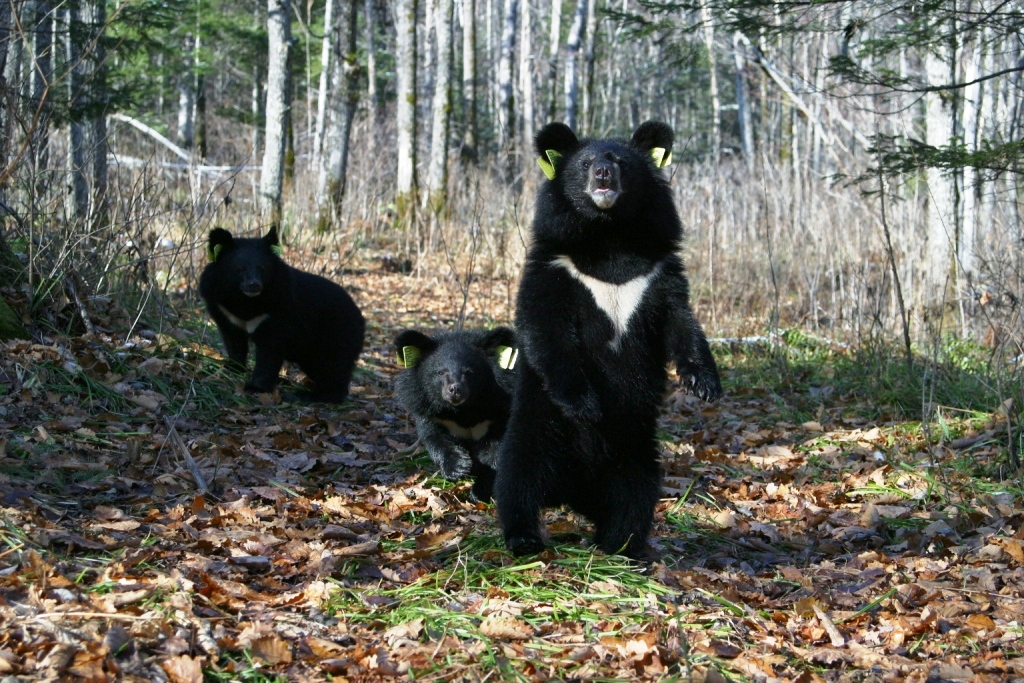
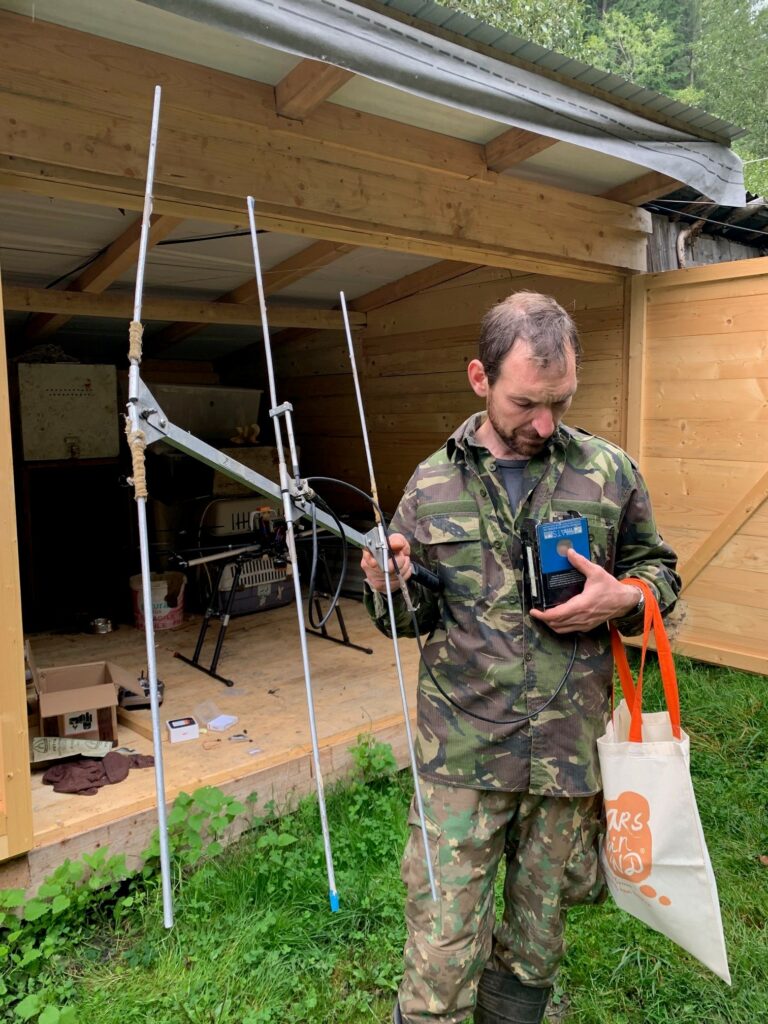
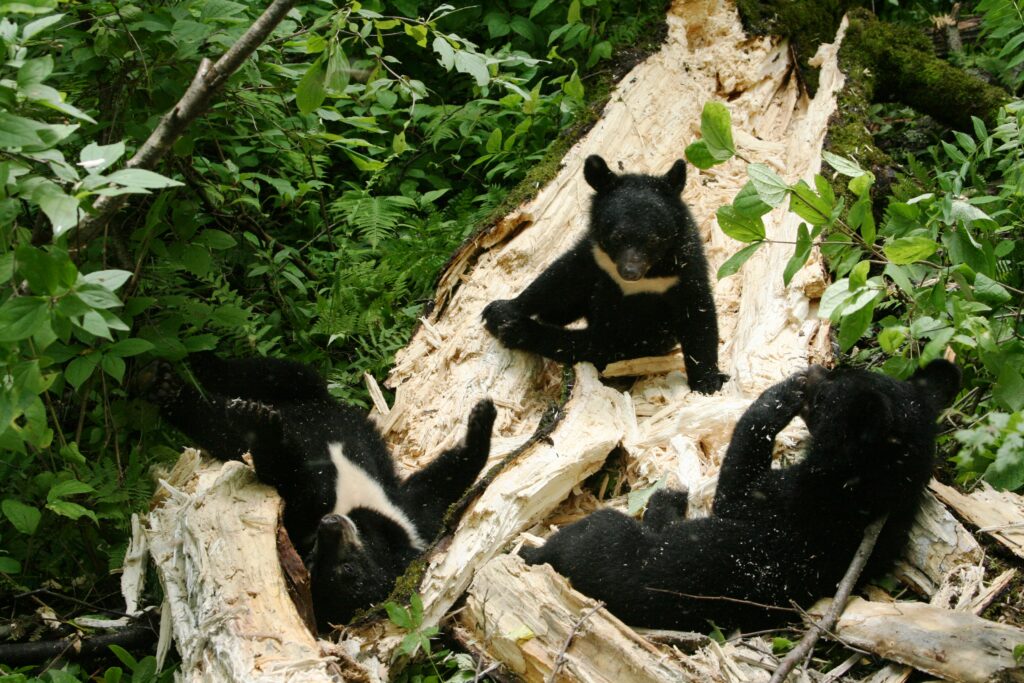
In the spring of 2009, three orphaned Asiatic black bears were taken to a small animal sanctuary in Far East Russia. The bears, one female and her two brothers, have been part of an intensive rehabilitation programme between 2009 and 2011. They were prepared for a life in the wild. During this period the three bears have been ‘guided’ around the woods by two researchers. During these sessions, the guides were wearing camouflage clothing and they did not speak. By means of photographs, sound and image recordings, the researchers have been able to follow the development of the bears in detail.
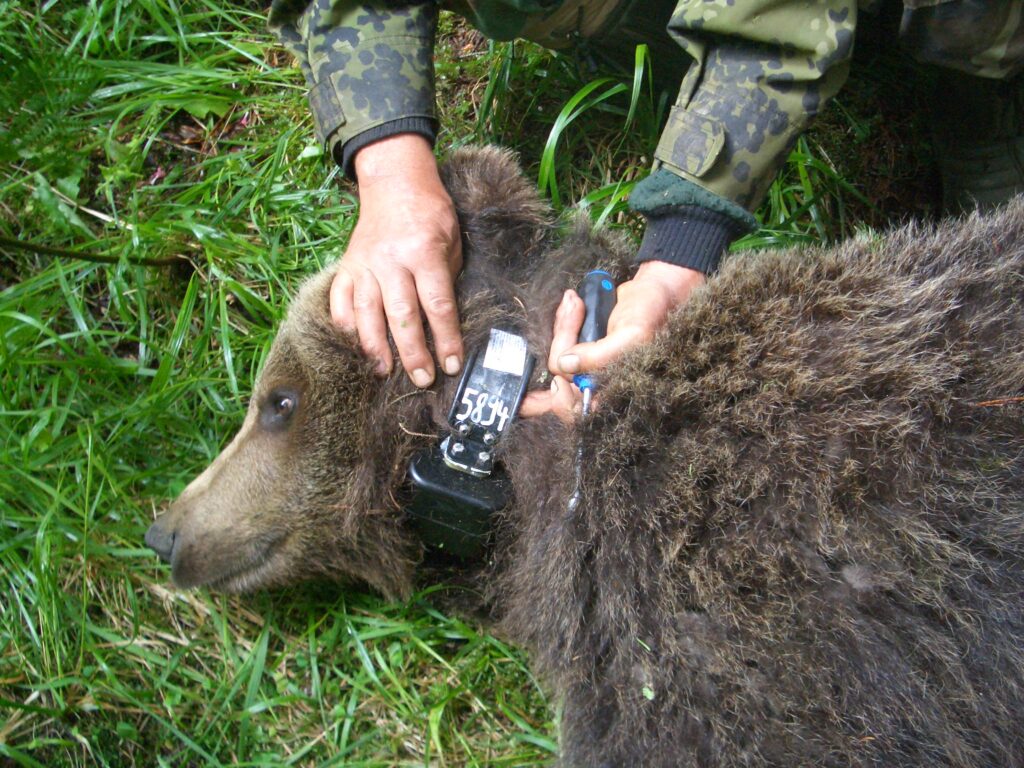
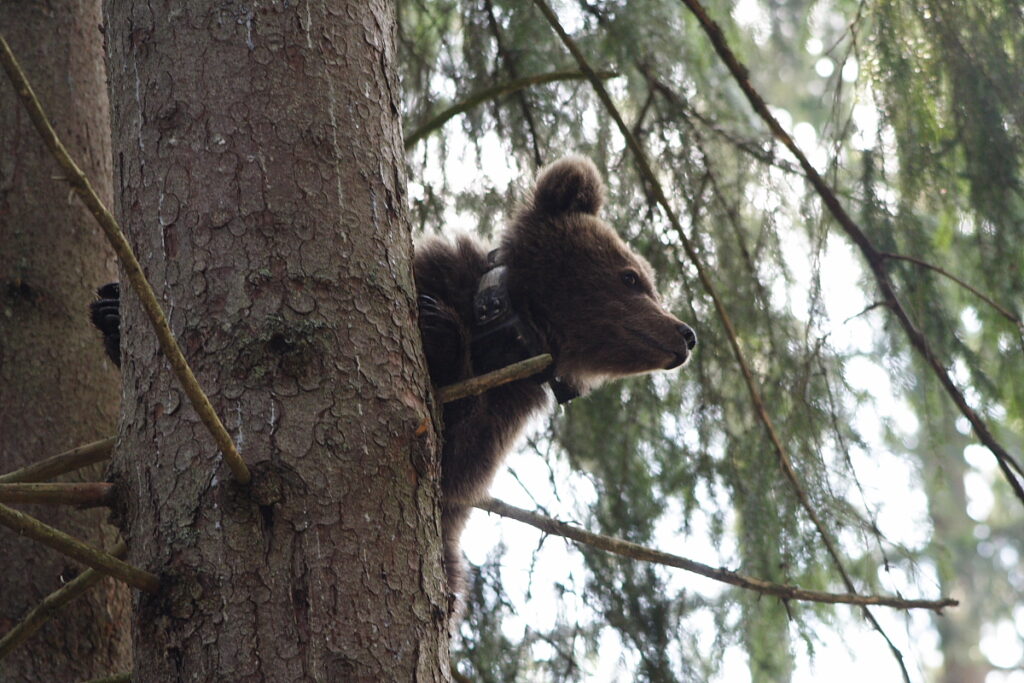
In 2010, the bears were released into the wild. Just before their release, the two males weighed between 20 and 23 kilos, while the female weighed around 8 kilos. All three bears are wearing radiocollars with a transmitter, enabling the researchers to keep track on the bears. In the forest, a chance meeting with a Siberian tiger or an adult bear is very likely.In the time since their release, the bear were followed closely and did well. After two years, the collars automatically fell off.
The project has proven to be a great success and a lot of vital information about adolescent rehabilitated bears has been gathered and shared.
There is much discussion about whether rehabilitated bears are likely to become problem bears. Therefore, data collected in this project is of paramount importance to this discussion. Of course we would prefer to be able to release orphaned bears in the wild again, rather than putting them in captivity for the rest of their lives. However, we must be absolutely certain that the rehabilitation process has no negative impact on their natural behaviour, increasing the chances of the released bear becoming a ‘problem bear’.
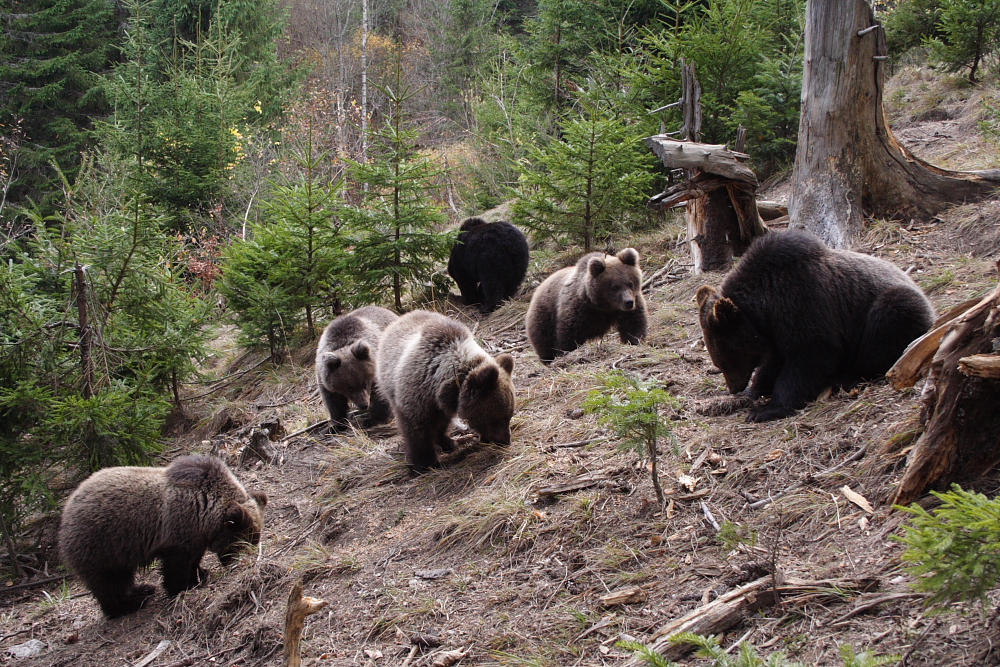
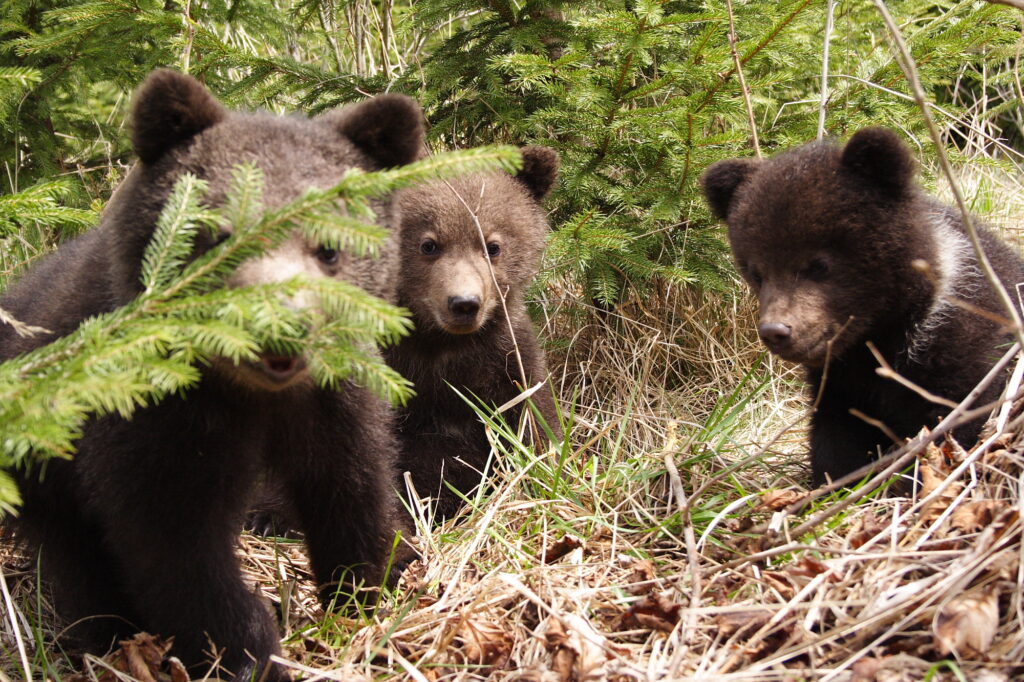
Between 2008 and 2013, a total of 19 bears have been equipped with GPS/GSM collars in order to assess the suitability of rehabilitated bears for reintroduction in the natural habitats. Ten of these bears were reared in the Romanian Rehabilitation Center (developed by Bear Again) and nine were wild caught individuals of two behavior categories: (1) wild behaving juveniles and (2) individuals with different degrees of habituation to anthropogenic food sources. The project revealed and proved that reintroduction of the rehabilitated bears into the wild is successful and without any threatening impact on the wild population. The survival rate of the rehabilitated tracked bears was around 50% (it is 55% considering all the rehabilitated bears). This is according with the survival rate of juvenile wild bears in the literature. One of the most important regulating factors can be considered the infanticide killing by adult male bears. An important threat is poaching.
Monitoring the bears and collar results is still ongoing.
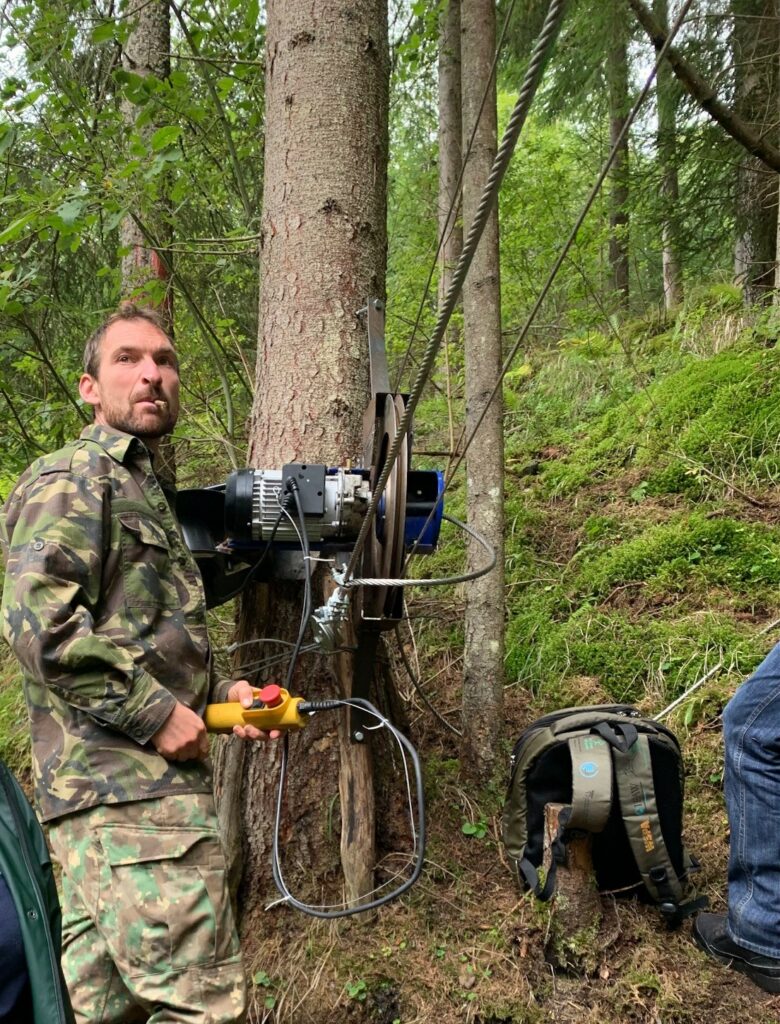
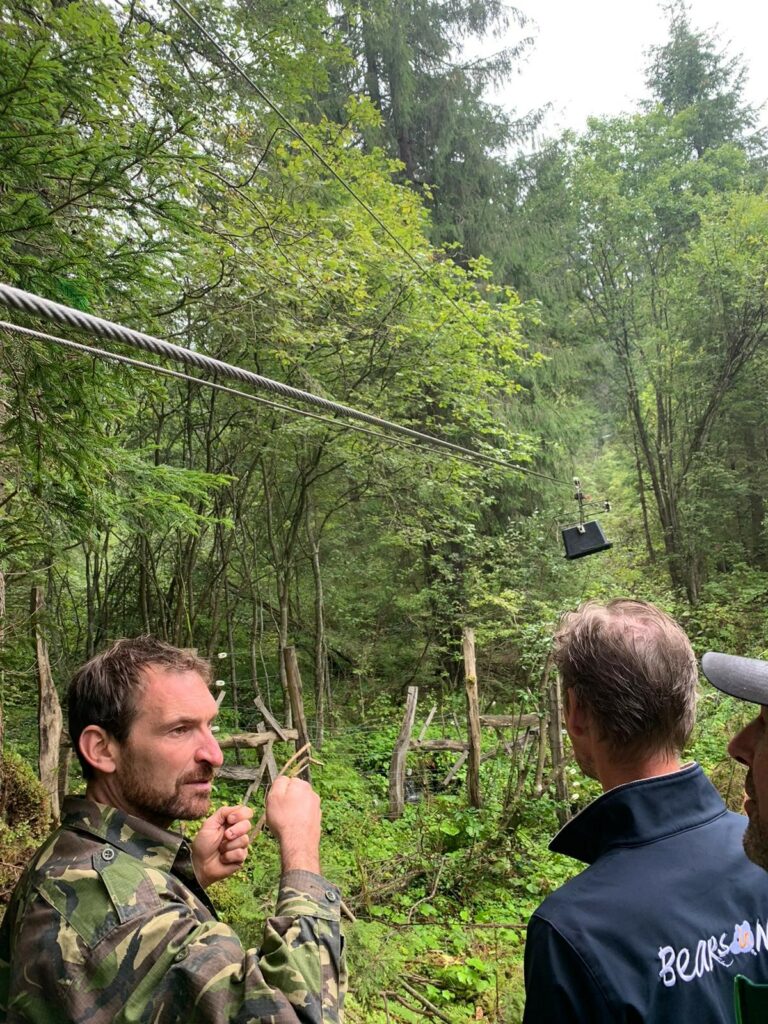
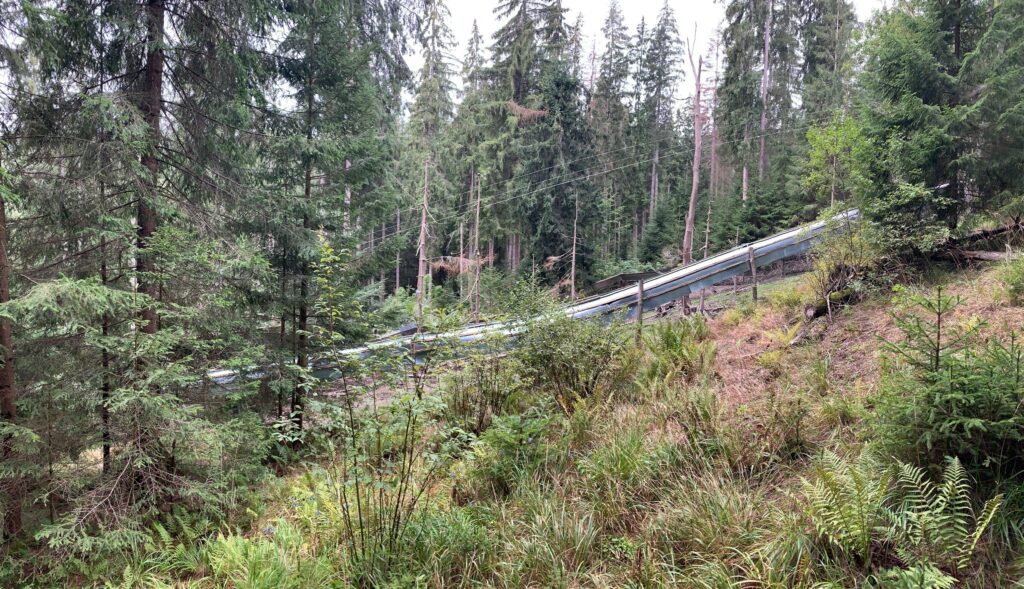
2020 onwards One of the basics of the rehabilitation technique is keeping the cubs in a system of several enclosures that offer 100% natural habitat. In this environment, the bears can develop their inborn instincts during a 1 – 1,5 years of rehab period. The facilities are surrounded by electrical fences. The electrical fence on one hand keeps the young bears inside the facilities and keeps intruder adult male bears or other predators out. The main aim of the support offered by Bears in Mind to this project has been directed towards improvement of the total electrical system of the Rehab Centre in order to keep the cubs safe, improve data communication and decrease the risk of depredation by males from outside. Next to that, the development of several remote cableway feeding systems have been sponsored. This allows the team from Bear Again to get the food to the bear cubs without being noticed. This way, these bears won’t associate food with people, an important lession for their future!
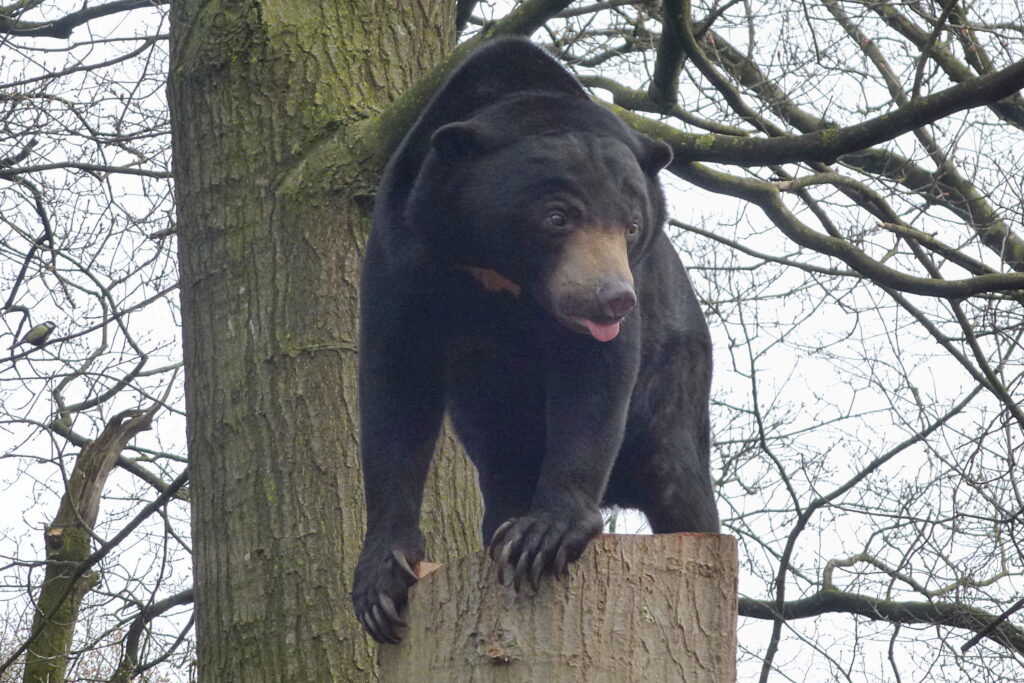
Wild Polar bears and Sun bears live in parts of the world where living conditions can be considered extreme. Polar bears lives in Northern Arctic regions, where temperatures are often well below zero Celsius for the majority of the year. The Sun bear lives in tropical Southeast Asia with average temperatures of around 28 degrees above zero and almost 100% humidity. Both bear species are threatened in the wild by climate change and destruction of their habitat.
Polar bears and Sun bears are kept in many zoos around the world. Bears in captivity are exposed to different outside temperatures than they are ‘build for’ and used to all year round in the wild. In captivity, the upper temperature limit of Polar bears and the lower temperature limit of Sun bears are often exceeded. Until now, the effects of this on the species’ metabolisms have hardly been investigated.
This study by the University of Köln, funded by Bears in Mind between 2010-2012, looked into which behavioural and autonomic mechanisms for thermoregulation are available for the respective species, to examine to which degree behavioural regulation complement physiological mechanisms to minimise energy expenditure, and to determine the range of the thermoneutral zone for the respective species. The study took place in several European zoos during summer and winter conditions.
We use cookies to ensure that we give you the best experience on our website. If you continue to use this site we will assume that you are happy with it.