Home > Education & Awareness

The Andean bear or Jucumari (Tremarctos ornatus), the only bear species in South America, is classified as Vulnerable (VU) by the IUCN. As a flagship species of the tropical Andes, it inhabits cloud forests and highland grasslands that are essential for water regulation and climate stability. Yet in Bolivia, habitat loss and human–wildlife conflict increasingly threaten its survival.

Despite its ecological importance, up-to-date and systematic information on the Jucumari’s distribution and ecology remains limited. In the department of Santa Cruz, the most recent published study dates back 27 years and was conducted near Amboró National Park. This substantial knowledge gap underscores the urgent need to generate updated data to guide effective conservation strategies.

The project by Fundación para el Desarrollo de la Ecología FUNDECO/ Programa de Conservación JUKUMARI will assess the presence and distribution of the Andean bear in the municipalities of Mairana, Samaipata, and Comarapa. Through participatory monitoring, trained local residents will document signs of bear presence and identify key threats, particularly conflicts related to livestock.

In parallel, the initiative will implement environmental outreach and awareness activities across the region, including community talks, educational materials, and local engagement events. These actions aim to strengthen understanding of the species’ ecological importance, reduce conflict, and foster a culture of coexistence.

By integrating scientific research, participatory monitoring, and environmental education, this project will generate updated evidence, empower local communities, and reinforce the Jucumari’s role as a key indicator of ecosystem health in the tropical Andes.

Bears in Mind financially supports this project since 2026.

Diets are an important component of a specie’s ecology and functioning, offering insight to their role in the ecosystem, potential competition with other species, and other important biological parameters including niche breadth, trophic specialization, food selection etc. While a number of research articles are available on dietary composition of large carnivores, there is a scarceness of information on the dietary preference of the elusive Sun bear in the changing landscapes of Southeast Asia.

Sun bears with varied home ranges and highly diverse dietary choices, demonstrate significant adaptations and survival superiority even in degraded landscapes. However, with their shrinking home range sizes and demands for high-caloric food, which often drive them outside of protected areas, the risk of human threats has increased many folds for this little-known species. The increase in human footprints and anthropogenic activities both inside and outside protected areas has made it critical to understand how Sun bears use the landscapes across space and time, where and why they occur most, and knowing what food resources they depend upon to help facilitate coexistence and develop practically efficient conservation plans by protected areas managers.

The project aims to understand the flexibility in diet of Sun bears and develop a community-based conservation model for coexistence of bear and humans in the landscape. The defined objectives include;

  • Determine the dietary pattern of Sun bears with respect to agricultural practices,
  • Develop a risk probability map of human-sun bear conflict in and around Dampa Tiger Reserve based on occupancy and distribution,
  • Understand the community concerns and experiences regarding conflict with sun bears including the nuanced context in which conflict occurs,
  • Develop a community-based conservation model for best management practices including spatially-explicit diversionary feeding strategies, and share with communities through outreach workshops.

Sloth bears (Melursus ursinus) rely on dens for reproduction, cub-rearing and shelter. Yet their denning ecology remains poorly studied, particularly in Gujarat – India. This new project by the WCB Research Lab and funded by Bears in Mind since 2025, aims to investigate sloth bear den site selection in northern Gujarat, encompassing both protected areas Jessore and Balaram-Ambaji Wildlife Sanctuaries (WLS) and human-disturbed forests (Polo Forest and surrounding areas of sanctuaries).

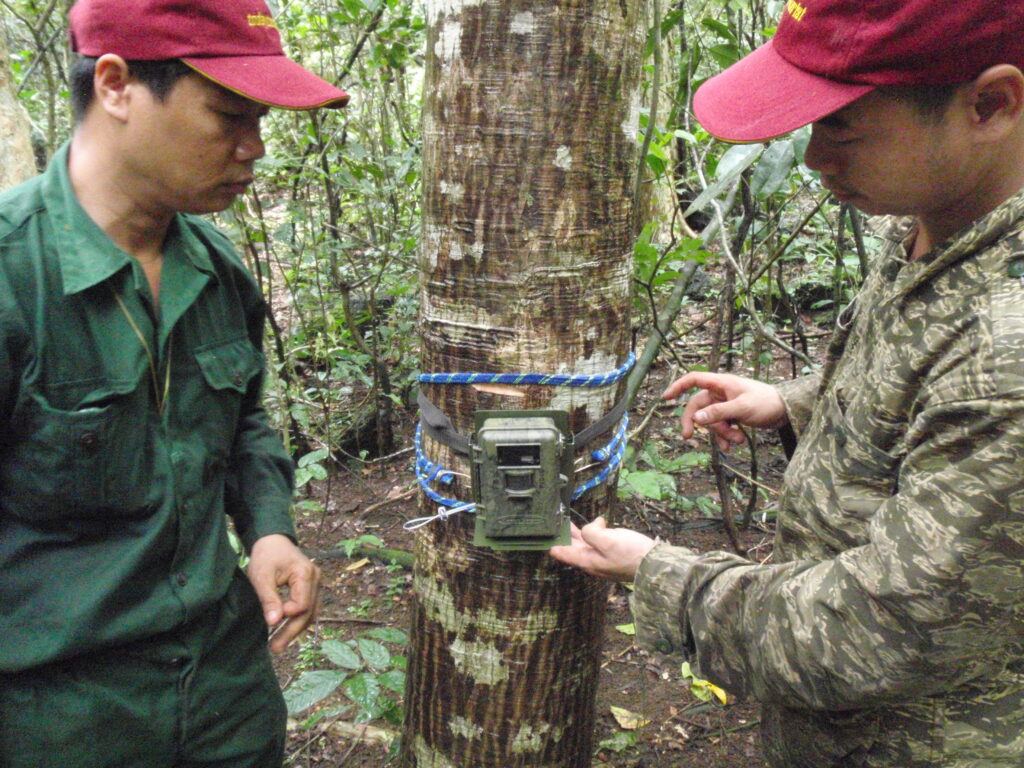
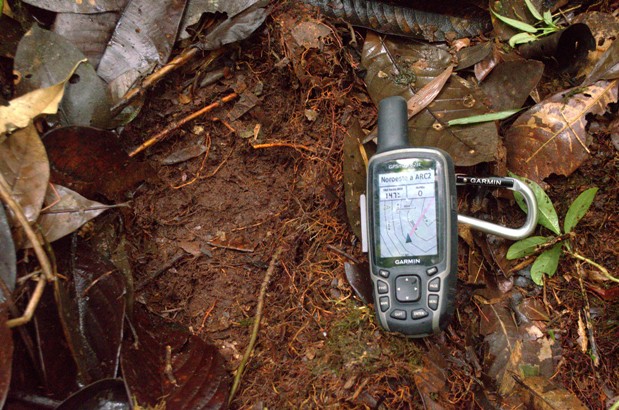
By examining habitat characteristics, terrain features, and human disturbances, this study will identify key factors influencing den selection. Data collection will include field surveys, sign identification and camera trapping to confirm den usage. Environmental parameters such as slope, aspect, vegetation type, and forest cover will be recorded, along with spatial proximity to water sources, roads, and settlements. Mapping and statistical analyses, including Generalized Linear Mixed Models (GLMM), will be used to evaluate habitat suitability.

The findings will contribute to conservation planning by identifying critical denning habitats and assessing risks posed by human activities. This research will provide science-based recommendations for habitat management and conflict mitigation, supporting long-term conservation efforts for sloth bears in Gujarat.

Andean bear conservation can be strengthened by transmitting ecological knowledge that challenges
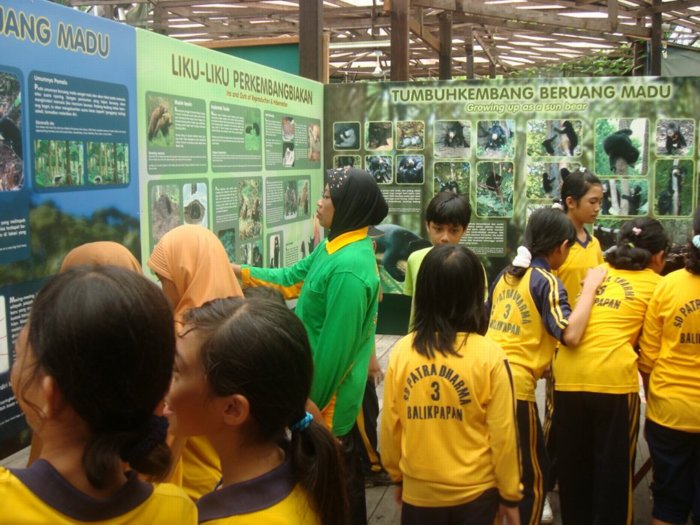
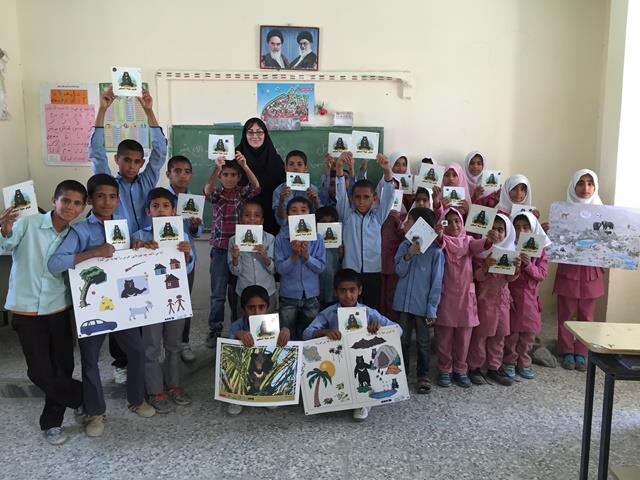
preconceived negative, and often baseless or misleading notions about the bears. In rural communities children are key actors to receive and share this knowledge. They can bring home new perceptions about Andean bears and influence their families to change their negative, if present, attitudes towards bears. These perceptions are presented and developed in an educational space in rural schools where the Andean bear becomes the main study subject for a group of children. They can learn most of the bear’s nature through creative and playful activities based on records and ecological data obtained in their local area.

This project by Fundacion Humedales, supported by Bears in Mind since 2024, aims to implement Andean Bear schools in four communities close to Mamapacha mountain range, a protected area important for bear conservation in the Eastern Cordillera of Colombia. As in other places where people are in close contact with bear populations, coexistence can be conflictive. The main goal of the project is to disseminate actual knowledge about the nature and ecology of the Andean bear to children of Mamapacha rural communities and in doing so to reach the adult population and give new perspectives for them to manage the human-bear conflict.

Board game ‘La Senda del Oso’ (The Bear’s Trail) designed for the children in the schools

Or in Spanish: Subiendo Montañas por el Oso Andino! Is an exciting new multifaceted project aimed at achieving two main goals.

  • The initiative includes the challenge of climbing 12 significant mountains across Ecuador, symbolizing a commitment to conservation efforts.
  • Alongside this, the project will establish the School Park “Getting to know the Andean Bear” in surrounding communities, creating an educational and recreational space dedicated to the Andean Bear.

Additionally, an ‘Environmental Communication program’ will be launched to engage and educate local communities about the importance of conserving the Andean Bear and its high-altitude páramo habitat. Alongside this program, merchandising will be produced to maintain the sustainability of this initiative.

The project will also encourage public participation by inviting individuals to climb the mountains alongside Andean Bear researcher Santiago Molina. Participants will contribute financially and receive a project-branded T-shirt or thermos as part of their contribution.

By combining personal adventure with community-focused conservation education, the project aims to foster a deeper appreciation for wildlife protection and promote sustainable environmental stewardship in the region. Bears in Mind financially supports this adventurous project since 2024.

Across the Western Himalayas, Himalayan Brown Bear (Ursus arctos isabellinus) and Himalayan Black Bears (Ursus thibetanus), live in proximity with people. These people, many of whom are from various indigenous and tribal groups, are primarily either transhumant pastoralist (eg. the Bakerwals and Gaddis) or agriculturalist (primarily horticulturalists cultivating fruit like apples). This proximity of bears with people is increasingly being augmented by climate change which is altering cropping patterns and habitat loss. This is leading to increased negative human-bear interactions which include, but aren’t limited to, increased raiding of crops by bears and depredation of livestock. Most of which is met with retaliatory killing of bears. If the financial impacts of livelihood loss by bears isn’t adequately mitigated, the illegal retaliatory killing of bears can also lead to engagement in illegal trade of bear parts.

Besides this, direct poaching of bears for their gall bladder is a huge conservation challenge, but often under the shadow of welfare and bear-human conflict issues. All of these conservation threats to bears are spatially explicit, hence in collaboration with Dr. Hinsley, the team aims to identify spatially-explicit priorities for bear conservation across the Western Indian Himalayas.

Based on this baseline information, the team also aims to operationalize a local champions network in one region to actively work towards human-bear conservation interventions to ensure bear conservation while protecting people’s livelihoods.

Bears in Mind supports the project since 2024.

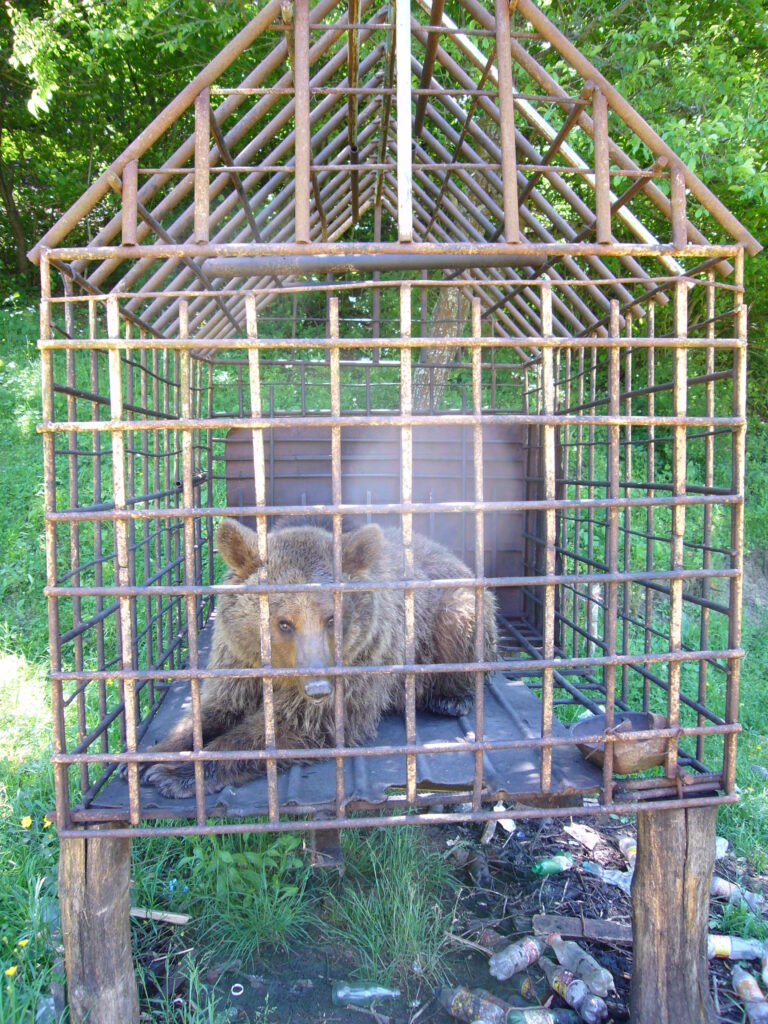
The TusnadEcoBear concept, initiated in 2022 in Băile Tușnad, Romania, promotes human-bear coexistence through communication, education, engagement and cooperation. These pillars include the Watch app for bear sightings, the Cave visitor center, the Fest educational festival, and the Conf scientific conference. With proven success, the goal is to expand the project to surrounding communities and establish Bear Smart communities through ongoing collaboration.

Rural stakeholders in the town of Băile Tușnad and surrounding ecotourism destinations are not fully engaged in human-bear coexistence practices, which are crucial for species conservation and conflict reduction. This project, supported by Bears in Mind since 2025, seeks to raise awareness and broaden its impact by addressing specific challenges that current methods or laws overlook, creating collaboration opportunities, and enhancing bear conservation education in local schools.

UPDATE!

The 4th TusnadEcoBear Conference, held in October 2025 in Romania, brought together experts from 17 countries to share knowledge on human–large carnivore coexistence, with a focus on European brown bears. Participants discussed practical approaches to mitigating conflicts in human-dominated landscapes, examined effective and ineffective management practices, and emphasized the importance of preparing for emerging challenges such as climate change. The conference reaffirmed its value as a unique platform that links scientific research, practical field experience, and community involvement, highlighting how local action supported by international cooperation can advance bear conservation.

Following the conference, the Tusnad Eco Bear Fest offered a two-day educational festival centered on the same theme, primarily aimed at schoolchildren. Activities included felting, woodworking, interactive science experiments, microscope observations, team-building games, and safe laser target shooting, all designed to deepen understanding of bear behavior, ecological roles, and opportunities for peaceful coexistence.

Only about 17% of the estimated 17,000 km2 of Sloth bear (Melursus ursinus) habitat in Nepal is effectively protected. The unprotected Sloth bear populations are largely confined to the forests of the Churia hills. In the eastern part of the Churia range lies the Trijuga forest which was once a stronghold for Sloth bears, but now faces unprecedented threats.

The team of WILD CARE (Wildlife Conservation and Research Endeavour Nepal) has gained extensive knowledge over the past three years in this area, and it revealed high levels of human disturbance, resulting in low bear density, patchy distribution, and intense conflicts, pushing bears to the brink of local extinction. Having obtained baseline data, the challenge now is improving locals’ awareness, perceptions and ability to coexist harmoniously with sloth bears and foster support for conservation.

This project, supported by Bears in Mind since 2024, is developed to address this challenge through (i) extensive awareness campaigns in local communities and schools, (ii) sensitization of local-level decision makers to include the needs of Sloth bears in forest use/management guidelines, and (iii) empowerment of community forest members on Sloth bear monitoring. By bridging the gap between scientific research and community engagement, the project offers hope for the long-term survival of Sloth bears in this critical habitat.

The province of Paucartambo, located in the Cusco region of Peru, has diverse ecosystems such as grasslands and cloud forests that constitute the main habitat of the Andean bear (Tremarctos ornatus), this species that plays a crucial role in seed dispersal and maintaining ecological balance. However, their survival is threatened by habitat loss, poaching, and interactions with human activities. This province is part of the Manu Biosphere Reserve, so it is important that the local population knows and values the species.

Knowing the situation of the Andean bear in this province, there is a need to have an environmental education project focused on the dissemination of its ecology and conservation. This project, executed by the non-profit Q’alachaqui with financial help from Bears in Mind since 2024, seeks to promote awareness about the importance of protecting the Andean bear and its habitat, through educational activities, interactive workshops and the participation of the local educational community. The target audience of the project is primary level students from educational institutions in the district of Paucartambo, since children recognize the cultural relationship with the species, however, they do not know or understand the impact that the Andean bear plays in the local ecosystems.

The Himalayan brown bear (Ursus arctos isabellinus) is widely distributed in countries such as Afghanistan, China, India, Iran, Iraq, Kazakhstan, Kyrgyzstan, Mongolia, Nepal, Pakistan, Turkey, Turkmenistan, and Tajikistan. In Pakistan, researchers have recorded brown bear populations in 15 localities, with only the Deosai plateau and the Khujarab National park having an increasing population due to conservation efforts. However, other populations are thought to be declining. The Himalayan black bear (Ursus thibetanus) on the other hand, has a restricted distribution in the Himalayan range from Bhutan through Kashmir, Sikkim to Pakistan. In the past, it was present in all mountain areas of northern Pakistan but has faced a sharp decline in the last 40-50 years. There is limited information available about the species.

The study, carried out by a PhD student at the Malakand University and funded by Bears in Mind since 2024, aims to investigate the human-bear interactions, habitat preferences, occupancy patterns, density patterns of bears in the area, population structure, inbreeding, and migration patterns of the bears using genomics. The information generated from this study will be valuable for the conservation of these species and the development of effective management strategies to mitigate human-bear conflicts and conserve the species in their natural habitats.