

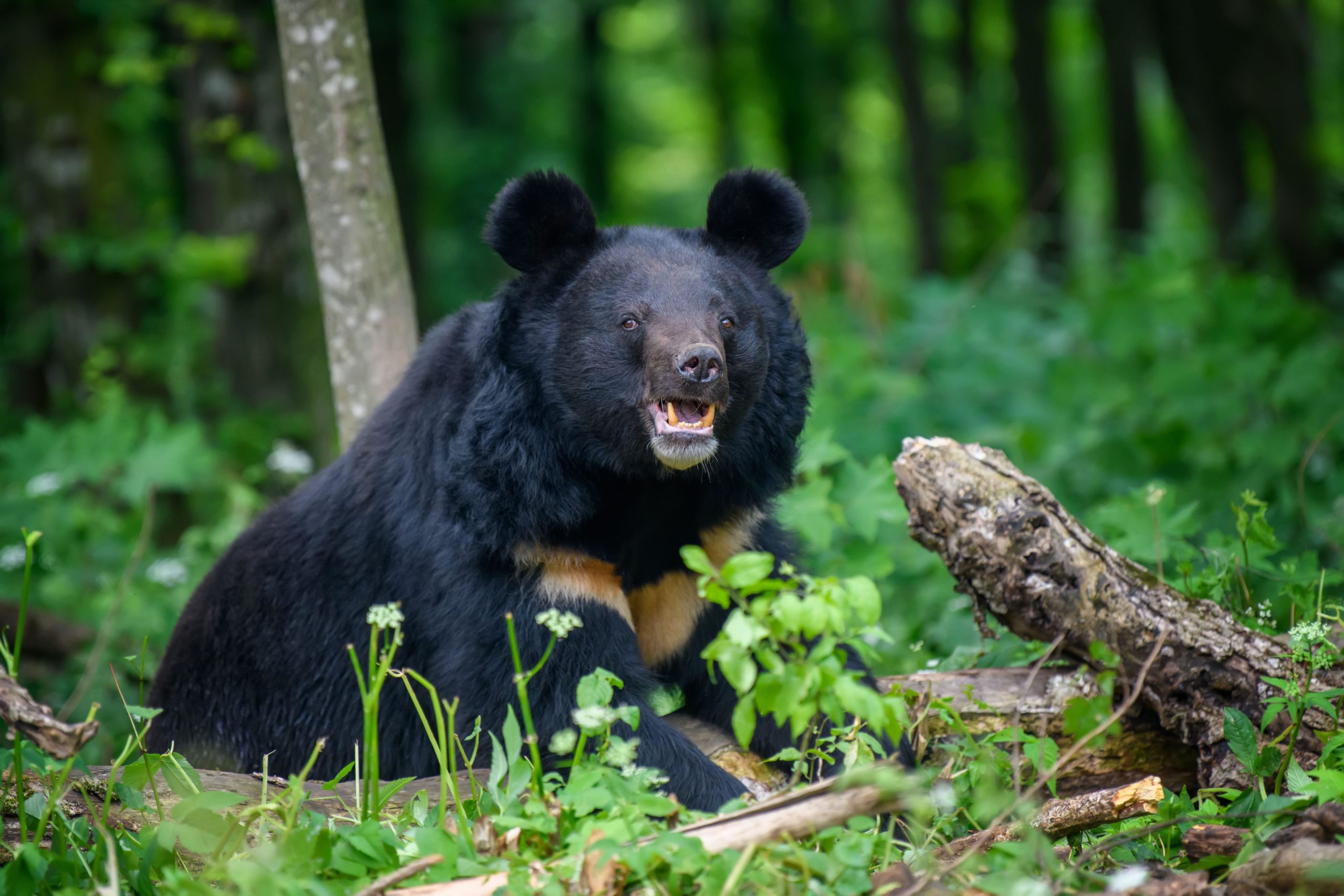
The Sun bear and the Asiatic black bear—both protected under CITES Appendix I and India’s Wildlife (Protection) Act, 1972—are classified as Vulnerable by the IUCN. In India, limited data on their populations, habitat use, and threats hinder effective conservation, while habitat loss, fragmentation, and poaching intensify risks. Namdapha Tiger Reserve in Arunachal Pradesh presents a rare setting where these two bear species may coexist, yet their ecological interactions, spatial distributions, and niche overlaps remain poorly understood amid increasing forest degradation and human encroachment.
This project by the Amity Institute of Forestry and Wildlife aims to fill key knowledge gaps by examining niche overlap, spatial distribution, and habitat preferences of coexisting bear species in Namdapha. Using habitat suitability modeling, gap analysis of protected and reserve forests, and threat-zone identification, the study will combine field surveys—line transects, camera traps, and GPS-based presence records—to map current distributions, identify critical habitats, and assess conservation effectiveness.
A central component is community-based conservation through sensitization programs, village meetings, and workshops to raise awareness and reduce human–bear conflict. By integrating ecological research with participatory approaches, the project seeks to inform practical management plans and policy recommendations, supporting long-term habitat protection and the survival of bear species in the Namdapha landscape and across Northeast India.