
Bear bile has been used for centuries in traditional Chinese medicine (TCM) due to its high concentration of ursodeoxycholic acid (UDCA) and its potential effectiveness in treating inflammatory conditions and liver diseases. Historically, bile was obtained from wild bears, but due to an unstable supply and growing demand, techniques were developed in the late 20th century to extract bile from live bears. This eventually led to the rise of the bear bile industry in various parts of Asia, including South Korea.
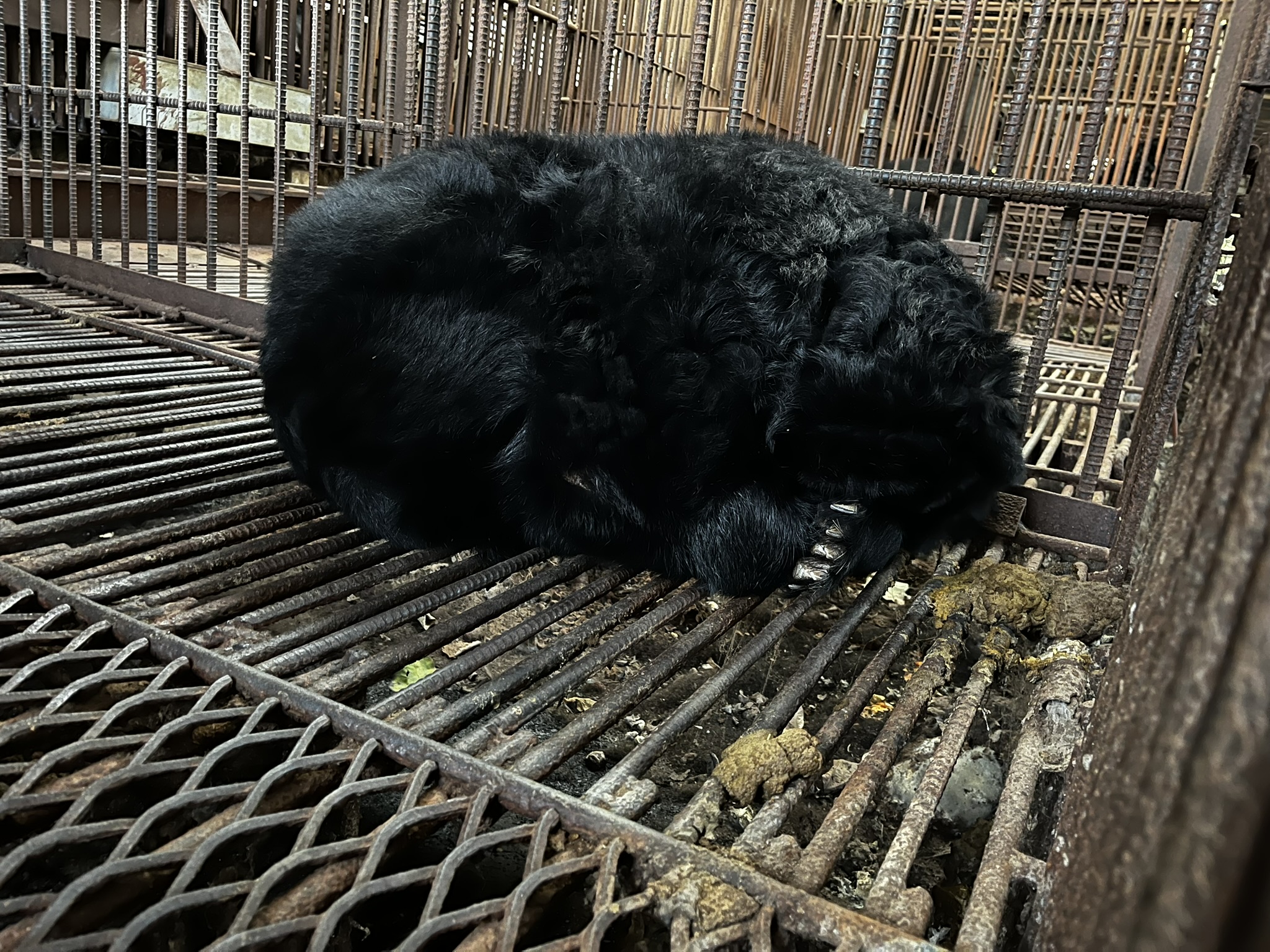
In South Korea, the commercial bear bile industry was promoted by the government starting in 1981, with hundreds of bears imported to expand captive populations. Despite increasing international criticism, the industry flourished throughout the 1990s. Over time, however, awareness campaigns by NGOs and policy reforms led to a gradual decline in the number of bear bile farms and captive bears. By 2022, there were still 322 bears in captivity in South Korea. In January 2022, the Ministry of Environment formally signed an agreement to end the bear bile industry and establish rescue facilities for captive bears.
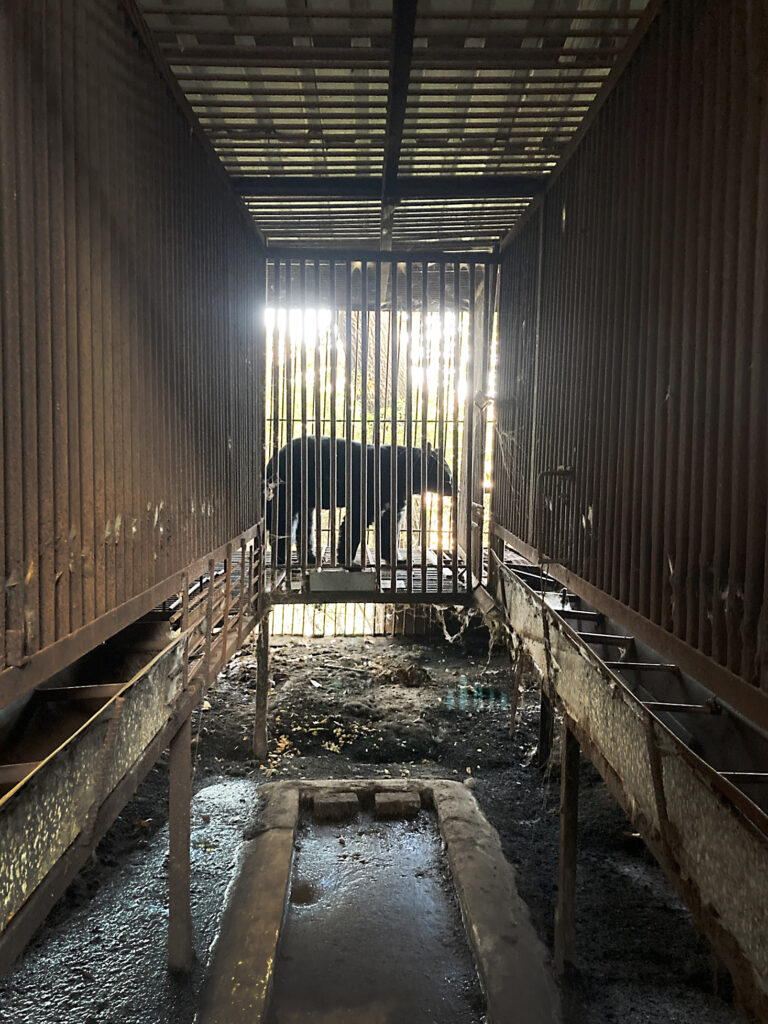
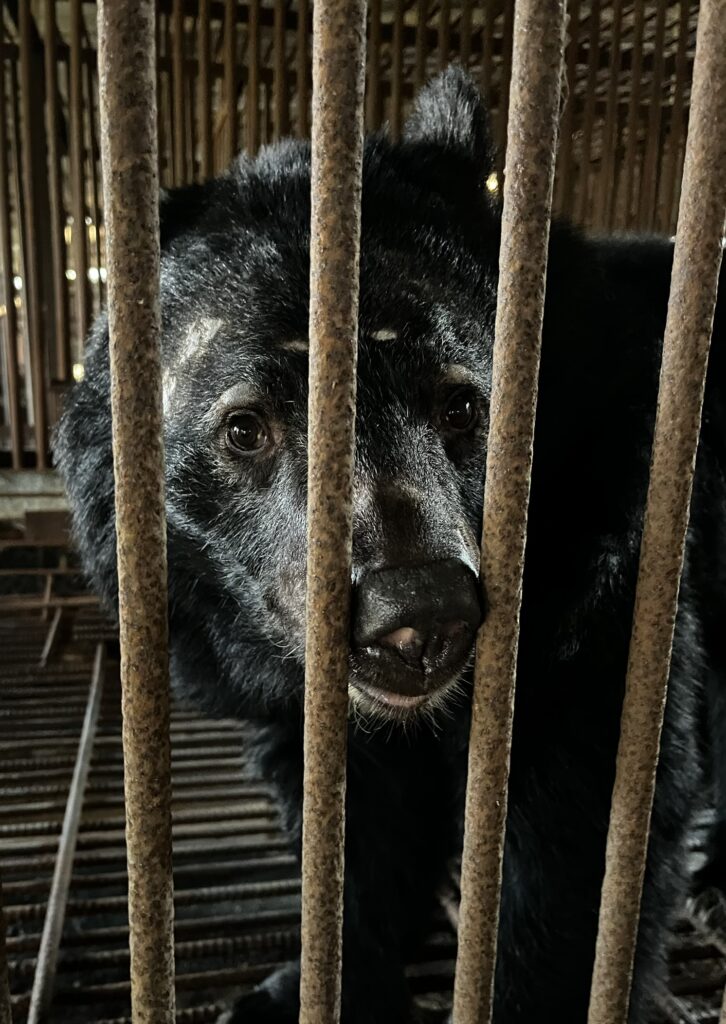
As of January 1, 2026, the bear bile industry and bile extraction from bears are officially banned. Since then, the South Korean government has invested in rescue facilities, such as the Gurye Bear Rescue Center (for 49 bears) and a planned facility in Seocheon (for 70 bears). However, even with two major rescue centers, it remains extremely difficult to accommodate all the remaining bile bears in South Korea. As of early 2026, nearly 200 bears are still on farms, demonstrating that domestic capacity is insufficient.
For this reason, international rehoming is being considered as part of a broader long-term strategy. While relocating some bears to other countries does not solve the entire problem, it is an essential and practical step to reduce the number of bears in bile farms and promote international cooperation on animal welfare.
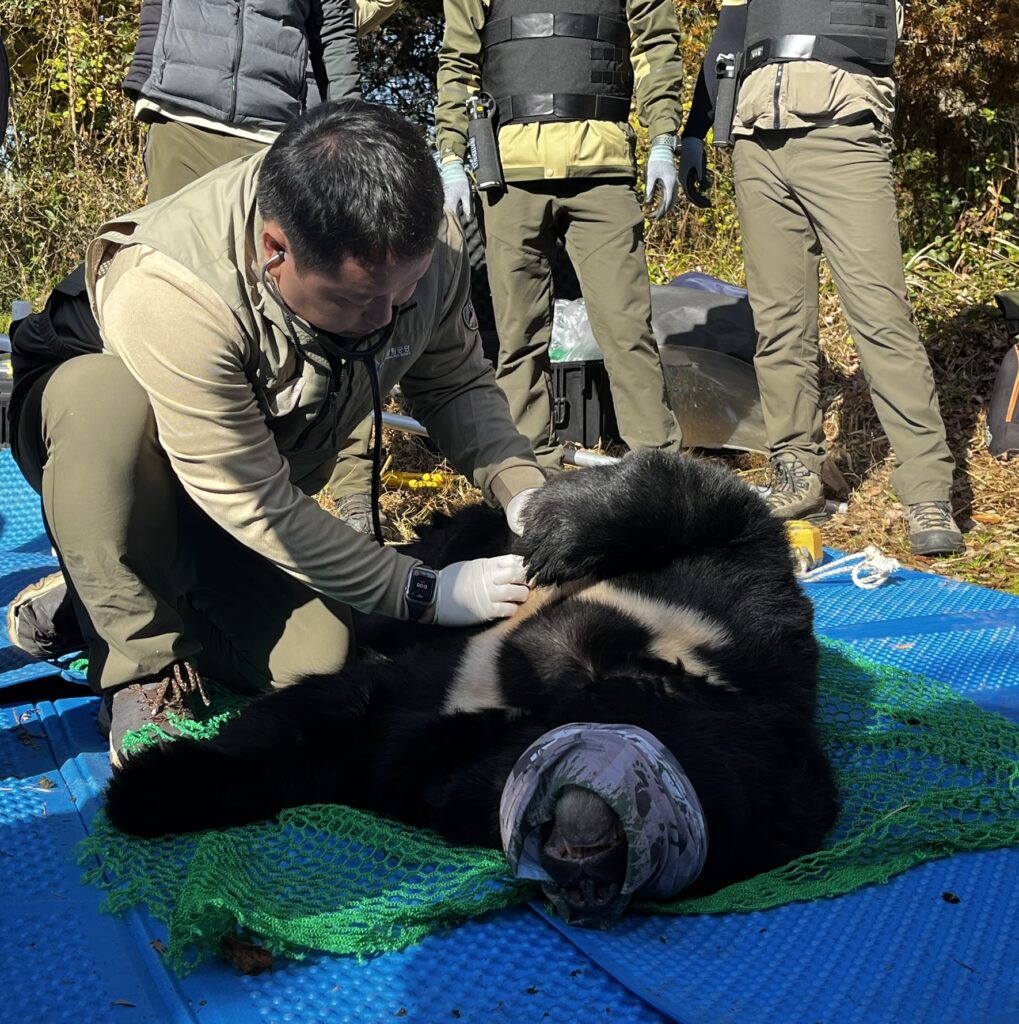
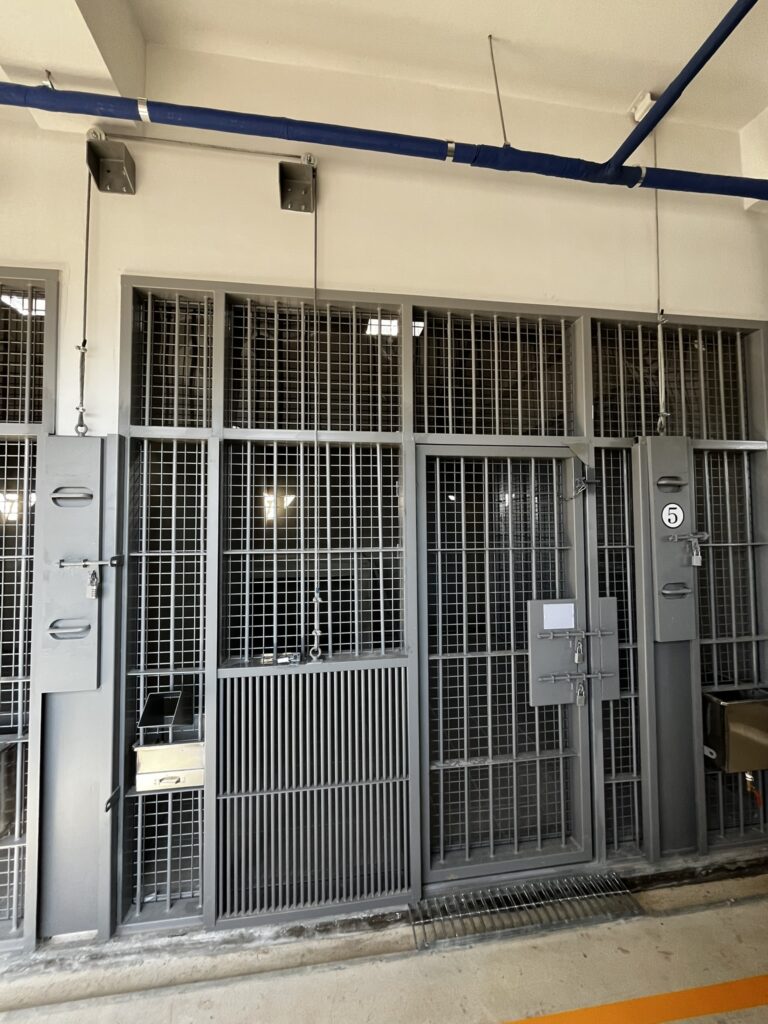
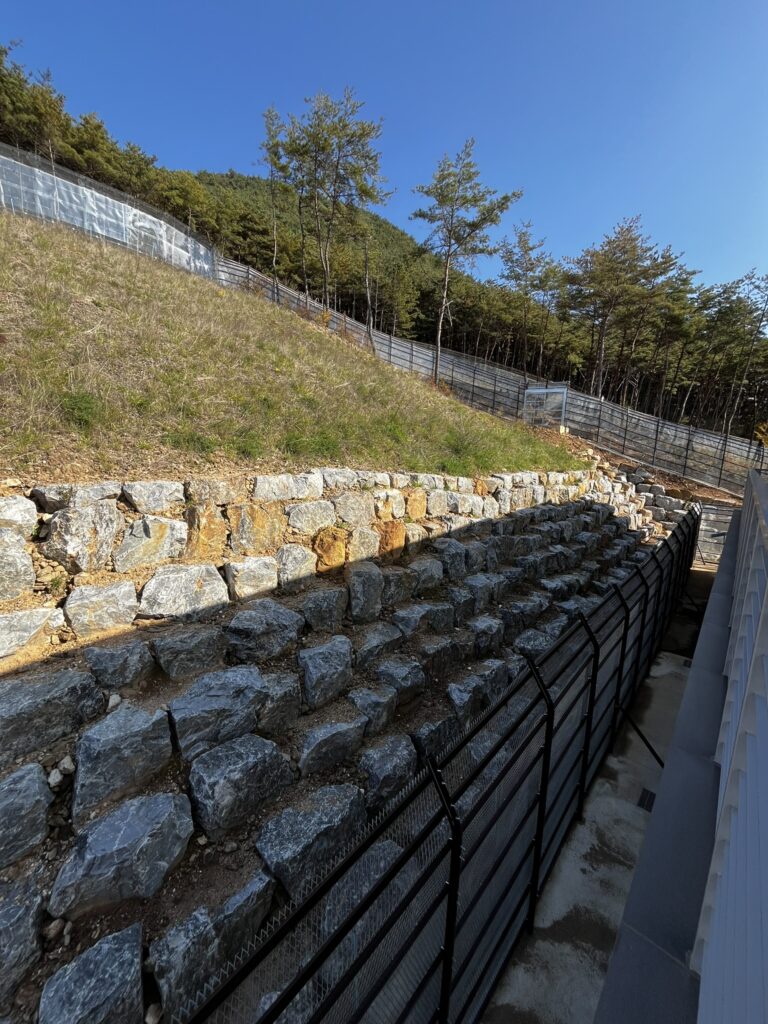
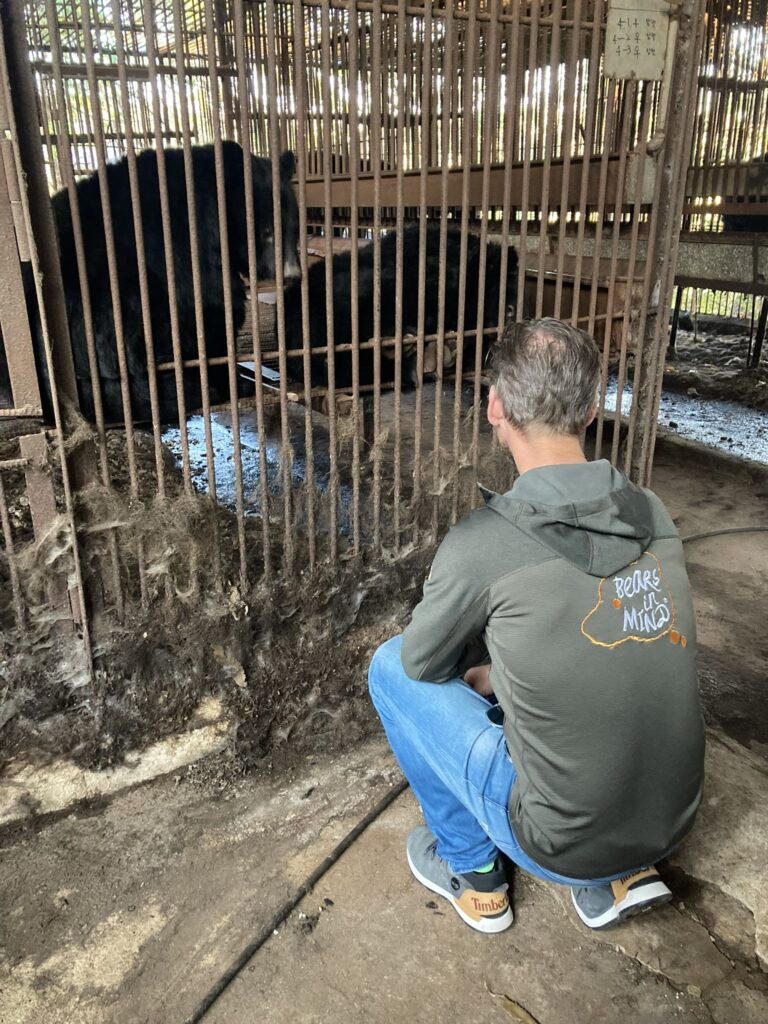
For this purpose, Koen Cuyten of Bears in Mind and Prof. DH Jeong of Chungbuk National University in South Korea held a discussion during the IBA Bear Conference in Canada in 2024 about the capacity issues for bile bears in Korea and possible international rehoming options. During this discussion, an initial plan was developed to provide a safe and long-term home for a group of South Korean bile bears in various European countries.
In March 2025, the Bears in Mind team, Prof. DH Jeong, and a delegation from the Korean Animal Welfare Association (KAWA) and Dyrenes Beskyttelse (Danish Animal Protection) held a meeting at Knuthenborg Safaripark in Denmark. At this meeting, technical, logistical, and welfare-related challenges were discussed regarding the potential rehoming of a group of 6 to 8 Asiatic black bears (Ursus thibetanus) from South Korea, once the ban on keeping bears in farms for their bile came into effect in 2026.
In November 2025, the same coalition—including representatives from Bears in Mind, Knuthenborg Safaripark, Dyrenes Beskyttelse, Prof. DH Jeong, and KAWA—convened again in Seoul to take concrete preparatory steps for the export of six bile bears. During this visit, the group conducted a joint visit to the largest bile bear farm in Dangjin, where nearly 100 bears were living in extremely poor conditions. The coalition also witnessed the rescue of two bears from another farm by the Korea National Park Service. These rescued animals were subsequently transferred to the government-managed rescue facility in Gurye.
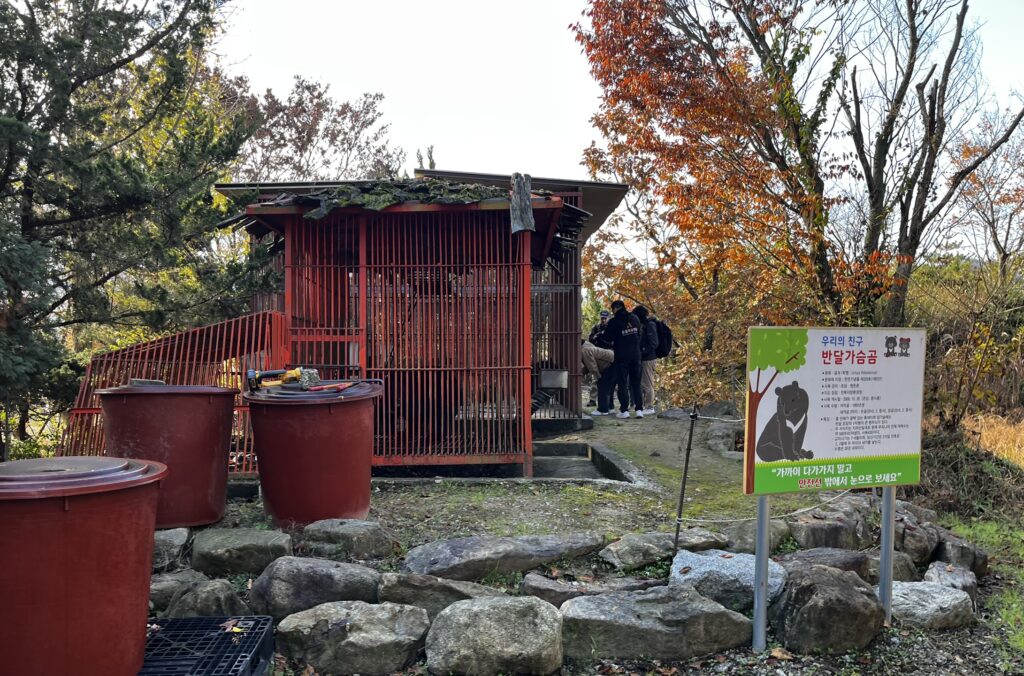
Following these visits, the development of a new large bear enclosure in Denmark was significantly accelerated. Bears in Mind continued coordination with Danish partners regarding transport preparations and advice on facility construction, while Prof. DH Jeong and KAWA supported discussions on identifying suitable bears for rehoming. At the same time, preparations were underway with a specialized international air freight carrier to ensure safe and animal-friendly transport conditions.
A new home at Knuthenborg Safaripark in Denmark
Over de course of a year, a new home was developed and prepared for a small group of former Korean bile farm bears. The bears were locally rescued from bile farms by the partners from KAWA, following the ban on bile farming early 2026. The bears, Asiatick black bears (Ursus thibetanus) aged between 10 and 15 years old, were carefully choosen to be able to make the long journey to Europe and hopefully live a substantial part of their lives in a new forested semi-natural enclosure. The new bear enclosure at Knuthenborg Safaripark spans 23,000 square meters of beech forest with ponds and separate indoor pens. It will be the first time these bears will feel natural soil under their paws in which they can dig, ponds to swim in and trees to climb in. It will stimulate their natural bear behaviour immensely!
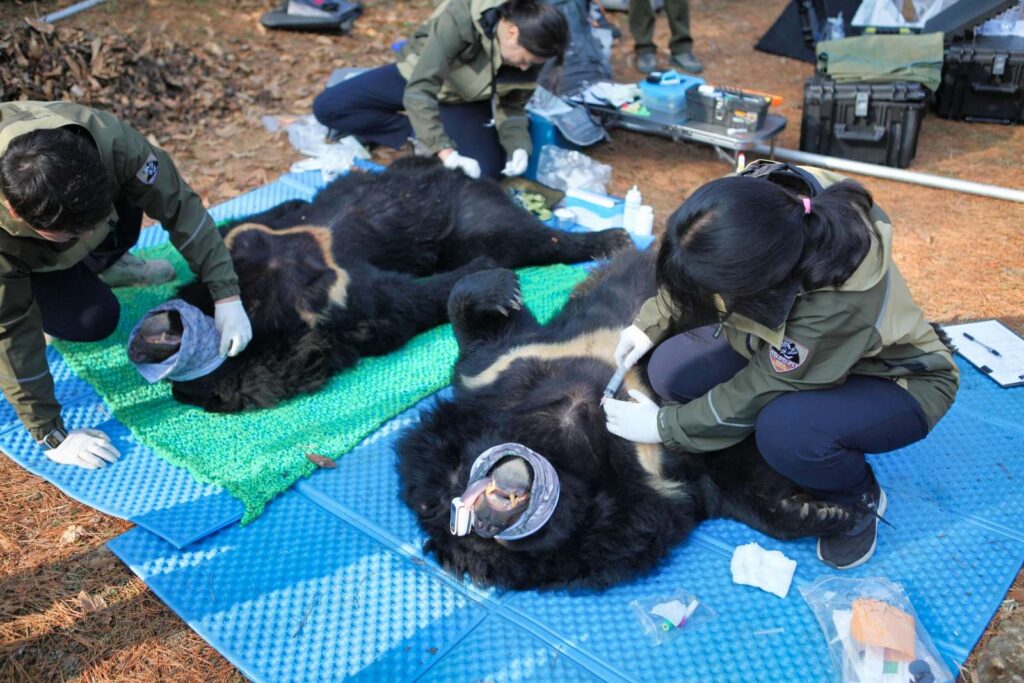
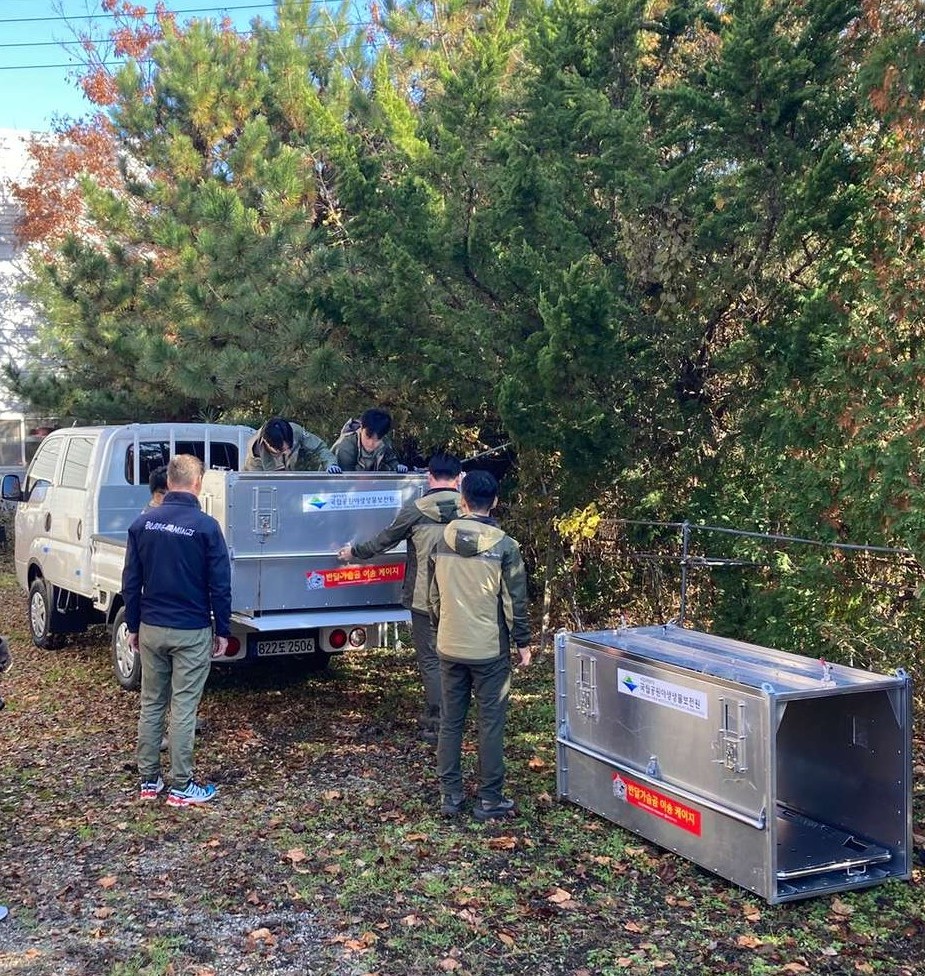
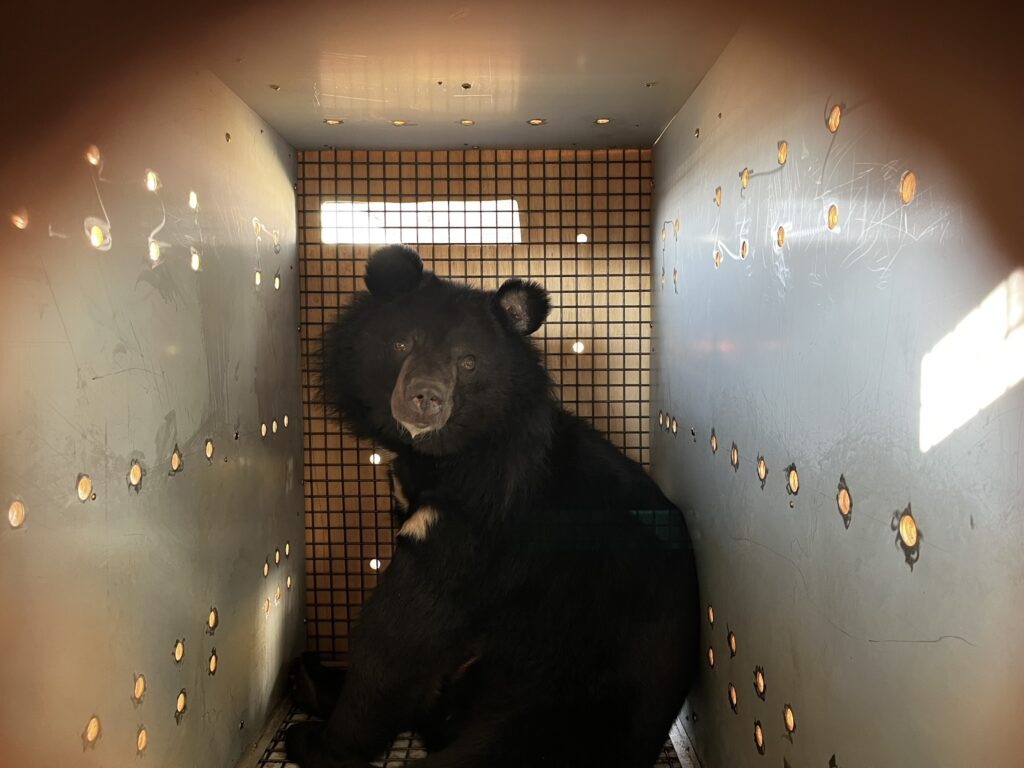
On June 17 it was finally happening: 6 bears were prepared for their long journey to Denmark. The transport boxes were delivered and the bears were sedated two by two, given a final check and placed in the boxes.
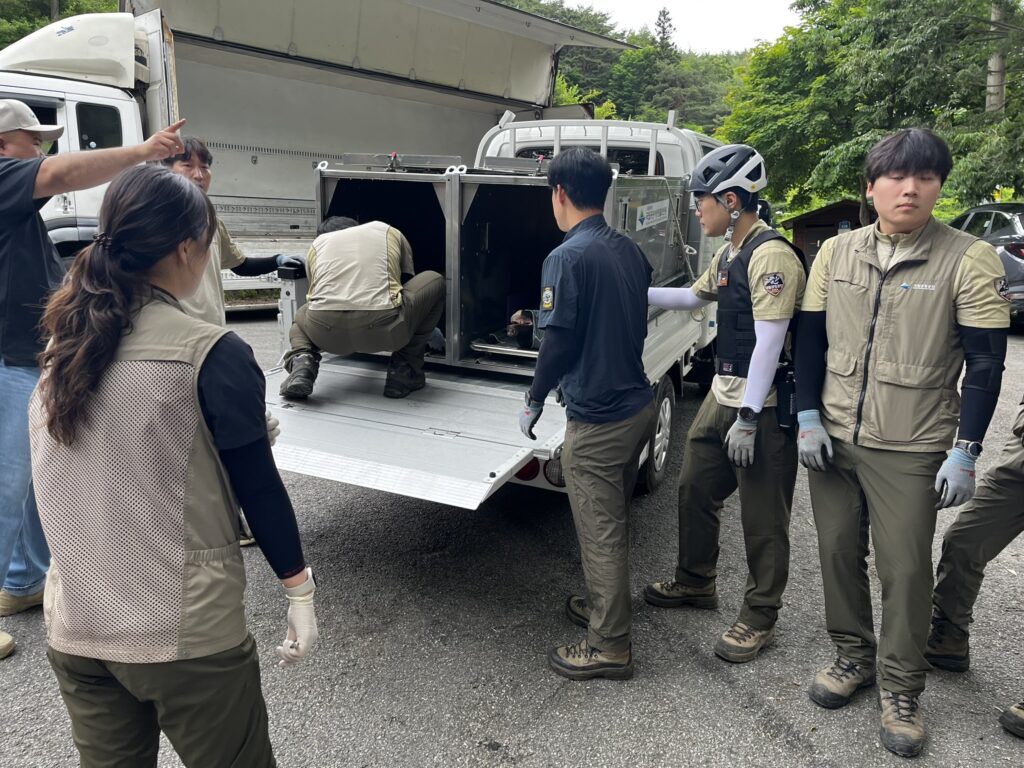
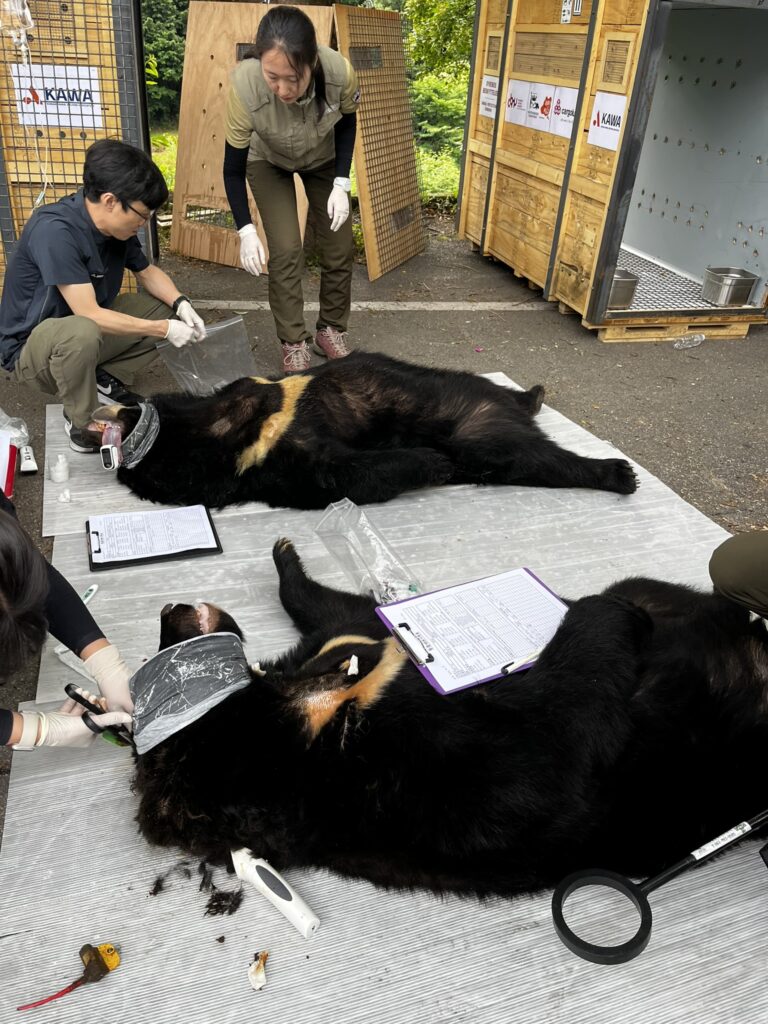
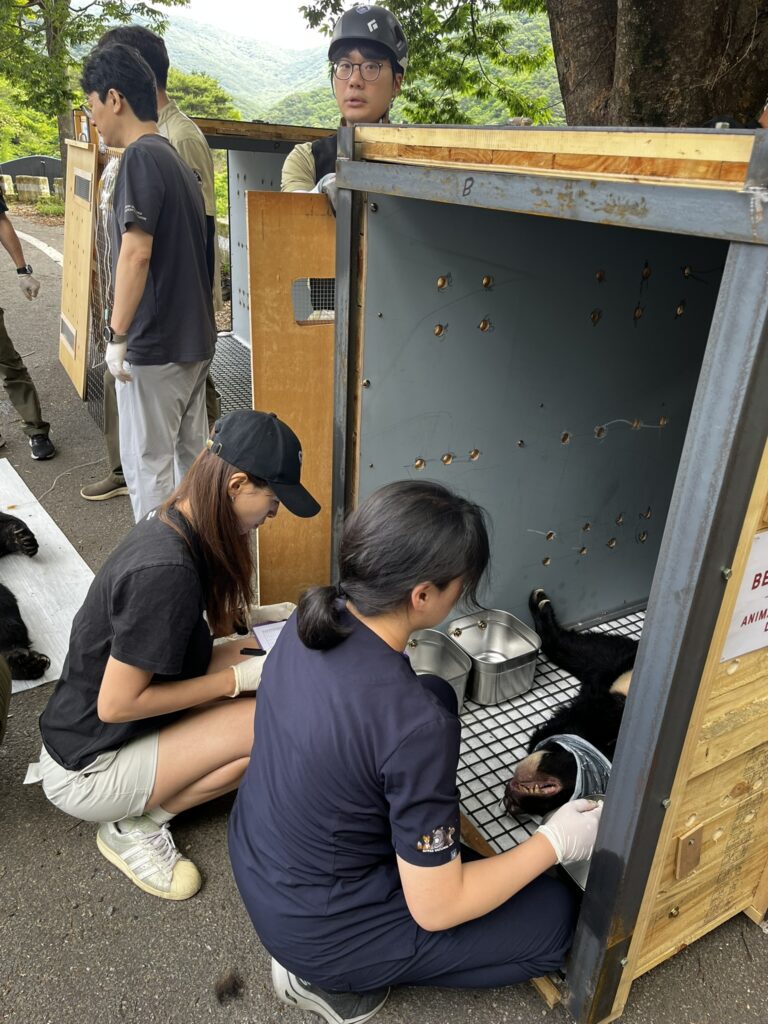
A significant team from the Korea National Park Service together with several veterinarians worked systematically and efficiantly to get all bears safely awake and alert in the transport boxes before being loaded on the trucks.
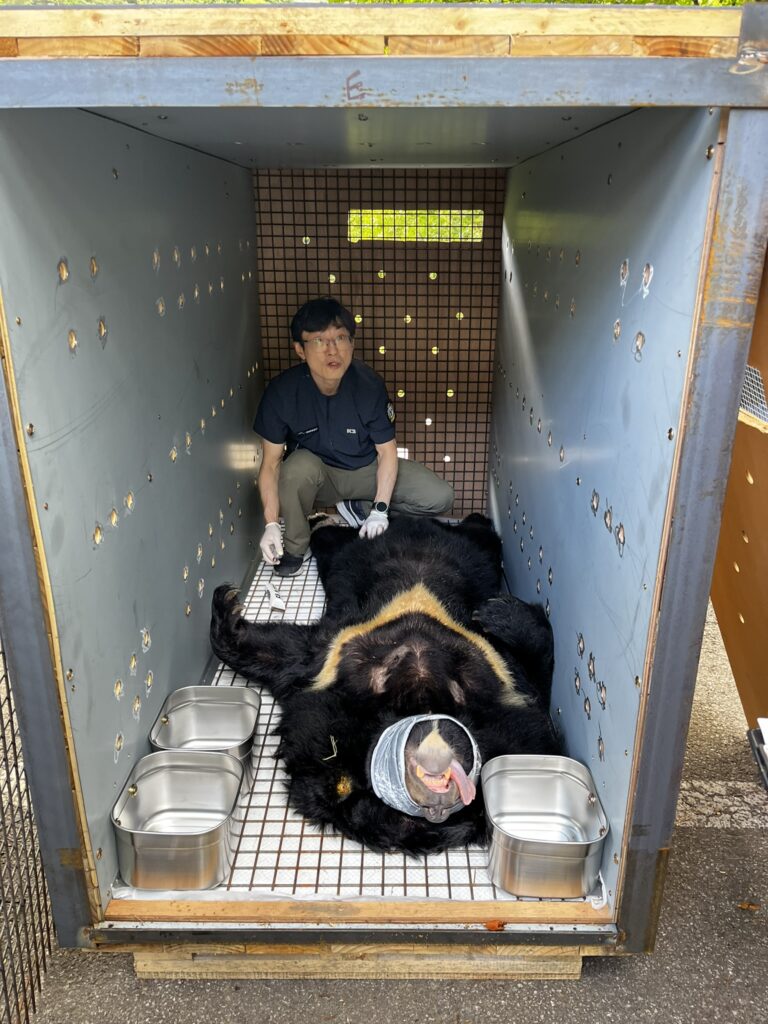
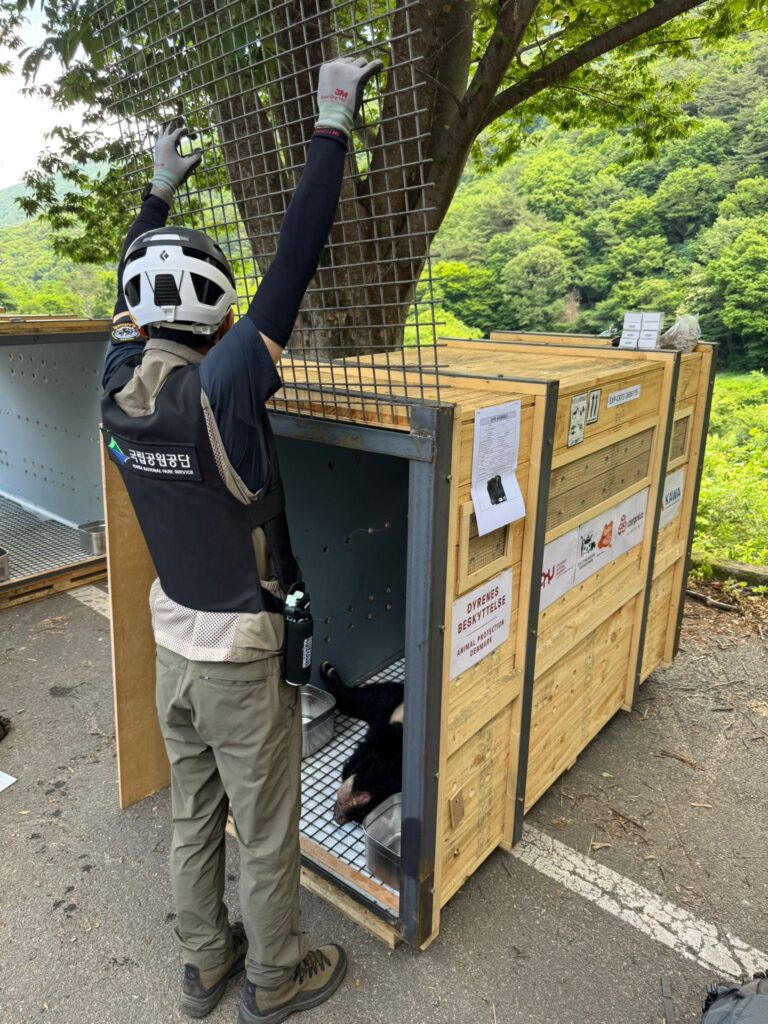
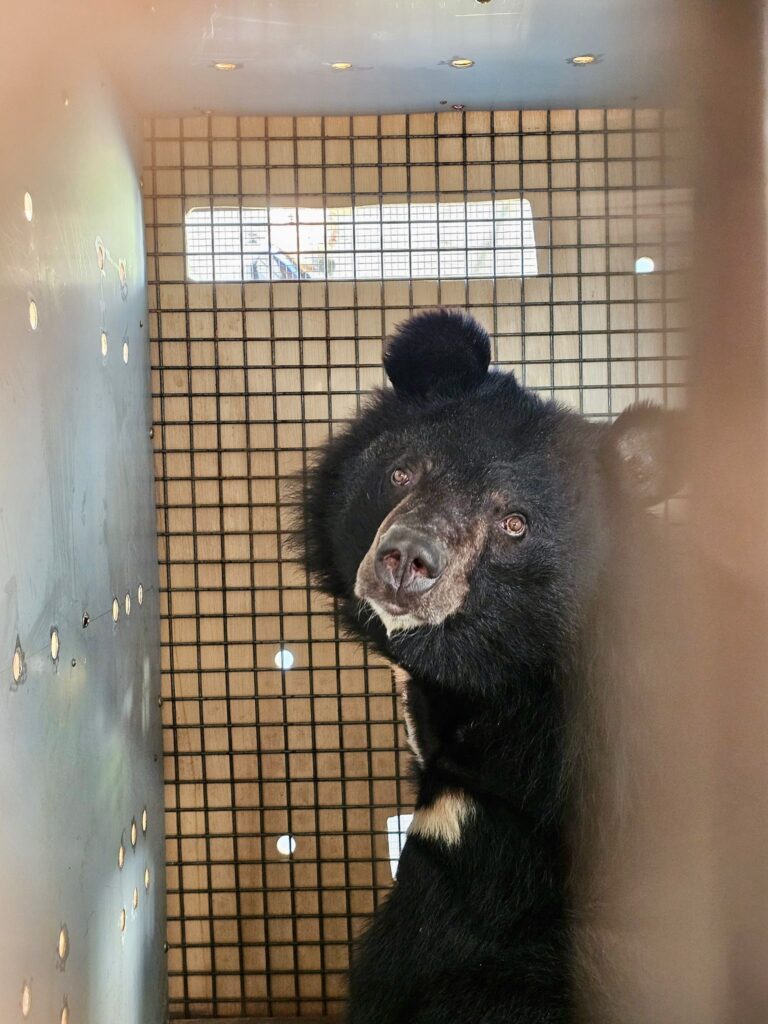
Once in the two trucks, the 5 hour drive to the Seoul Incheon Airport could begin.
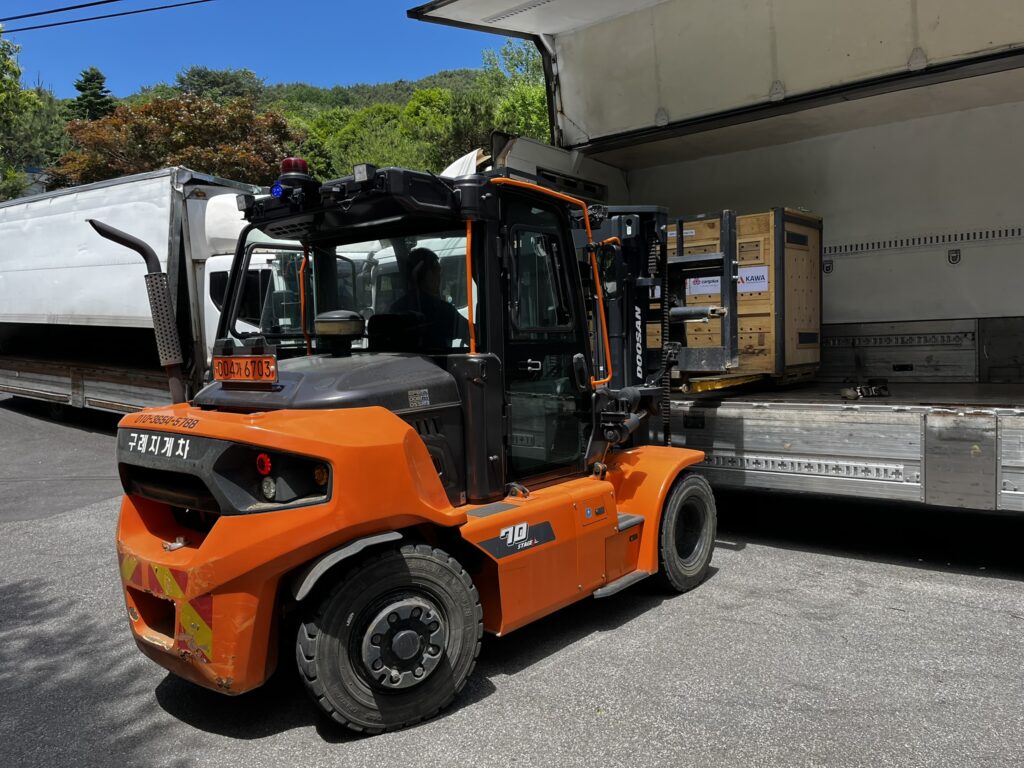
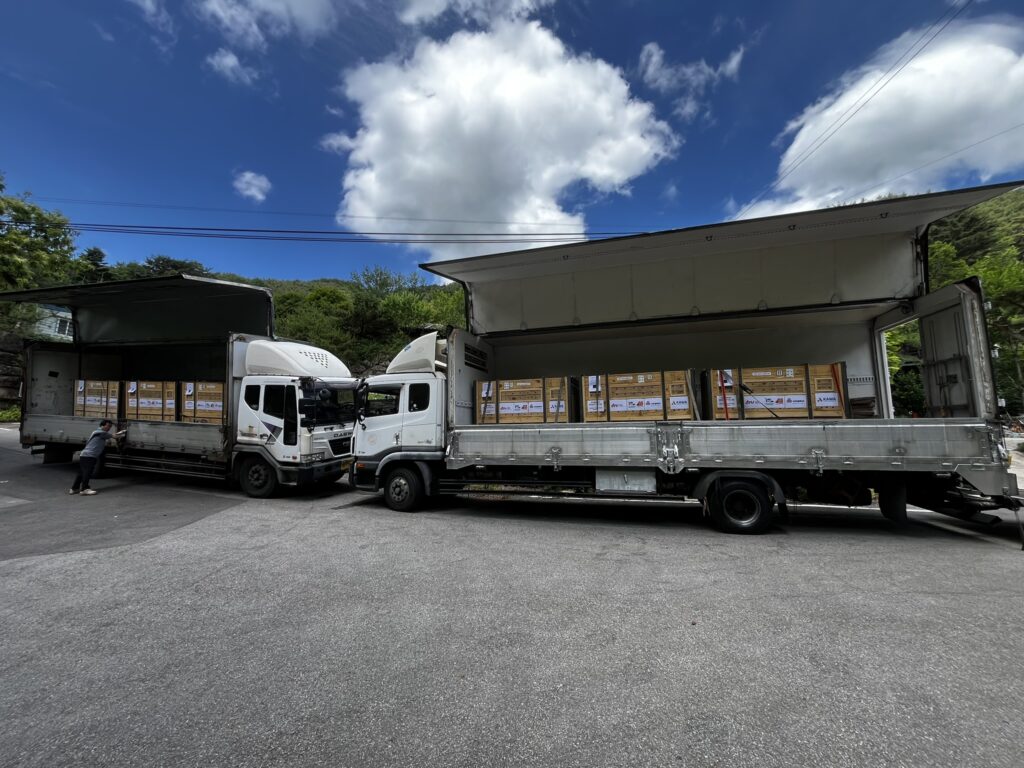
At around 5pm local time the bears arrived at the loading dock at the airport. They were checked a final time by the international team, watered again and prepared at a secured and climatized hangar prior to their loading onto the airplane. All bears were calm during the whole procedure.
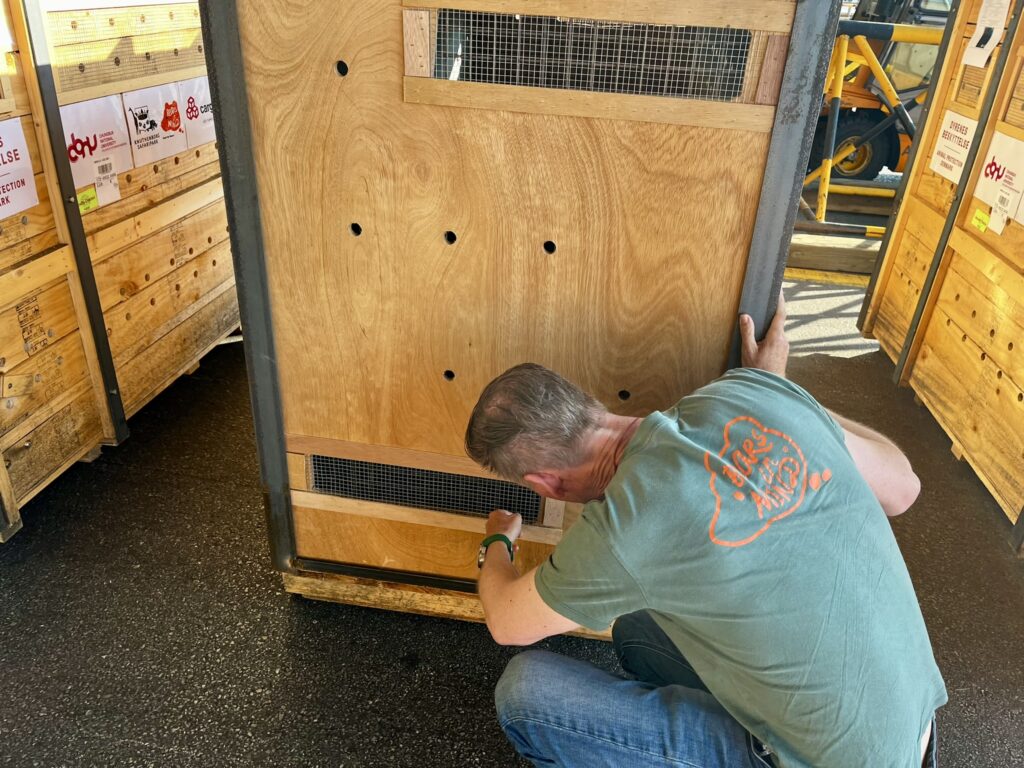
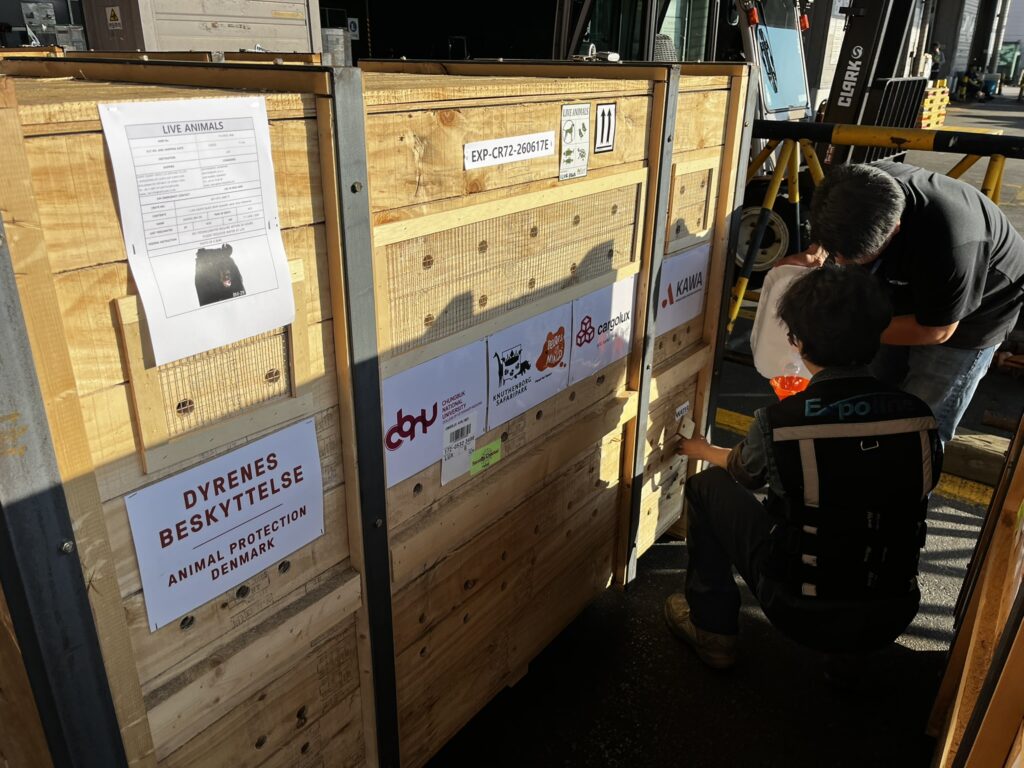
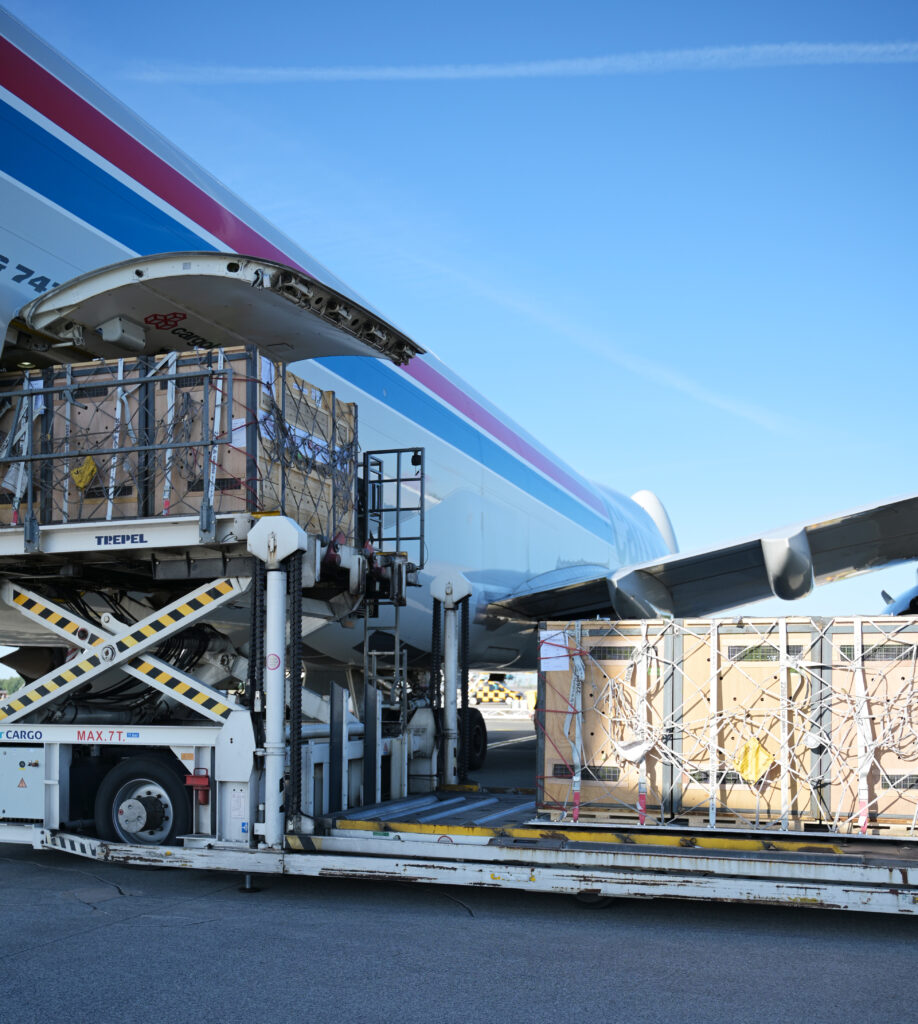
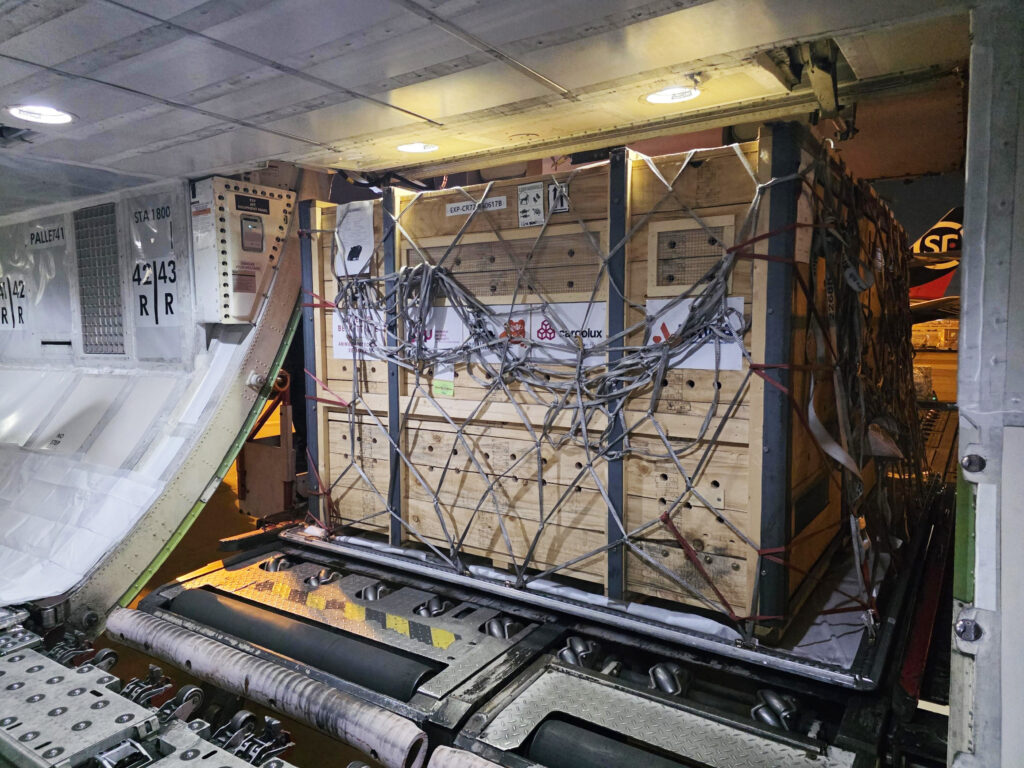
The flight was kindly sponsored by Cargolux Airlines, a world leader in airfreight movement. The bears arrived in the morning of June 18 at Luxembourg Airport, home of Cargolux. After inspection and clearance, the Danish team loaded the bears onto a large lorry and started the last part of the journey home to Knuthenborg Safaripark. The bears arrived safely in the early hours of June 19.
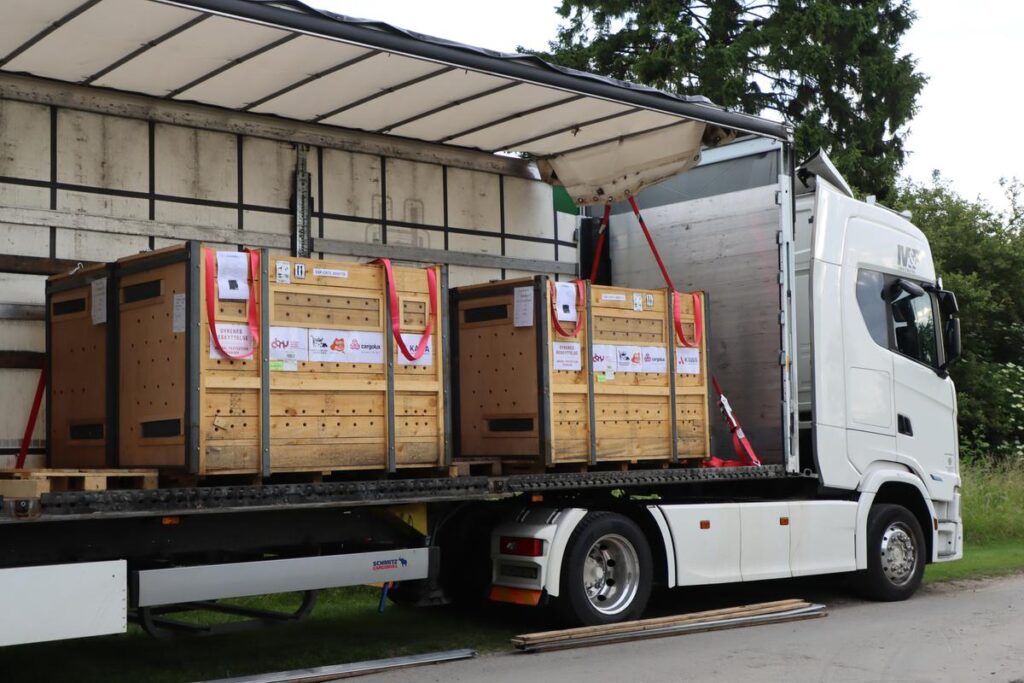
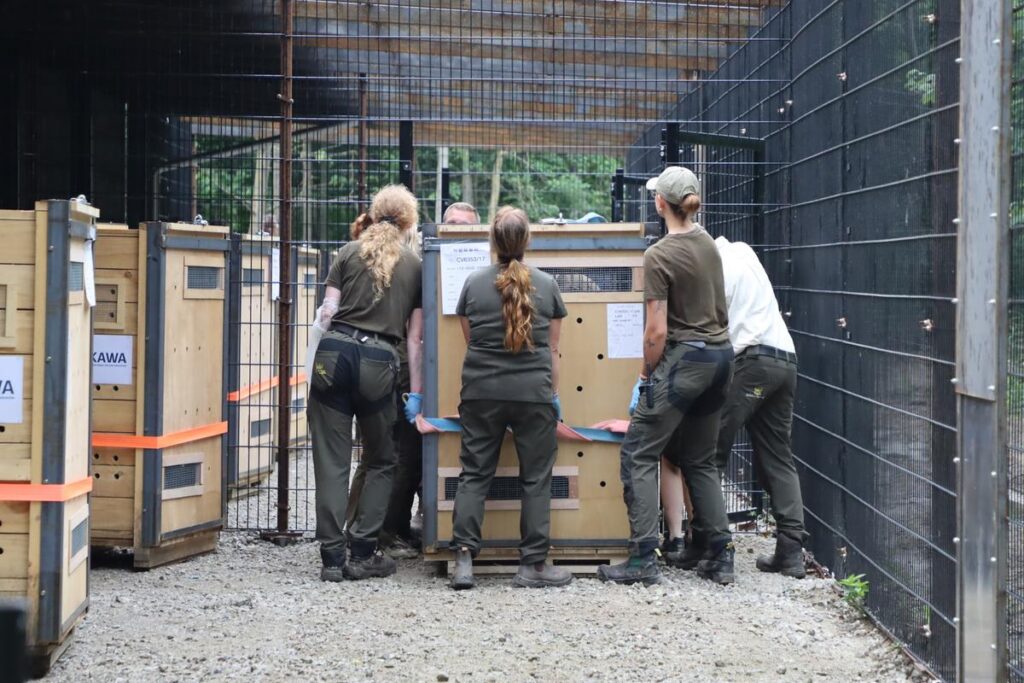
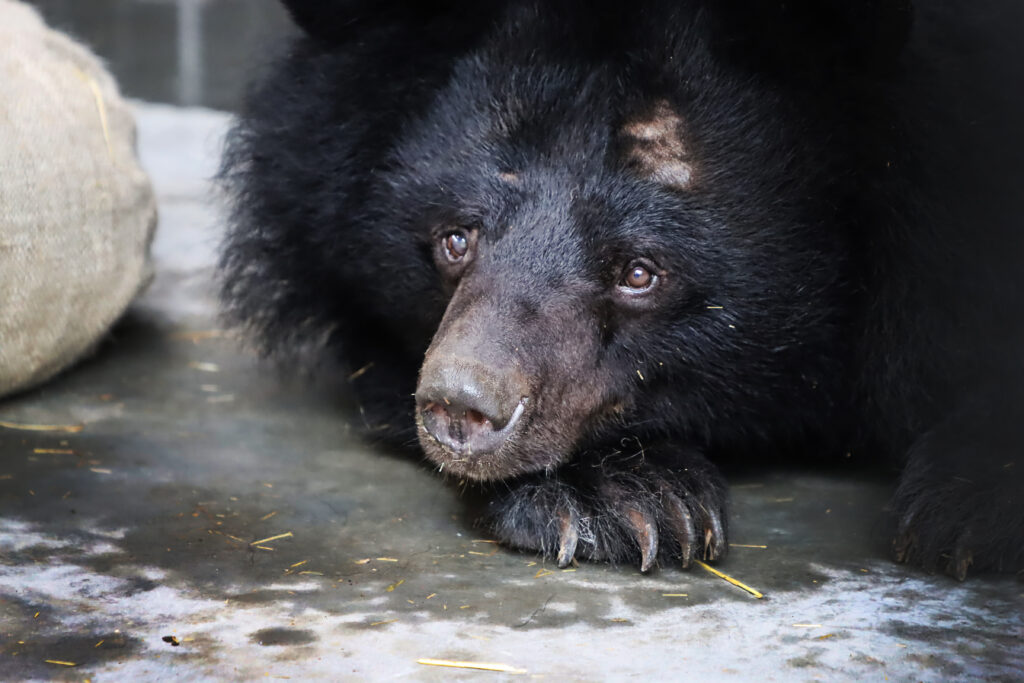
After a quarantine period of several weeks, the doors were finally opened to their new forested home, the beginning of their new bear life:
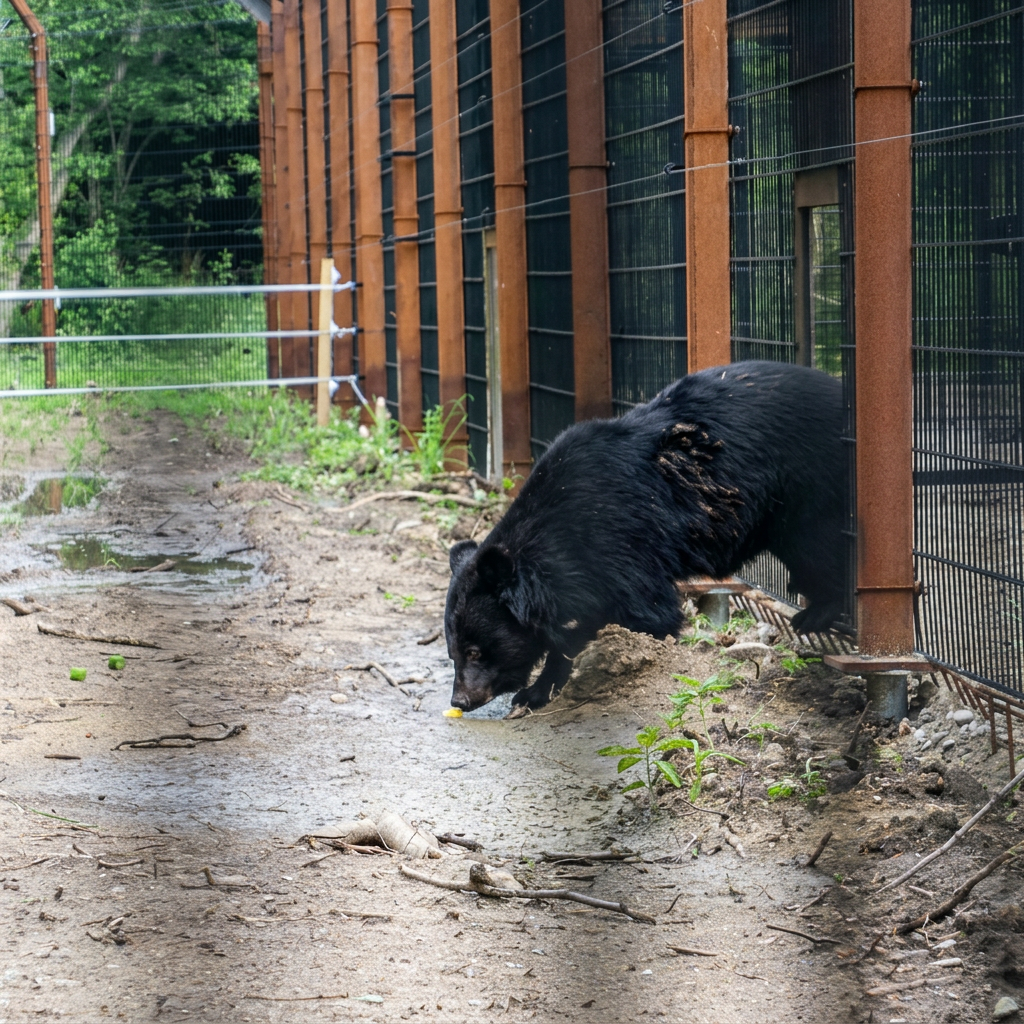
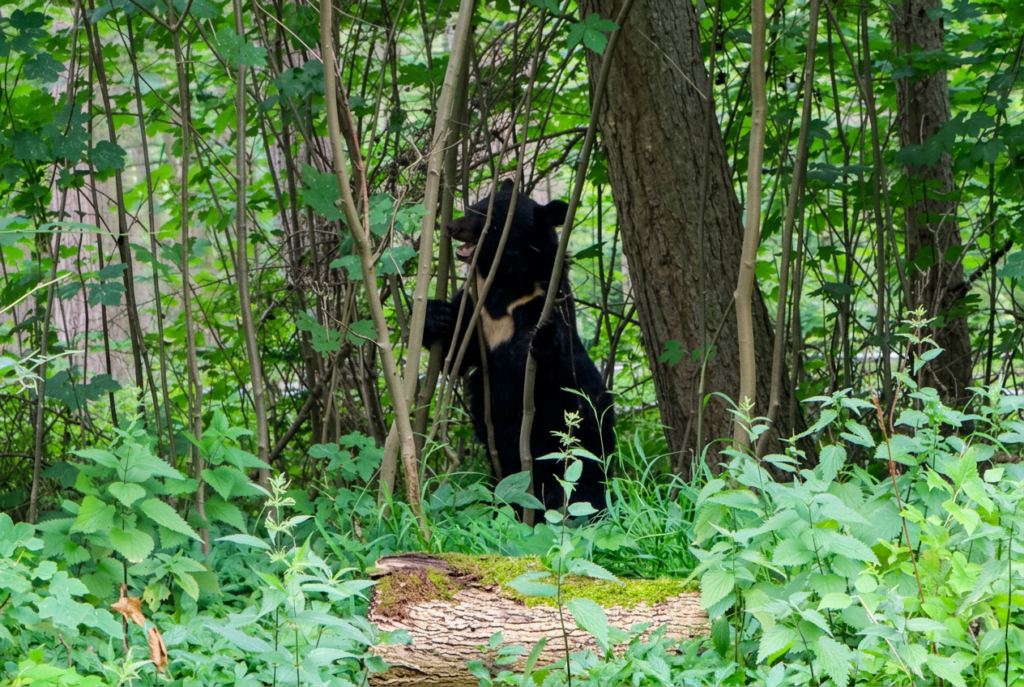
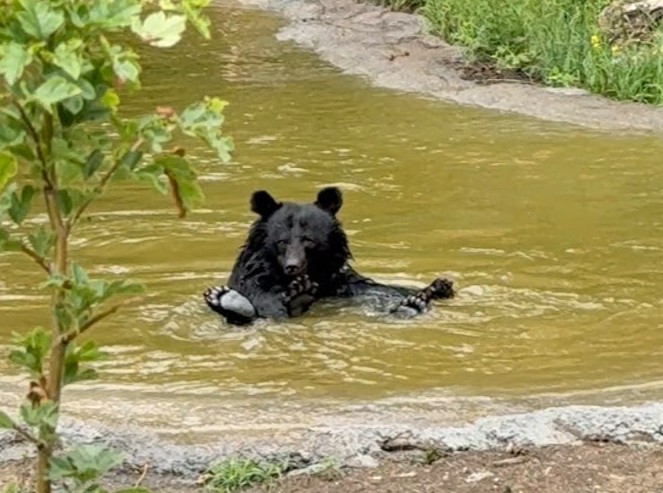
Over many years, countless individuals and organizations have demonstrated their commitment to solving the issue of captive bears in Korea, and their work continues to this day. We sincerely appreciate their unwavering dedication and hope that all “bile bears” will soon be able to lead a more peaceful and comfortable life—and simply be bears again.