

Cotapata National Park (CNP) in Bolivia is a small (40,000 ha) but ecologically vital protected area near La Paz, home to Andean bears and over 463 bird species and 300 orchid species, as well as rich archaeological heritage. Its proximity to the city makes it ideal for ecotourism and conservation education, especially for children. However, CNP’s size may be insufficient to sustain a viable Andean bear population in the long-term. Using the highest reported density (7.4 bears/100 km²) and assuming 70% of the park is suitable habitat, CNP may only support about 20 bears—far below the minimum viable population size.
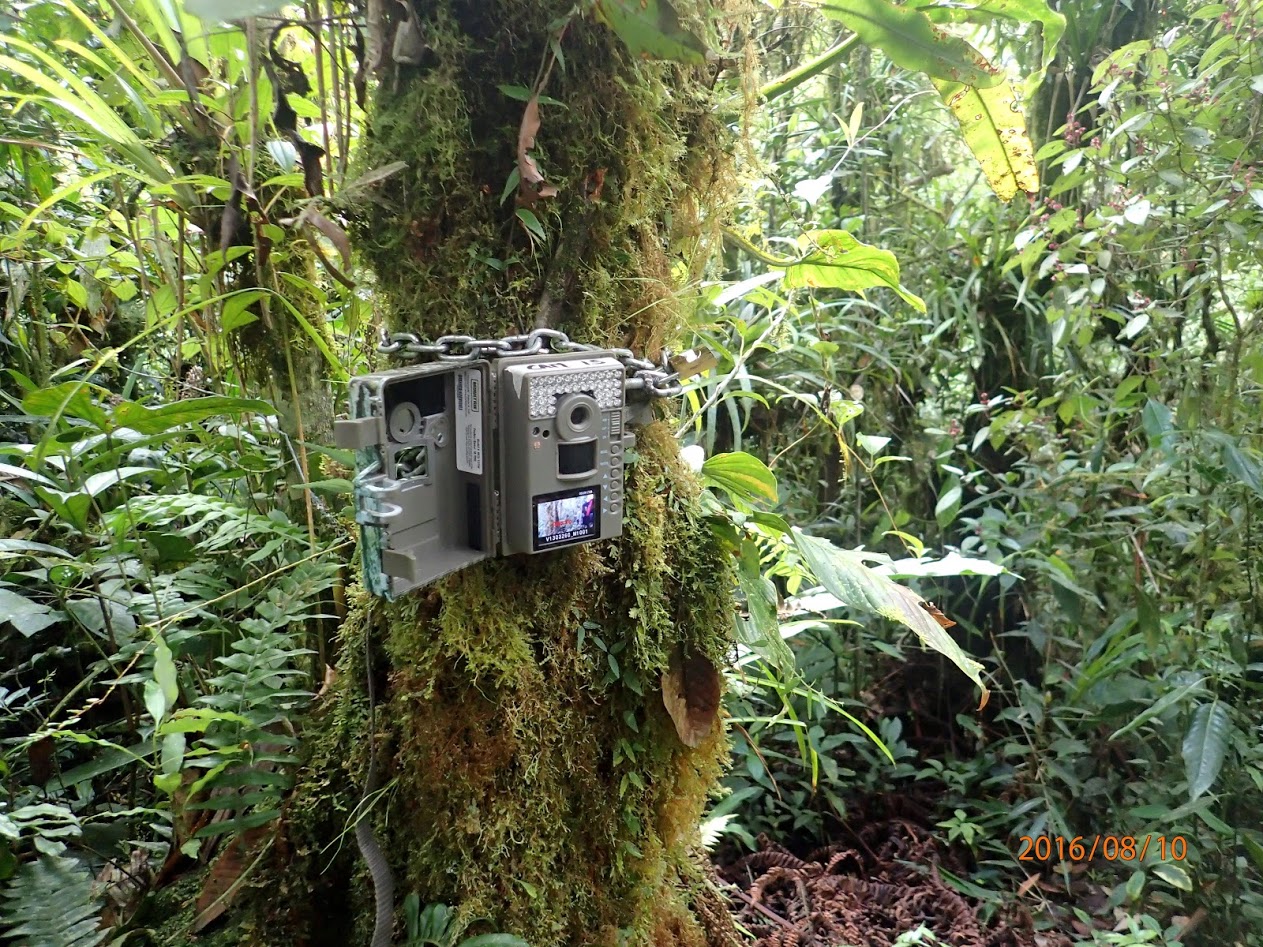
Southeast of CNP lies a 250,000 ha region of suitable, unprotected Andean bear habitat in good condition. Protecting this area could significantly improve the species’ long-term survival near La Paz. Yet, there is a lack of data on bear abundance and local perceptions outside CNP. This project by BIOTA (supported by Bears in Mind since 2026) aims to address these gaps by comparing bear abundance inside and outside CNP and assessing local attitudes toward their conservation. The survey area is part of Bolivia’s fifth Andean Bear Conservation Unit, which spans over 2.4 million hectares, though the entire area is unlikely to be preserved due to its proximity to the city.
The ecological conditions outside CNP are similar to those inside, suggesting comparable biodiversity and archaeological richness. Conserving these areas would enhance environmental management in Bolivia. Andean bears, as a flagship and umbrella species, could help protect other flora and fauna in this biodiverse region. Additionally, the project includes a two-day workshop for schoolchildren, both inside and outside CNP, to gauge and improve their understanding of Andean bear conservation. This is the first project to study local perceptions within CNP, making the comparison especially valuable. By combining scientific data and community engagement, the project seeks to support the expansion of protected areas and promote effective conservation strategies.
A short video has already been made to be used in the work with school children: