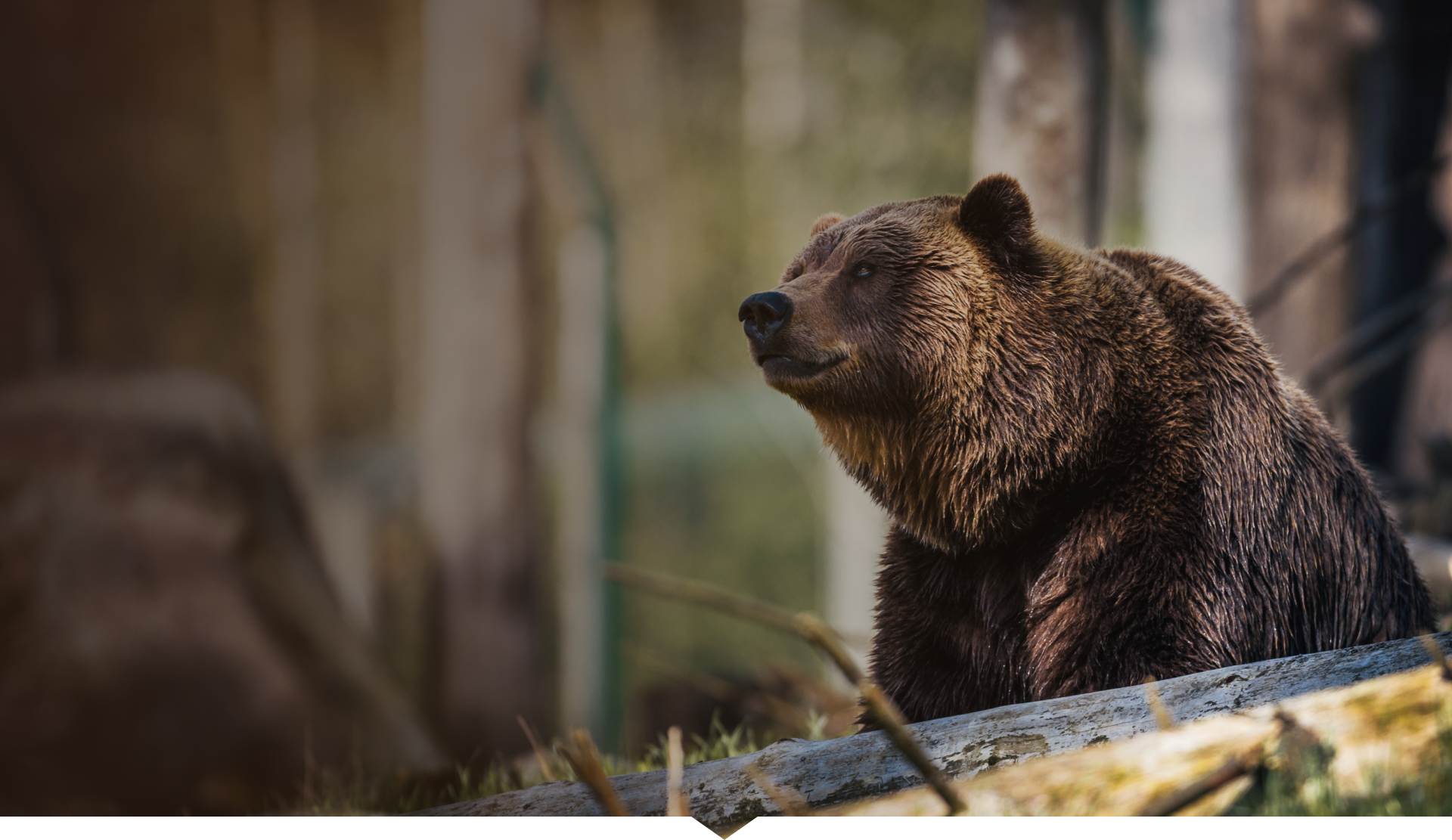
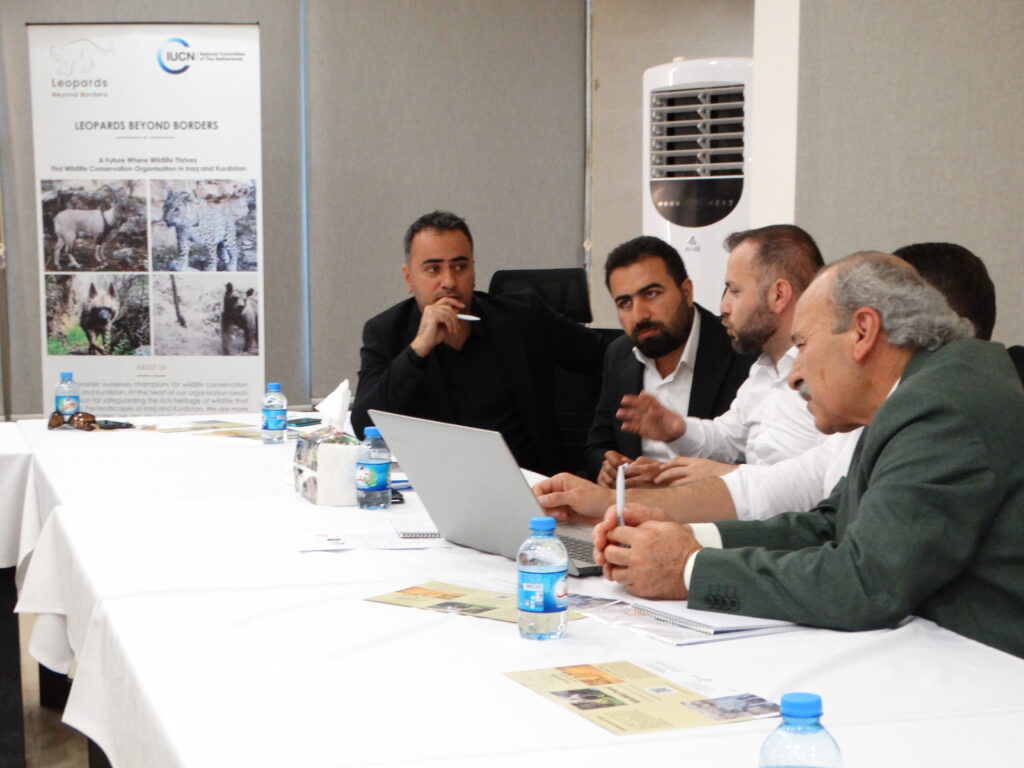
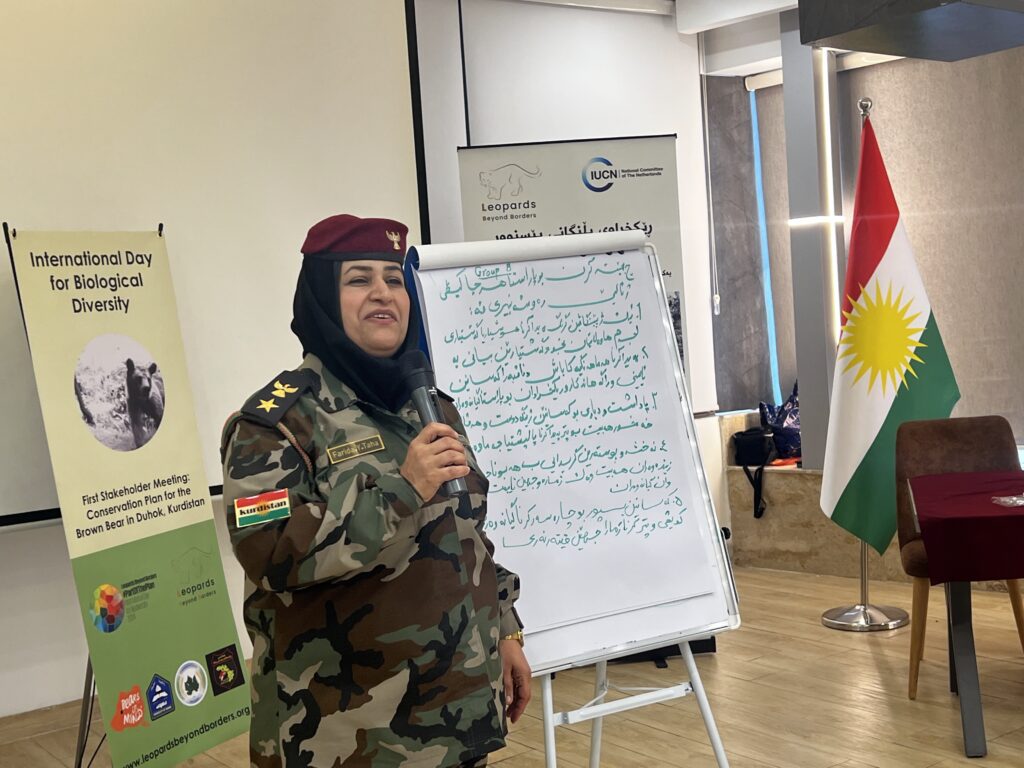
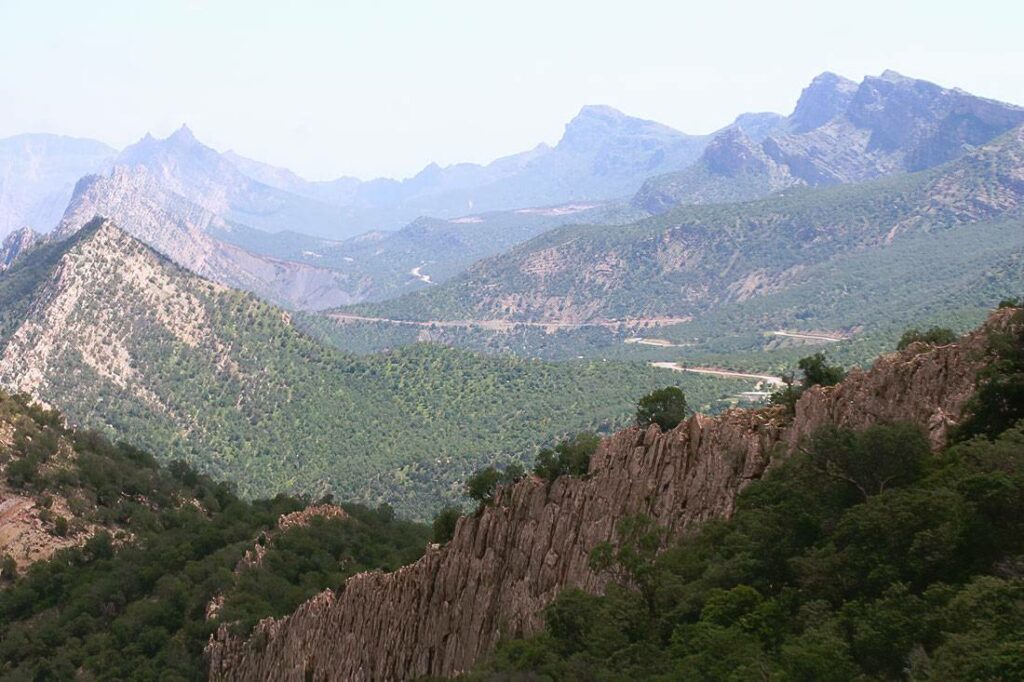
The brown bear (Ursus arctos) population in the Middle East is one of the rarest, most threatened, and least-known large carnivore species. Regarded as a unique subspecies by some researchers (U. a. syriacus or Syrian brown bear), this population is classified as Endangered by the IUCN. In Iraq, the brown bear has been overlooked in terms of research and conservation efforts, despite facing significant threats from illegal hunting, habitat destruction and fragmentation, human-wildlife conflict, and many years of military activities within its last remaining habitats along the border with Turkey, Syria, and Iran.
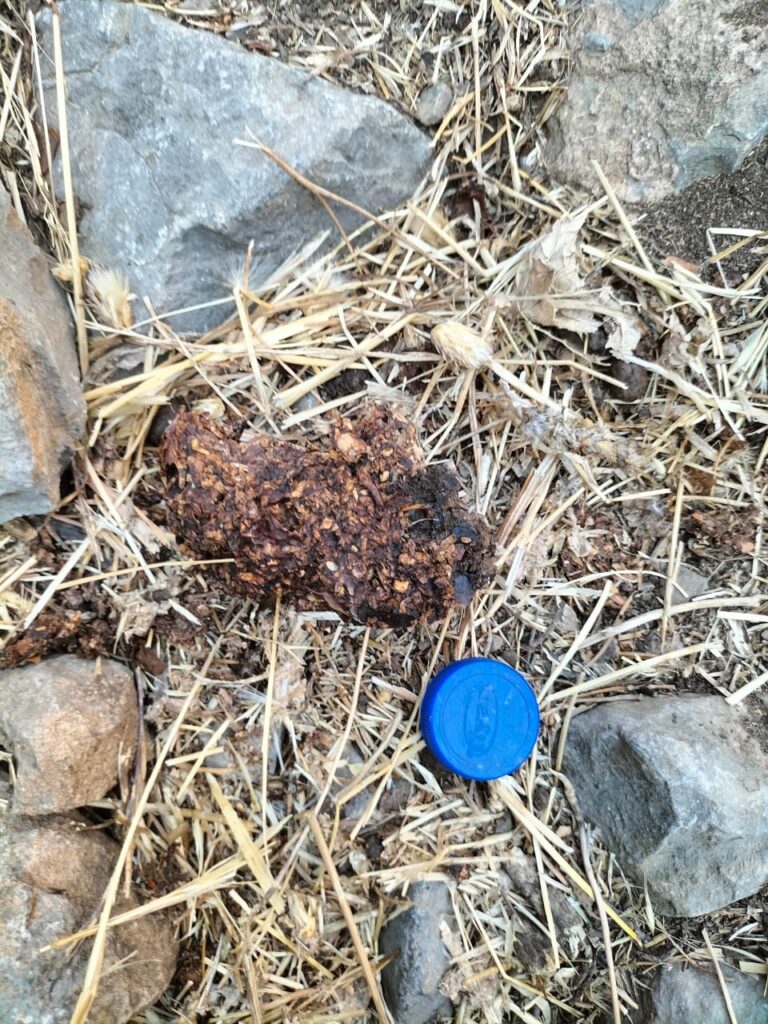
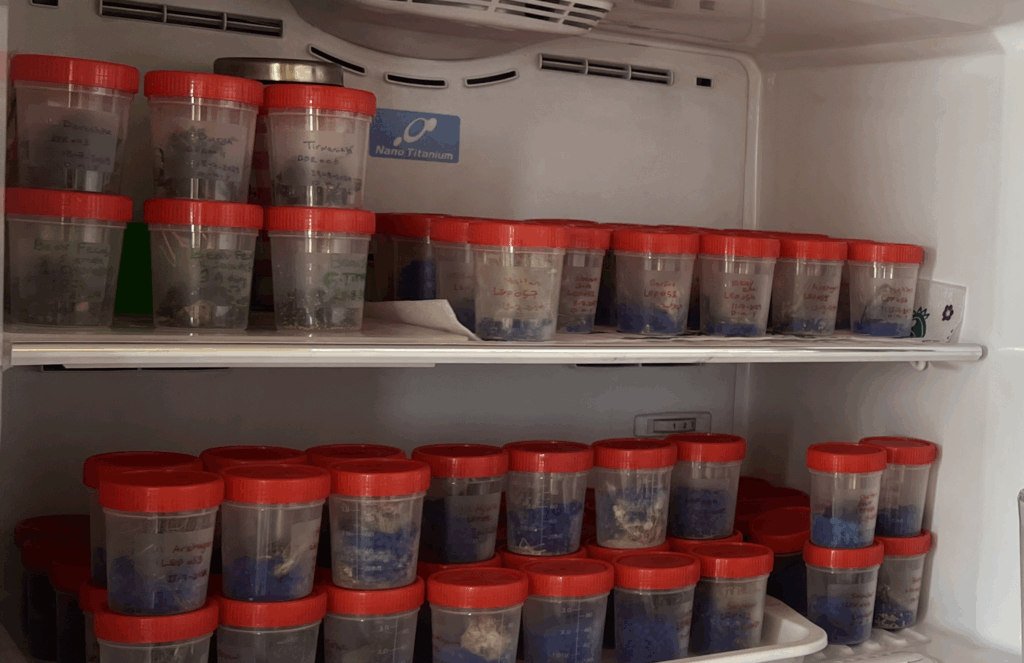
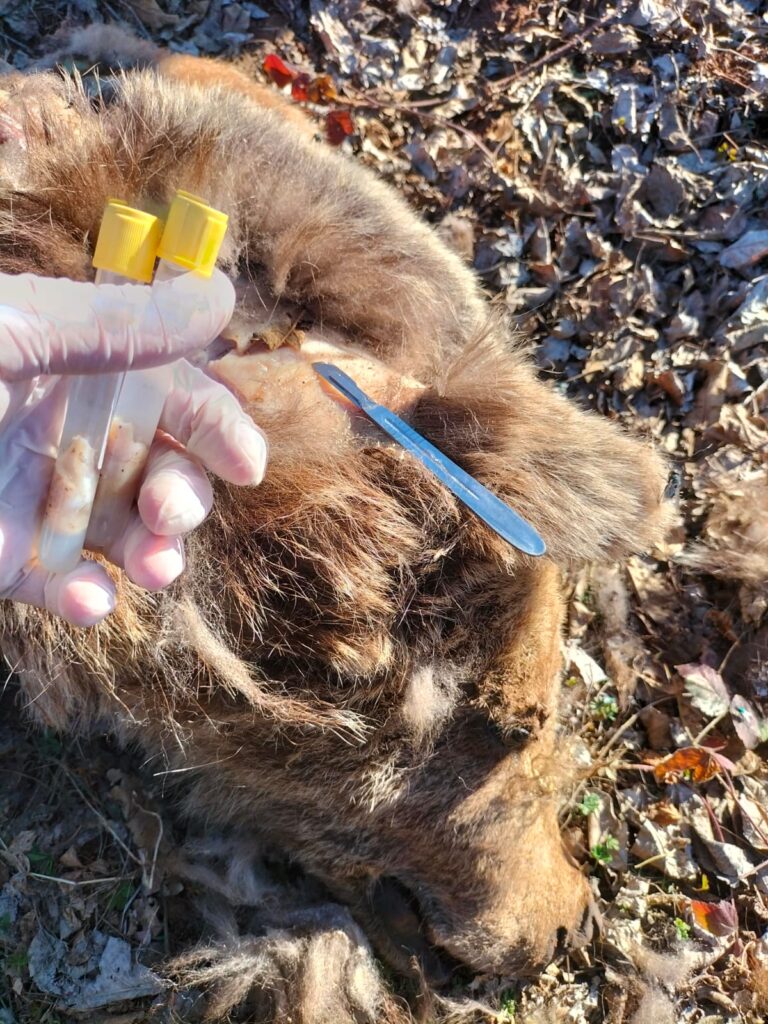
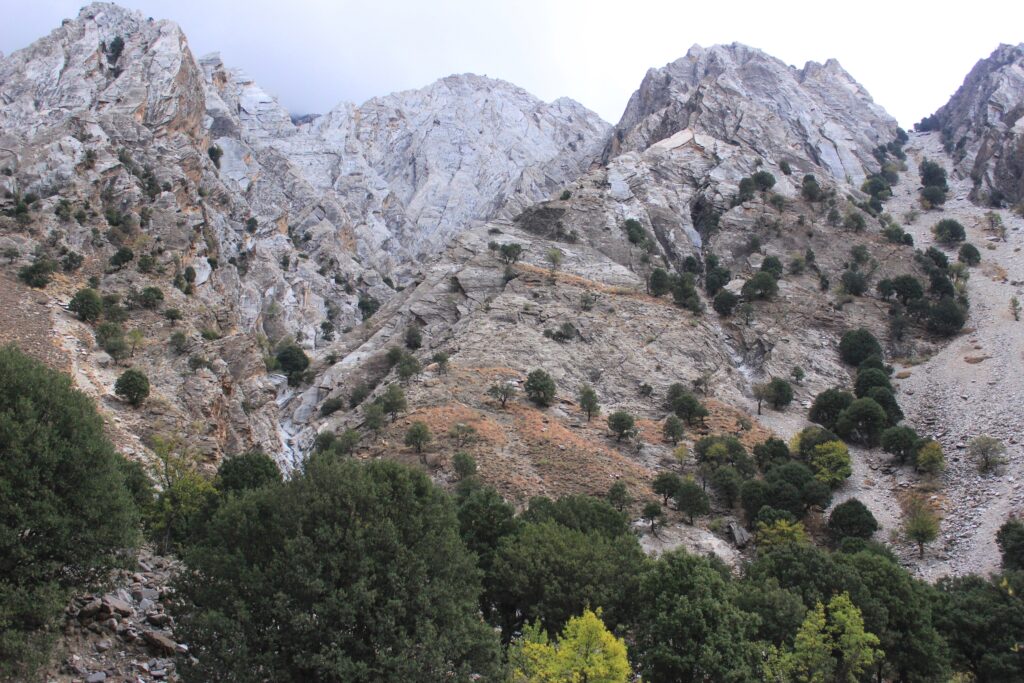
This project by Leopards Beyond Borders, financially supported by Bears in Mind since 2024, aims to address the conservation needs of the brown bear population in Iraqi Kurdistan through two main components. Firstly, it aims to gather citizen-science data for a robust analysis of the brown bear distribution and population status in a priority area to: a) recommend suitable habitat for the bear in the study area, and b) identify key areas for bear-related conflict mitigation measures. Secondly, it aims to implement a comprehensive awareness campaign targeted at the importance of the brown bear as a keystone species and mobilising public and governmental support for their conservation.
Brief history The famous Český Krumlov castle in the Czech Republic is a well-known UNESCO World Heritage site. One of its characterizing features can be noticed from the outside, as it is decorated with ostentatious coats of arms of the lords of the Rosenberg family, with the sign of the five-petalled rose against a silver background and bears as shield bearers. According to Rosenberg family legend, the Rosenbergs were related to the noble Italian family of Orsini. “Orsa” means bear in Italian, and it is this animal motif that the last rulers of Rosenberg in particular used to demonstrate their relationship with the house of Orsini. They used the motif in their coat of arms, which depicts two bears as shield bearers. This alleged relationship would endorse the antiquity of the House of Rosenberg and lead it to its roots in ancient Rome. The depiction of these bears gave birth to an ancient-old tradition of keeping bears at the castle.
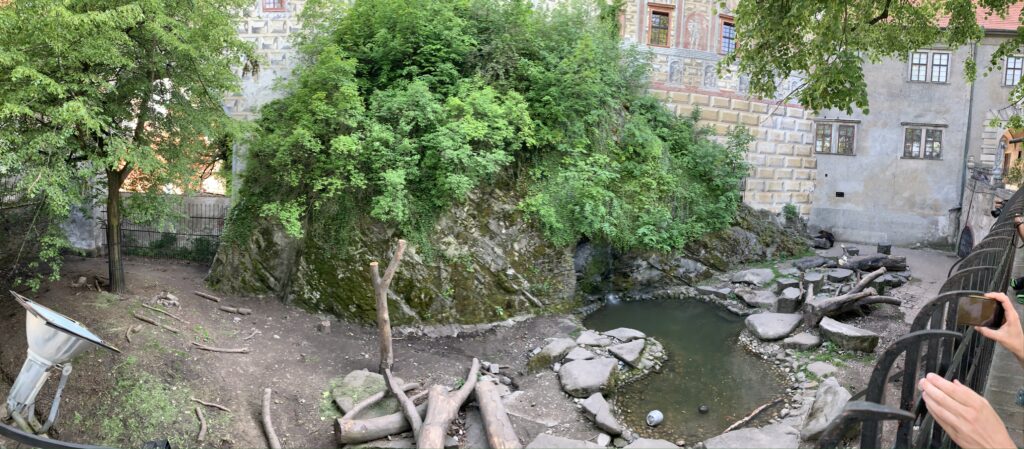
Bears Vilem and Polixena are being kept in the larger of the two moats of Český Krumlov castle.
Bears from Český Krumlov It is not known when the first bears were kept as so-called castle bears in former Bohemia (a former part of the Czech Republic). But it is known that the first bears were kept at Český Krumlov castle from the second half of the 16th century, dating back to the time of Wilhelm von Rosenberg. It is not known where the bears were housed in or near the castle at the time. It could not have been in the current moat, as it was not built until the beginning of the Thirty Years’ War, around 1620. The first records of keeping bears in the moat date from 1707, there were four of them. Bears were kept in the moat continuously from the 1730s to the 1790s, although no animal could be found in the first half of the 19th century. It was not until 1857 that Karl zu Schwarzenberg of the Orlík family obtained some bears from Transylvania (Romania) for Johann Adolf II zu Schwarzenberg. Besides the fact that bears were born in Český Krumlov castle, the number of animals was maintained by purchasing them from zoos, as well as by donations from famous aristocrats. From 1887 the moat remained uninhabited for 20 years. In 1907, Prince Sigmund Schonburg-Waldenburg zu Schwarzenberg presented two bears named Ruschi and Ajax to Český Krumlov, brought from the grounds of Kynžvart castle. The first bear lived until 1930, the other until 1935. After that, the moat has always been inhabited by bears, until present times.
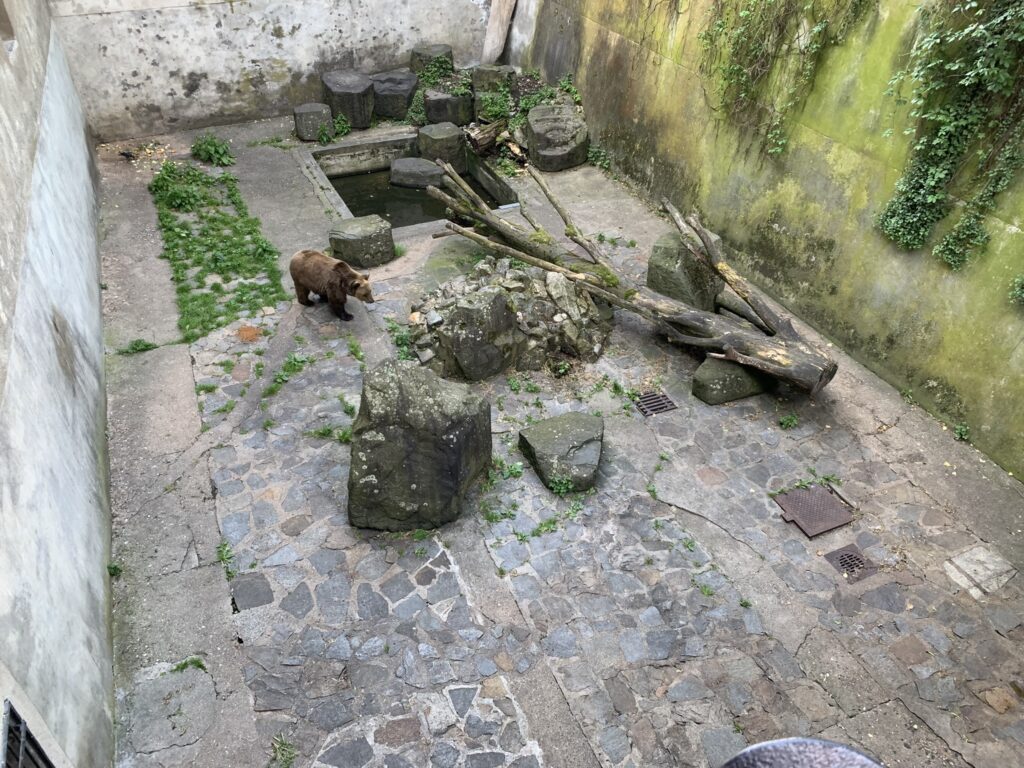
Oder female called Marie-Terezie is kept in the smaller part of the castle moat..
Bear Alert notifications In addition to bears in the moat of Český Krumlov, bears were and are also kept in moats at other castles. Over the years, Bears in Mind has received many reports via Bear Alert, usually by tourists visiting the castles. Around 2010, an attempt was made to draw attention to this phenomenon in the Czech Republic, but no solution was found. At present (2025) there are three brown bears in Český Krumlov and two brown bears at Točník castle. The so-called medvědárium in Zámecký park in Kladno has two brown bears. In addition, there is a brown bear in the medvědárium in the city park of Beroun.
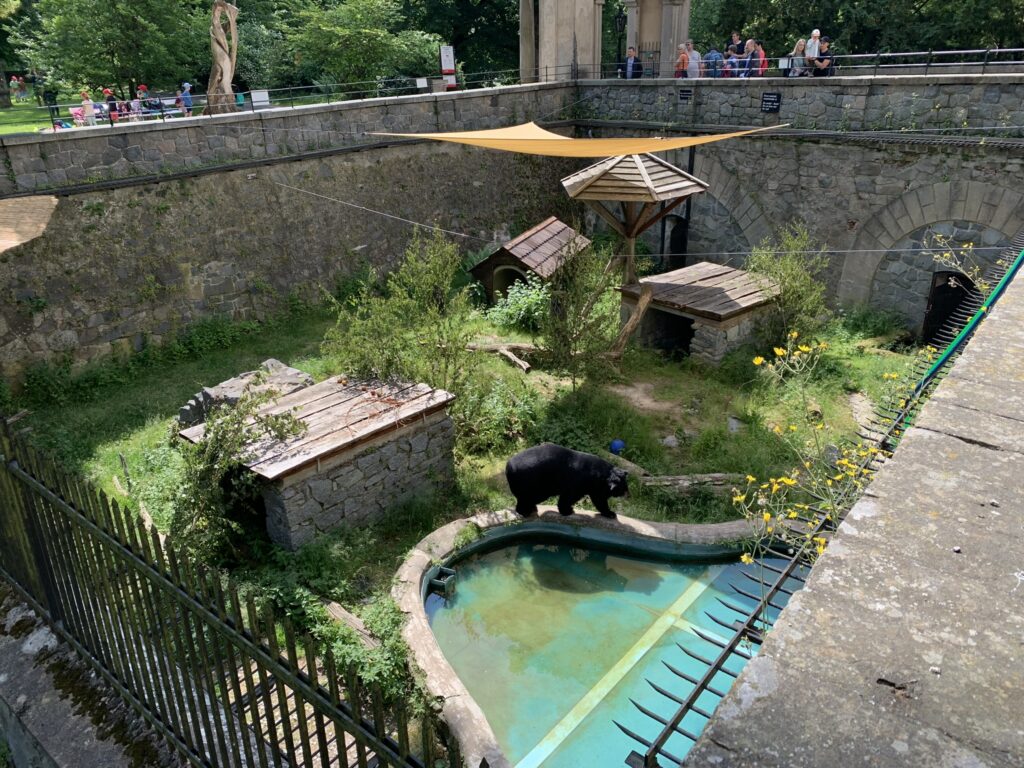
Asiatic black bear male called Jirka, kept in the moat of Konopiště castle until December 18, 2024.
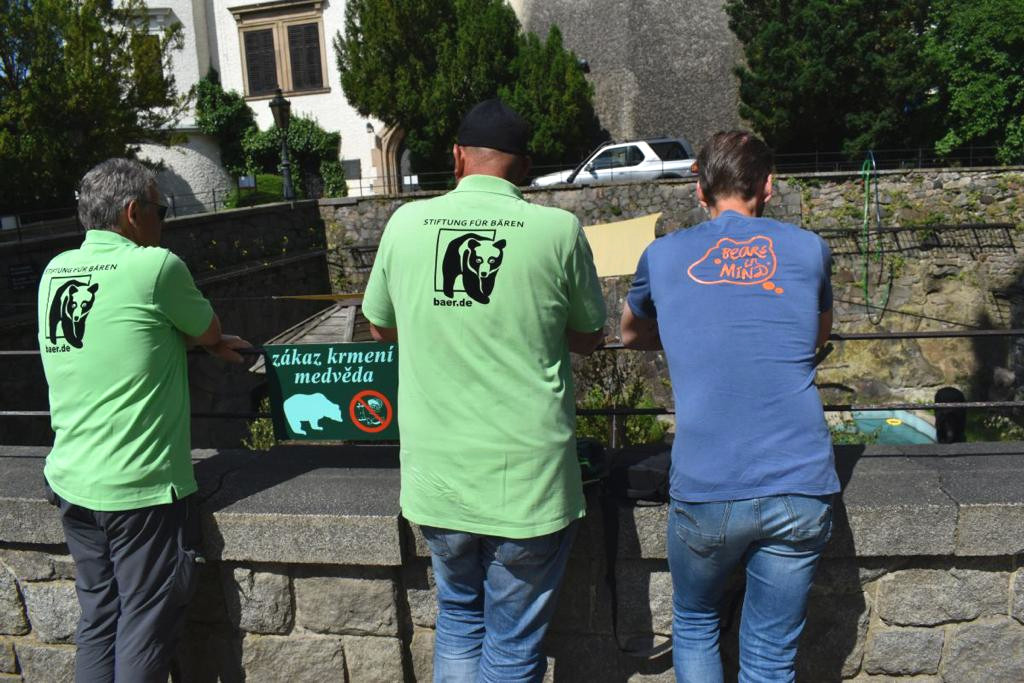
Since 2021, we have actively picked up again and started investigating the situation with the local Czech partner and our German colleagues from Foundation for Bears (Stiftung für Bären), how to gradually end this phenomenon and work towards better welfare for these bears.
Team work, works!
We have had conversations with the local partner, with the castle managers and with the responsible person within the National Heritage Institute (NPU). This institute falls directly under the Ministry of Culture and is responsible for the management of Czech monuments and castles (and therefore also the bears!). We had a successful first meeting with Mr. Pešek, where we presented our organizations, presented and handed-over the petition, shared our views and proposed solutions (e.g. relocation of all bears to proper sanctuaries in Germany and The Netherlands). Local tradition is an important motivation in this, why there are still bears kept (legally) in this way, unlike the rest of Europe.
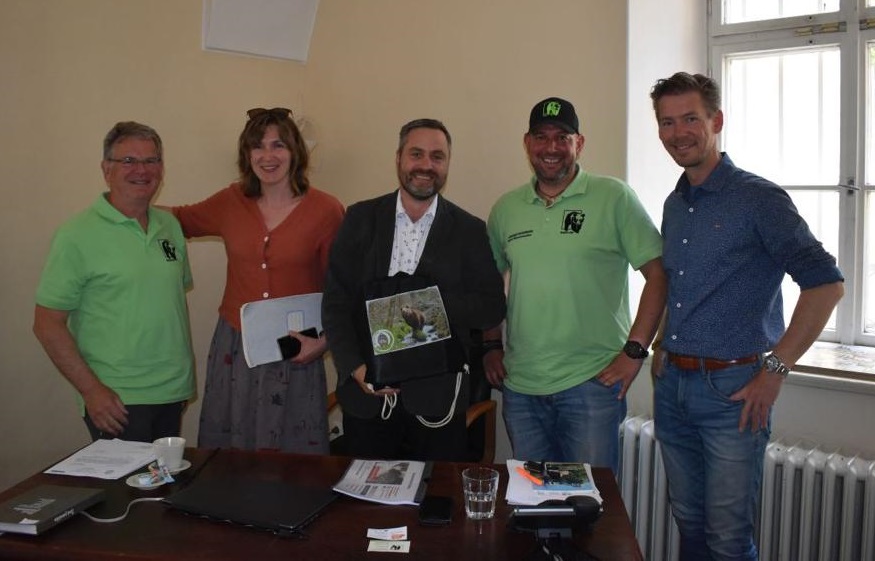
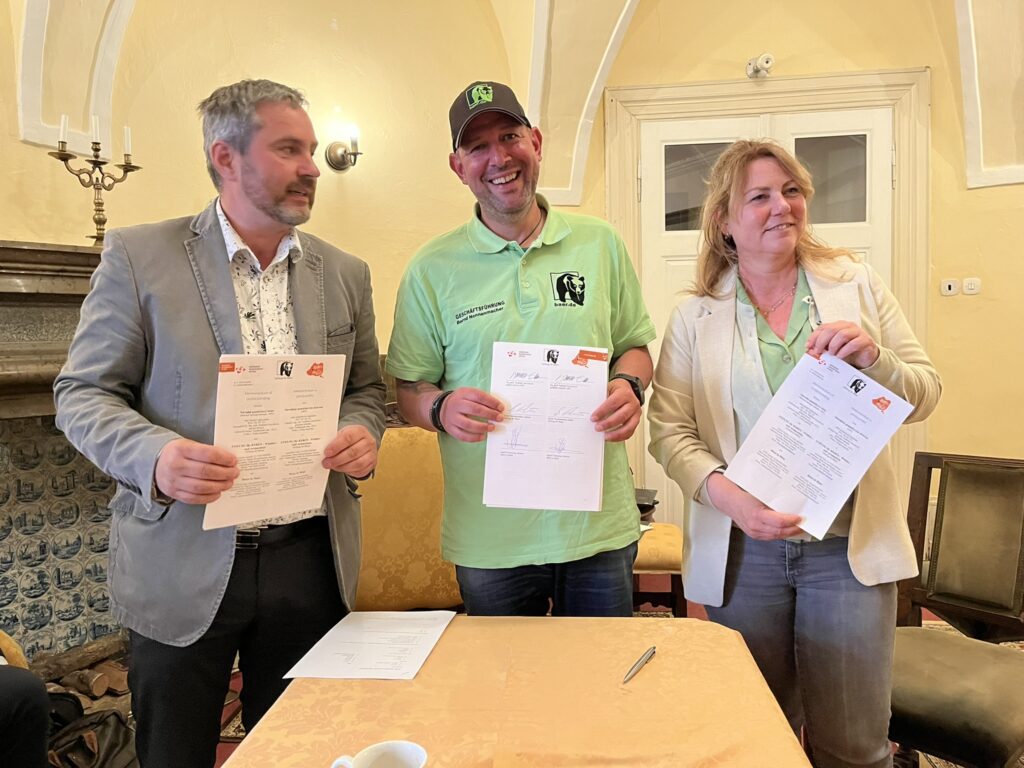
FLTR: Rüdiger Schmiedel (St.f.B.), Eva Filipczyková (CZ project leader), Oldřich Pešek (Deputy Director General – NPU), Bernd Nonnenmacher (St.f.B.) and Koen Cuyten (Bears in Mind)
In collaboration with the owners, the responsible institutions and authorities, we look into improving the lives of the bears. Important in this regard is, among other things, conducting sound research such as visitor interviews at the various castles, to gain insight into the opinion and motivation of visitors regarding the captive bears. Both local Czech visitors and international tourists. A thorough reseach project by a MSc student from the Czech University of Life Sciences (CZU) was done in the summer of 2024, funded by Bears in Mind.
UPDATES
On May 14th 2024, an important meeting between the coalition took place. The goal was to get consensus on the plans above, officially sign a Memorandum of Understanding.
Oldřich Pešek (Deputy Director General – NPU), Bernd Nonnenmacher (St.f.B.)and Ingrid Vermeulen (Bears in Mind)
Thanks to our collaboration with the NPU and our joint effort, Asiatic black bear Jirka (which used to be kept at the Konopiště castle moat in an area of 266 m² – minimum legal requirement is 300 m²), was moved to Ostrava Zoo (CZ) on December 18, 2024. Ostrava Zoo has a forested enclosure for Asiatic black bears of approximately 1 ha, which contains, next to a natural forest, also a lake and many possibilities to hide. Jirka will be sharing this enclosure with an older male Asiatic black bear and a group of northern plains gray langurs (a type of monkey which lives in the bears’ natural environment). Jirka has already met the monkeys during his 30-day quarantine. Now Jirka’s quarantine is over and below is a video of Jirka’s first moments in the main large outside enclosure, where trees got his special attention. We believe that the professionality of Ostrava Zoo, together with the size and possibilities of Jirka’s enclosure, will benefit his mental and physical health significantly.
On January 23rd 2025, bear Ludvik who lived at Náchod castle, was euthanized due to a severe illness. He was 33 years old. His female companion Dáša died two years ago. There are no more bears at Náchod.
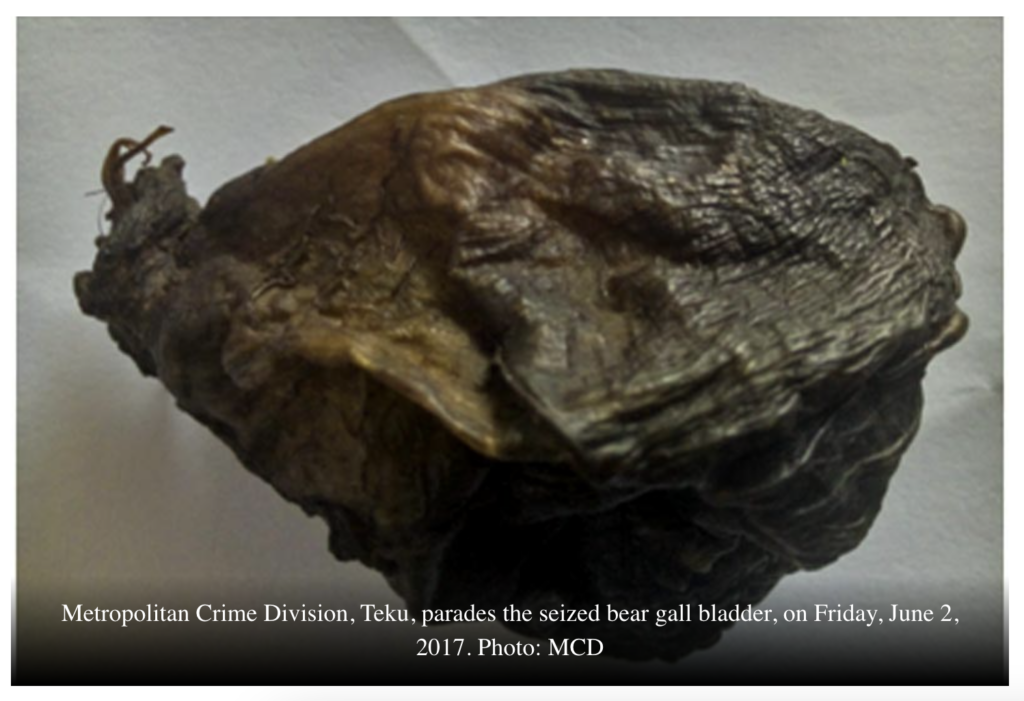
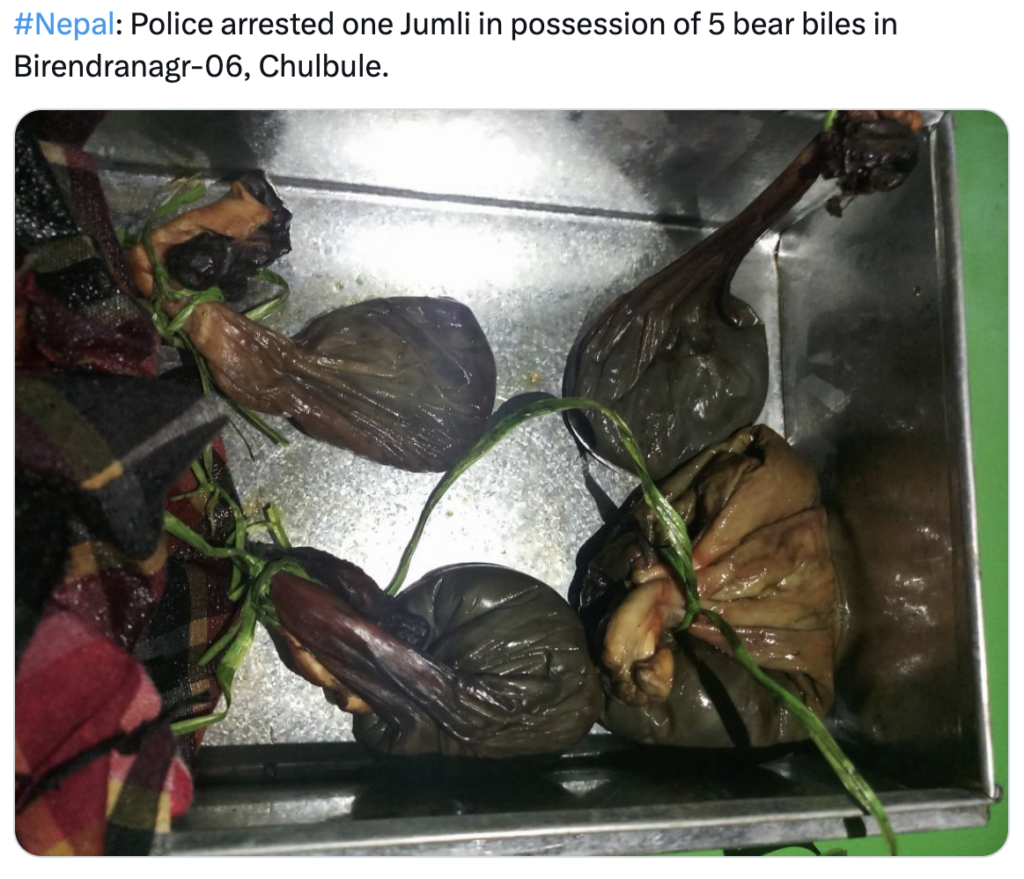
Illegal wildlife trade is an emerging conservation threat to biodiversity. It is most prominent in developing countries with limited capacity to address illegal trade and regulate legal sustainable trade regulation. Bears are mainly traded for their gall bladder, which is used to treat different medical ailments linked to medicinal traditions. For example, to treat several diseases by the Shoka tribe in India. Or in Traditional Chinese Medicines where an extensive illegal trade into China fuels the use to treat gallstones, liver problems, fever, heart diseases, and eye irritation. But also in traditional Ayurveda and Tibetan medicinal traditions for instance. Following the rampant use of bear bile, and its clinically proven treatment of liver diseases due to the presence of ursodeoxycholic acid (ursodiol), commercial bear bile farming started in the 1980s. The vulnerable Asiatic black bears (Ursus thibetanus), known as Moon bears, Sun bears (Helarctos malayanus), and Brown bears are preferably farmed for bile. This is more prevalent in China where the use of bear bile from captive bears is legal (although, illegal to extract bear bile from wild bears).
Nepal falls between India and China, the two big consumers of traditional medicinals (e.g., Traditional Chinese Medicines in China; Ayurveda in India). Nepal also has consumers of traditional medicines including Amchi also called Tibetan medicinal practitioners, Nepali folk medicines, and Ayurveda; and have documented the historical use of bear parts as a cure for different ailments. There are reports that Nepal acts as a transit, sometimes a source, for bear trade. A recent study indicated Nepal as a transit for bear bile trade from India to China, while there is evidence of Nepal being both a transit and source country.
In this light, Bears in Mind supports this project bij Greenhood Nepal since 2023 to investigate the extent of the trade in Nepal and what measures need to be in place to ensure conservation of bears, as well as expose potential gaps.
A policy brief on bear trade based on data generated during the project, has been written by Greenhood Nepal. See below:
Gobi bears (Ursus arctos gobiensis) are endemic to southwestern Mongolia, where only 31 individuals remain. They have a highly male-biased sex ratio and are restricted to a ~23,600 km2 area in proximity to water resources. They have extremely low genetic diversity.
To conserve this extremely fragile population, further ecological studies, such as identifying dietary items, temporal shifts in diet, and niche partitioning with other species are needed to understand the limiting factors of the population. In harsh environments with scarce resources, such as the Gobi Desert, the coexistence of carnivores relies on the availability of a limited number of food items.
Researchers from Mongolia and the USA will try to answer important research questions:
Are these species directly competing for food resources, or do they coexist with the help of niche partitioning?
How do diet items change seasonally for Gobi bears and others?
Are there any differences on sexes and individual’s diet for Gobi bears and other carnivore species.
This study, supported by Bears in Mind since 2023, will help answer these questions and will provide important basic ecology data and also be directly relevant to the management and conservation of Gobi bears.
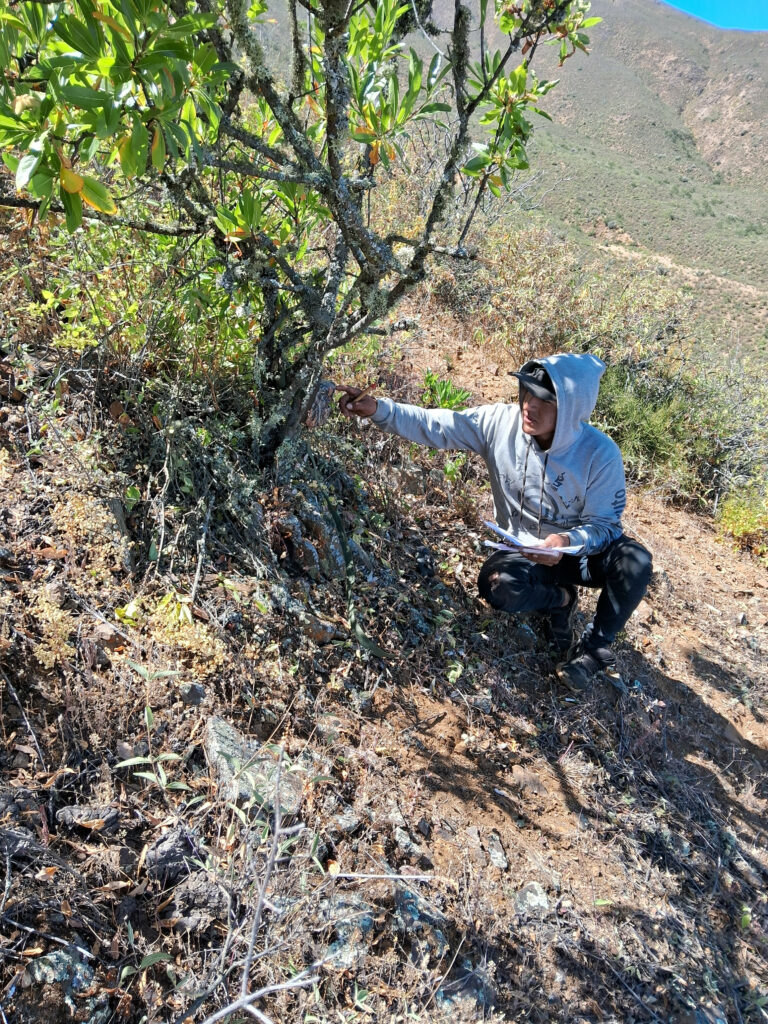
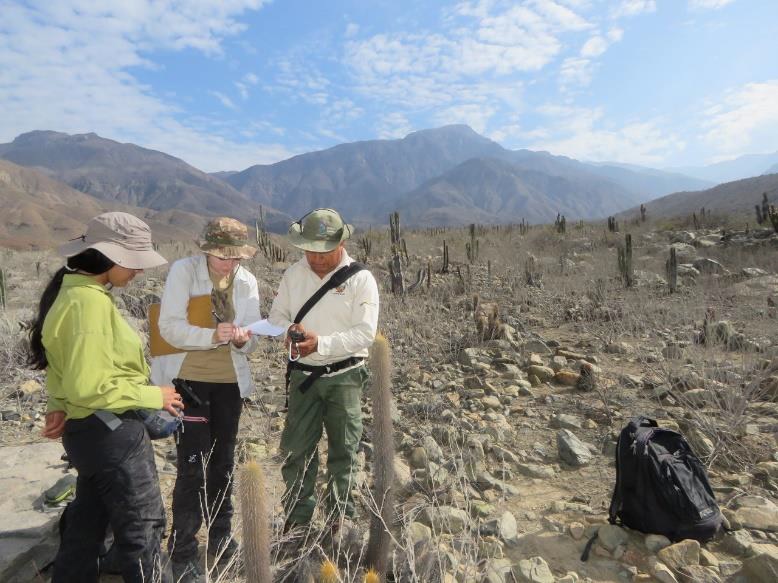
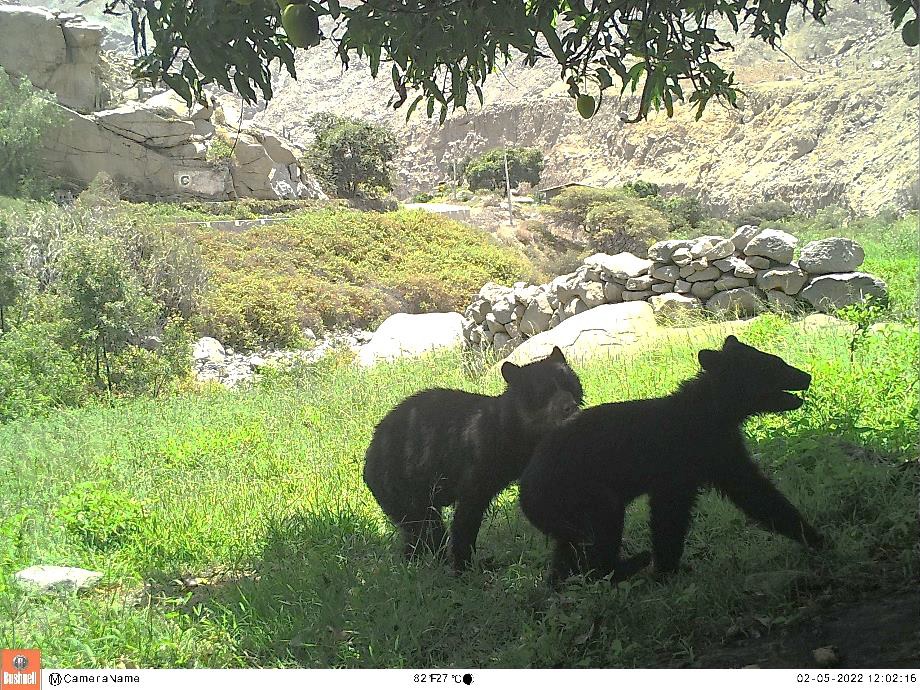
This project, supported by Bears in Mind since 2022, aims to assess the population and conservation status of the Andean Bear (Tremarctos ornatus) in Calipuy National Reserve in the La Libertad Region of Peru, in partnership with SERNANP-RNC (National Parks Service). The area is situated at the southern-most end of the Peruvian western Andes and consists of dry montane forest and coastal desert habitat, a unique ecosystem occupied by the species with little known about its populations and their habitat use. As a result, these populations are not recognised in the IUCN’s species range. With frequent bear sightings by rangers and locals in Calipuy, the population potentially represents the most southern species population of the western Andes and one of the last links to the Central Andean populations.
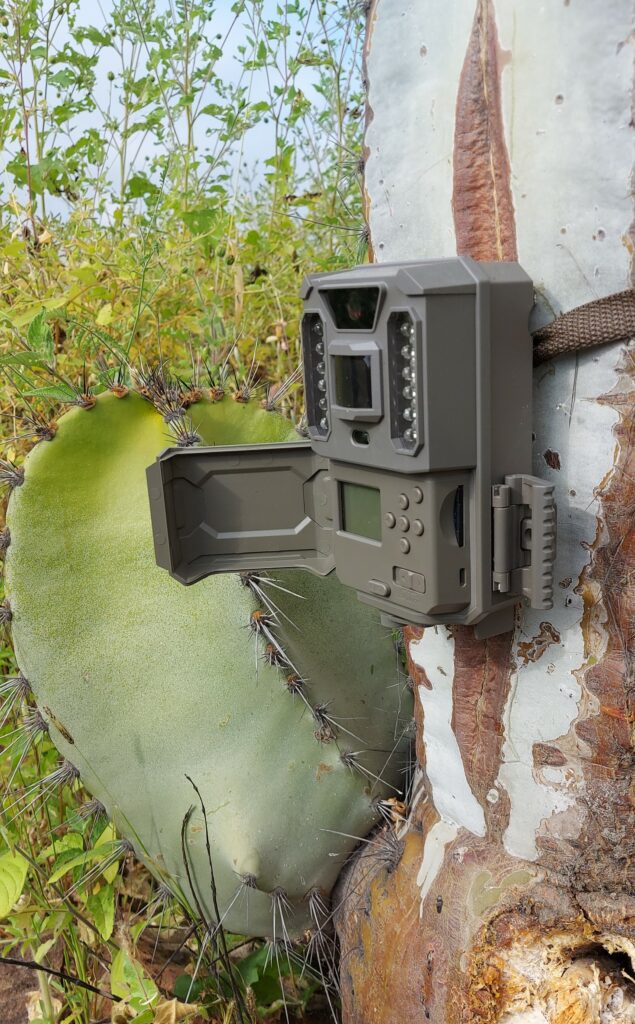
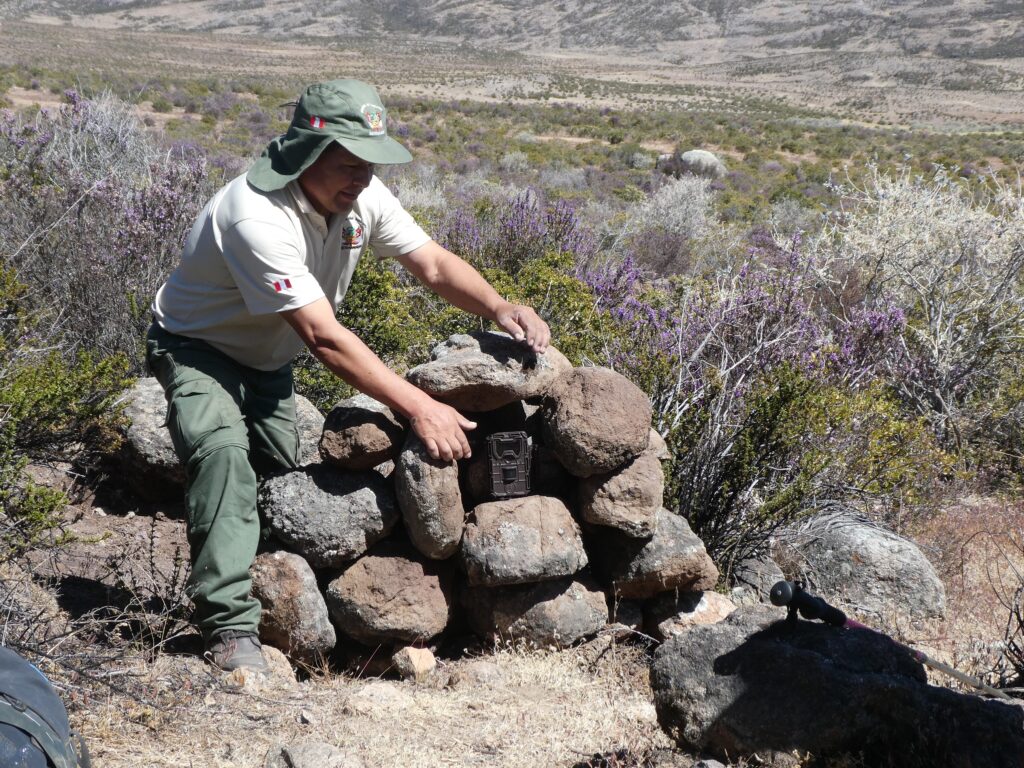
By training rangers in the use of camera traps, and with the help of their local knowledge, the team from Instituto de Investigación en Ecología y Conservación (IIECCO) aims to estimate the occupancy of the Andean bear along environmental and anthropogenic gradients within the reserve as well as describe their activity patterns. This information will enable the team to understand how these bears use the unique habitat and inform management plans specifically for coastal bear populations.
Photo copyright with: IIECCO, Calipuy National Reserve – SERNANP, NatureSpy, Idea Wild, and The Rolex Explorers Club Grant
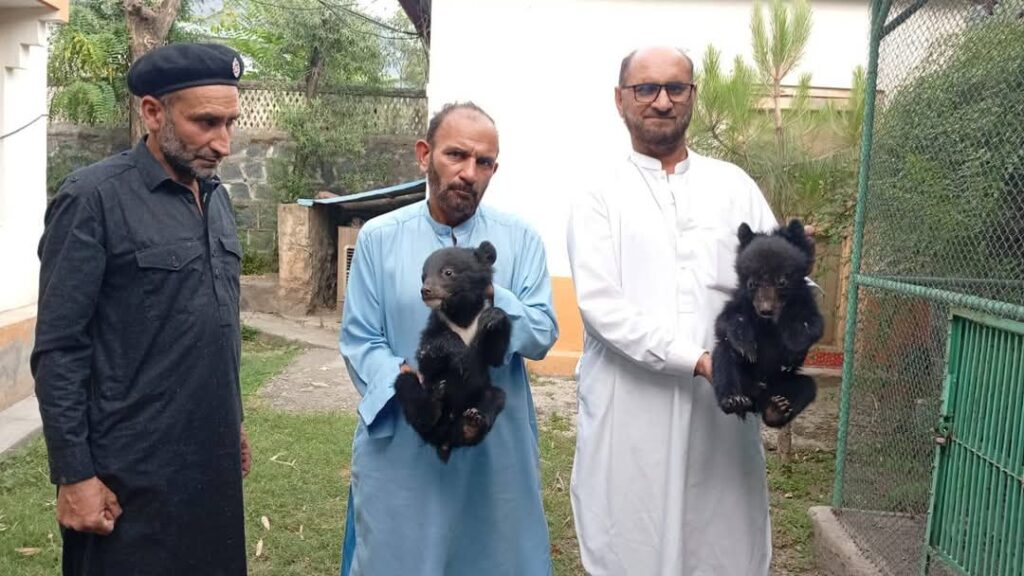
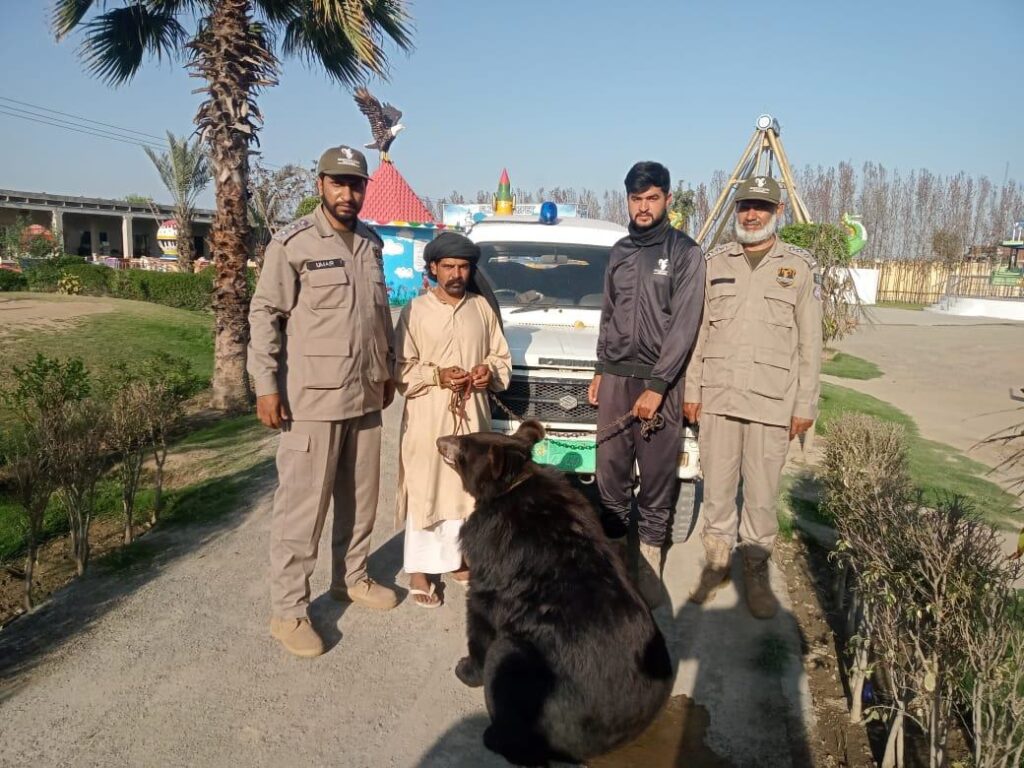
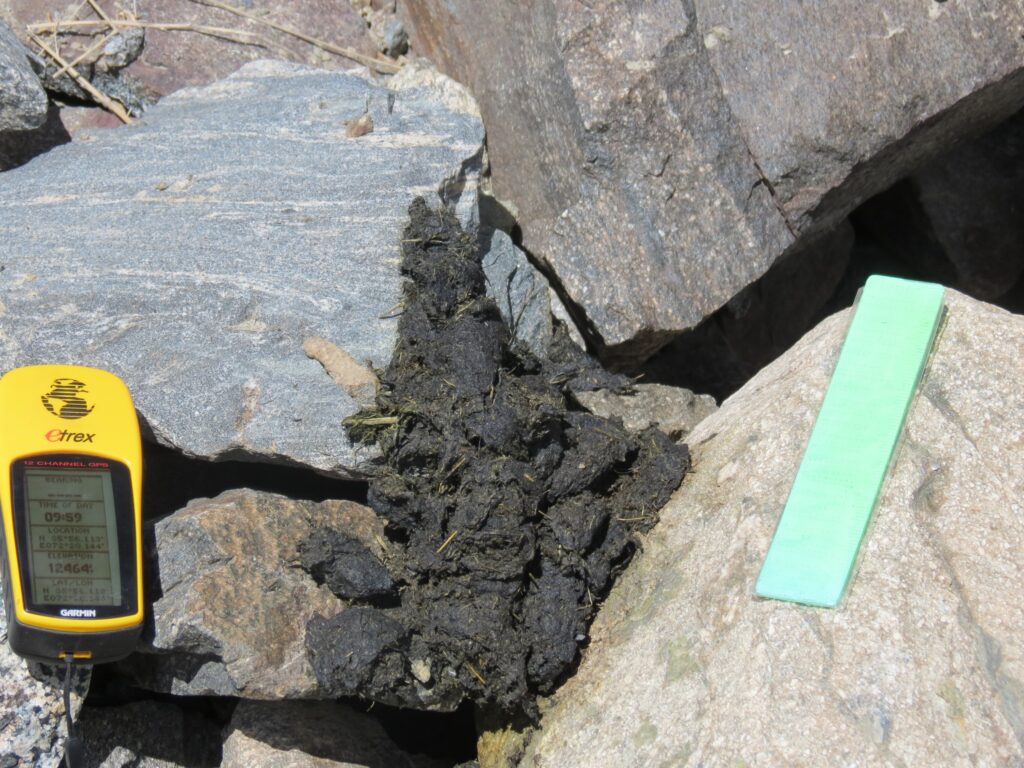
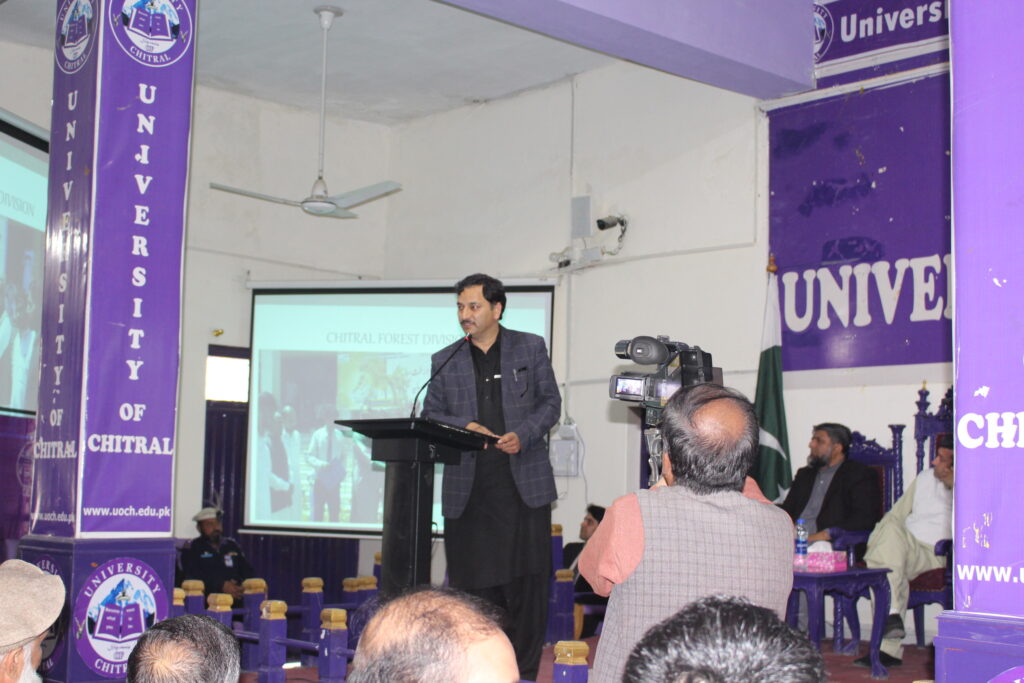
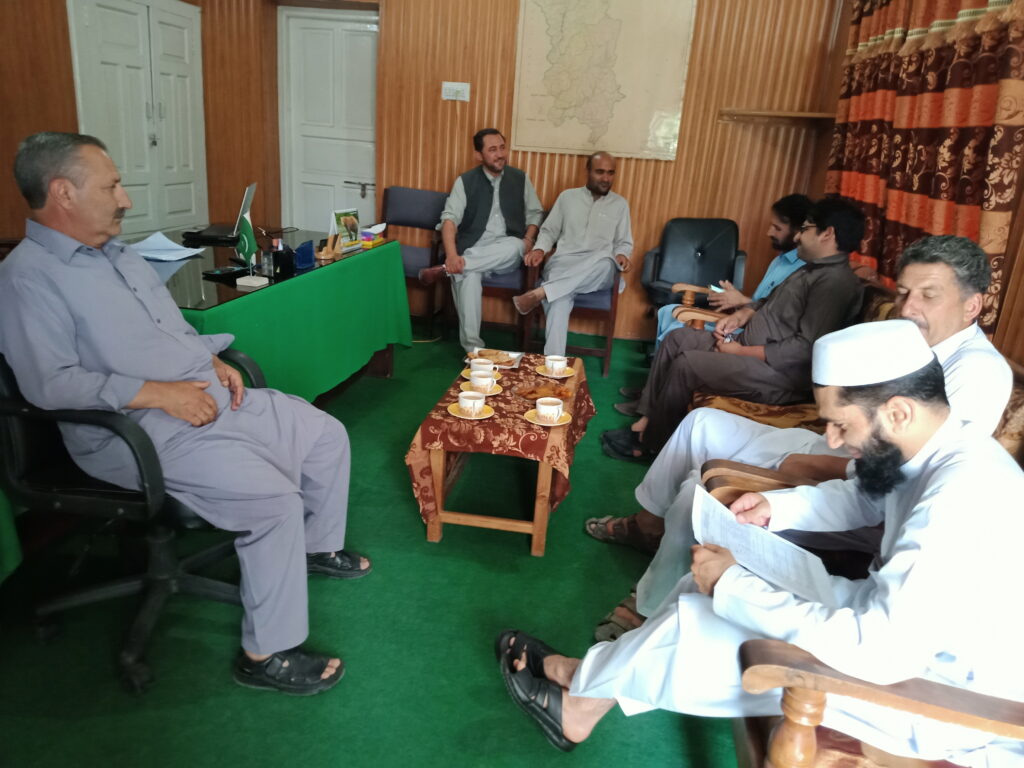
The main aim of the project that Bears in Mind is supporting since 2020, is to assess the population dynamics, developed management plan and implementation for the conservation of Asiatic Black Bear (ABB) and its habitat in district of Chitral, Northern Pakistan. Under the project “Population estimation and conservation of Asiatic Black Bear in potential in Hindukush Region Chitral Pakistan” the population field survey was conducted and based on the survey population distribution map for Chitral was developed and shared with other stakeholders. The market was assessed for the first time to get an overview on bear parts trade in the region. Stakeholders were consulted for ABB conservation. Human Bear Conflicts were assessed and the possible mitigation measures were also documented. For effective conservation of the ABB and its habitat, a management plan was jointly developed with the help of the local communities and other stakeholders. Activities were designed to reduce Human Bear Conflicts.
In Chitral district, the ABB remains the least studied and researched species, especially in the past three decades. Due to its unique geo-climatic conditions and ecology, Chitral district – more particularly the southern Chitral – provides ideal habitat for ABB to live in. However, due to lack of proper research, the potential of the region in terms of ABB, is unexplored.
Over the past two years, the Mountain Society for Research & Development Chitral has been implementing the project activities. The focus has been on:
Improved management of ABB habitat which integrates sustainable forest & land management and compatible conservation practice.
Participatory conservation to reduce Human Bear Conflicts and improve livelihoods of local communities.
Promote awareness and sensitization among the local communities and other stakeholders for the conservation of ABB (and associated biodiversity conservation).
Bears in Mind will continue the financial support in 2026 with the emphasis on strengthening efforts to control black bear baiting and capacity building of stakeholders in Rawalpindi, Punjab in Pakistan. This initiative is crucial for conserving black bears and enhancing protection efforts in areas where bears are captured for baiting, traded for their body parts, or rescued. Under this project, a nationwide survey on the status of bear baiting in Pakistan will be conducted, as stakeholders have emphasized the need for more detailed data on this issue. Additionally, capacity-building programs will be introduced for wildlife staff and other stakeholders to improve their skills in bear feeding, space management, rescue operations, and reporting bear-related incidents.
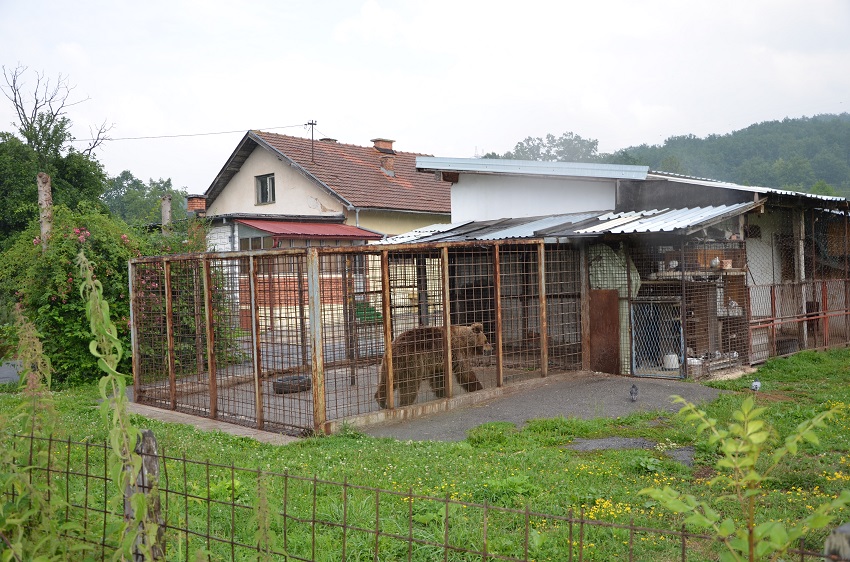
Following the successful registration of illegally and legally held bears in Bosnia and Herzegovina (Pašić and Trbojević, 2018), it is necessary to move to the second phase for the fulfillment of the main objective: development of a bear sanctuary in Bosnia and Herzegovina (BiH) to accommodate between 10-20 privately owned bears from within the country.
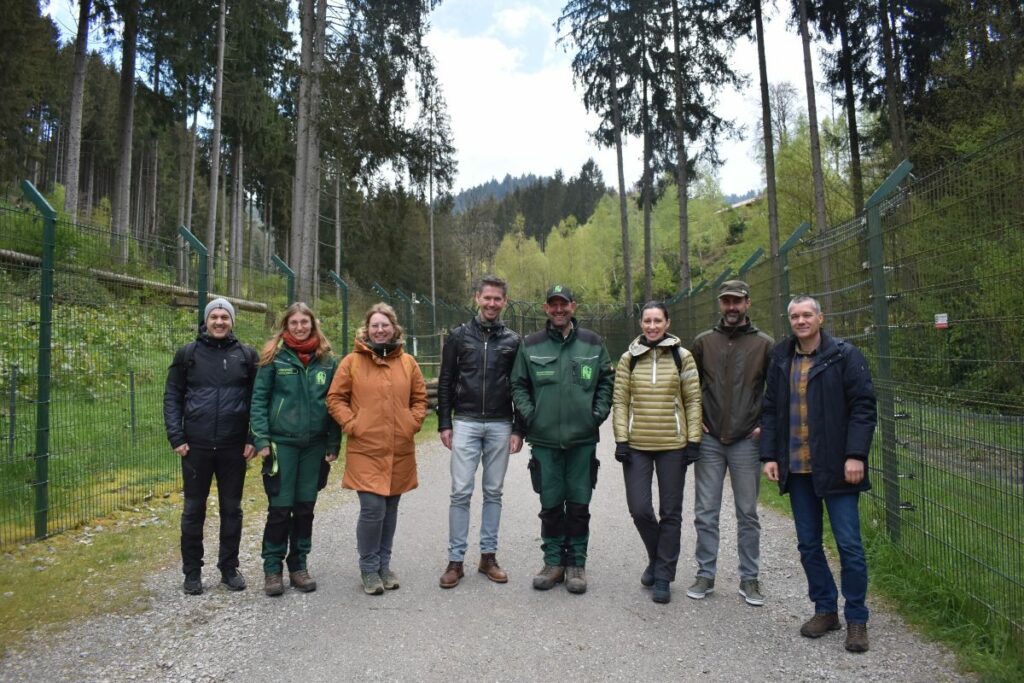
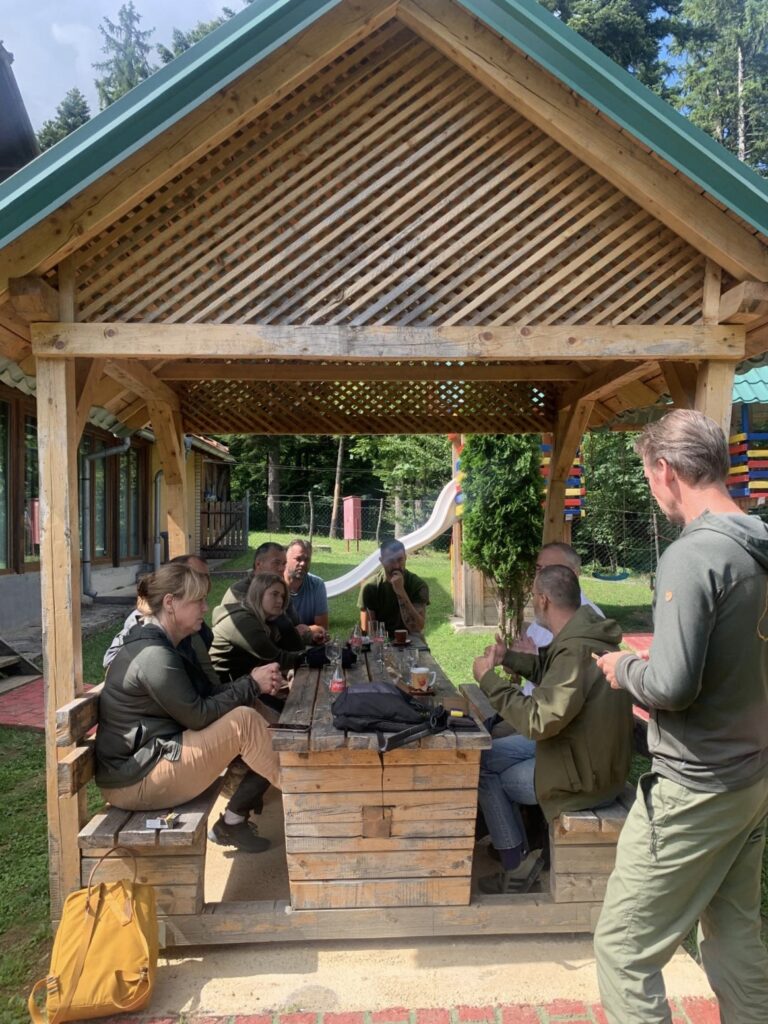
Bears in Mind has partnered with the Center for Environment (CZZS). This local Bosnian NGO focuses on the conservation of carnivores in the Balkan country, where bears take up a prominent role. Since the concept of a sanctuary for captive bears is new to BiH/ CZZS, Bears in Mind organized a two day excursion to a well-known bear sanctuary in the Black Forest in Germany. Operated by Foundation for Bears. The Bosnian group were representatives from governmental and non-governmental organizations, from the Republic of Srpska:
Mr Goran Zubić, RoS Ministry of Agriculture, Forestry and Water Management (Head of Hunting sub-Department),
Mr Sretko Stanković, Public Forest Company, JPŠ “Šume Republike Srpske” (Head of Department for Hunting, Nature Protection and Tourism),
Mr Dejan Radošević, Republic Institute for Nature Protection, and
Mrs Aleksandra-Anja Dragomirović, Head of Center for Environment.
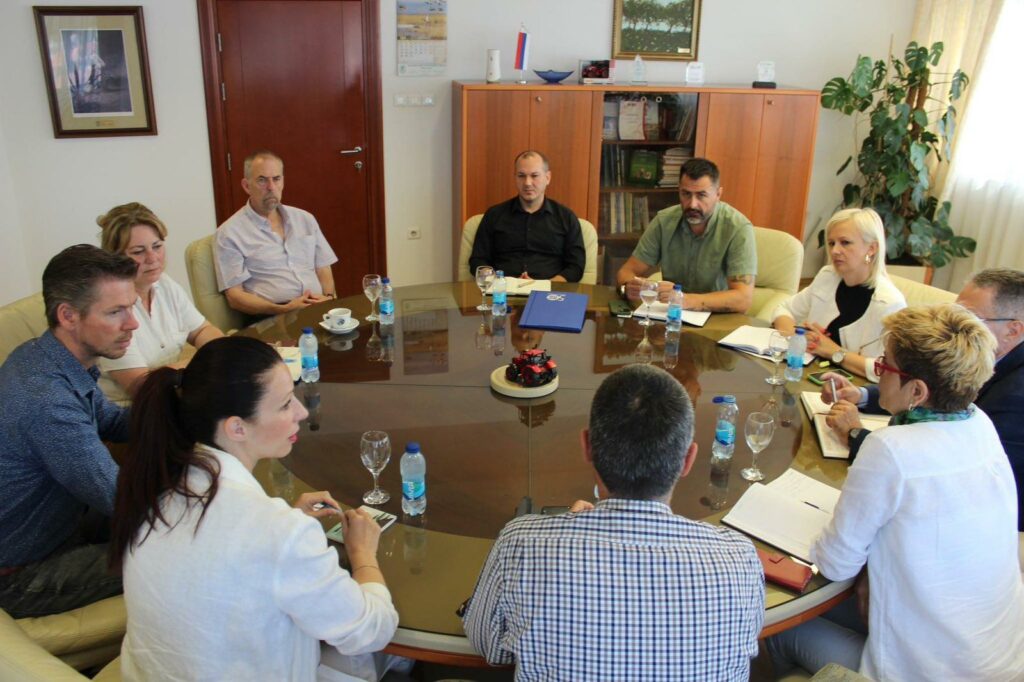
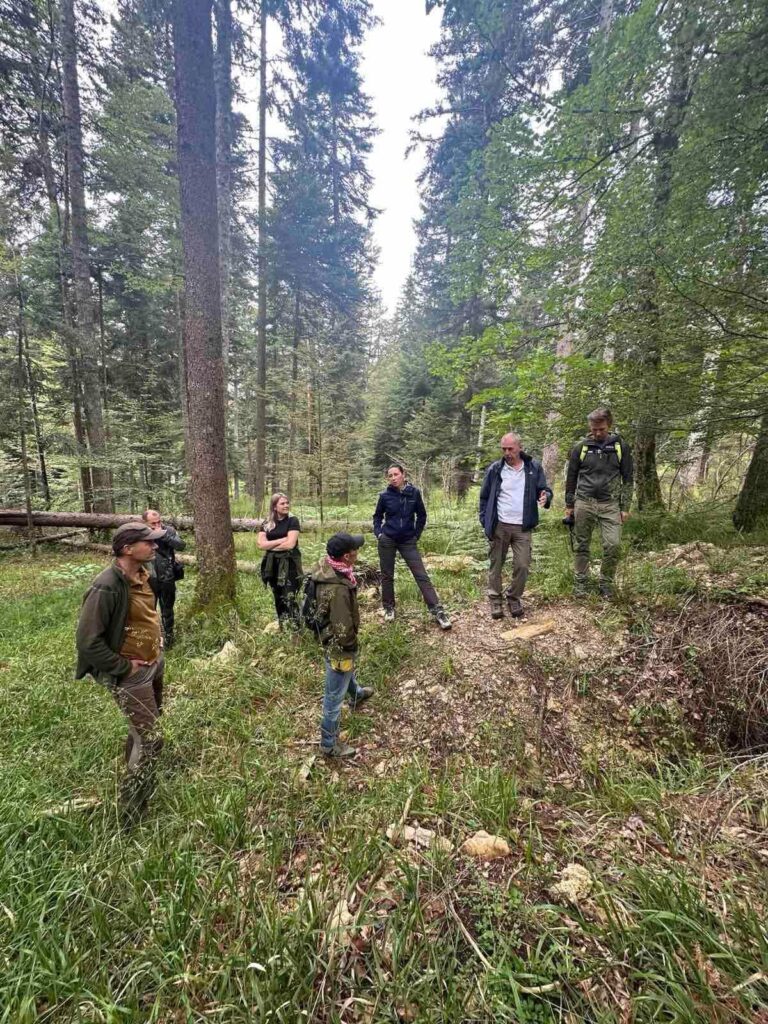
After having seen a very well designed and managed bear sanctuary in Germany, the coalition started making plans for a site visit in Bosnia. A possible site had already been identified by the Bosnian partners, located in a forested area in the western part of the Republic of Srpska: Drinic. Bears in Mind invited an independent consultant, Mr Douglas Richardson, as an expert on carnivore (bear) enclosure design. A visit to Bosnia followed soon, where we had meetings with the above group and the ministry that would be involved in the project. Everyone was very positive about this project and cooperation, an important step in the development towards a sanctuary.
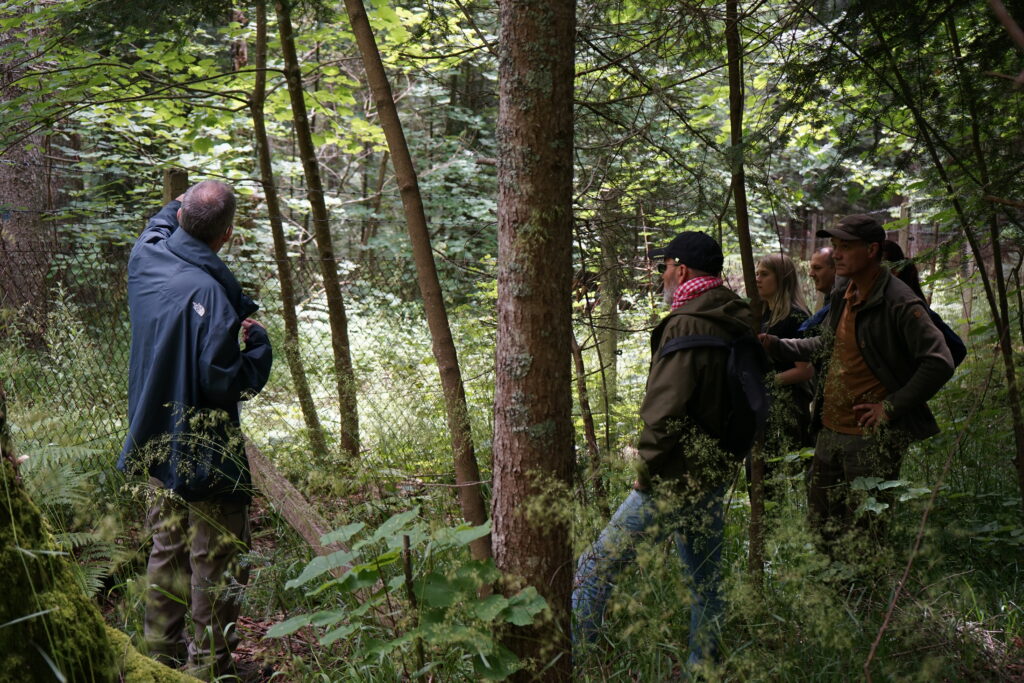
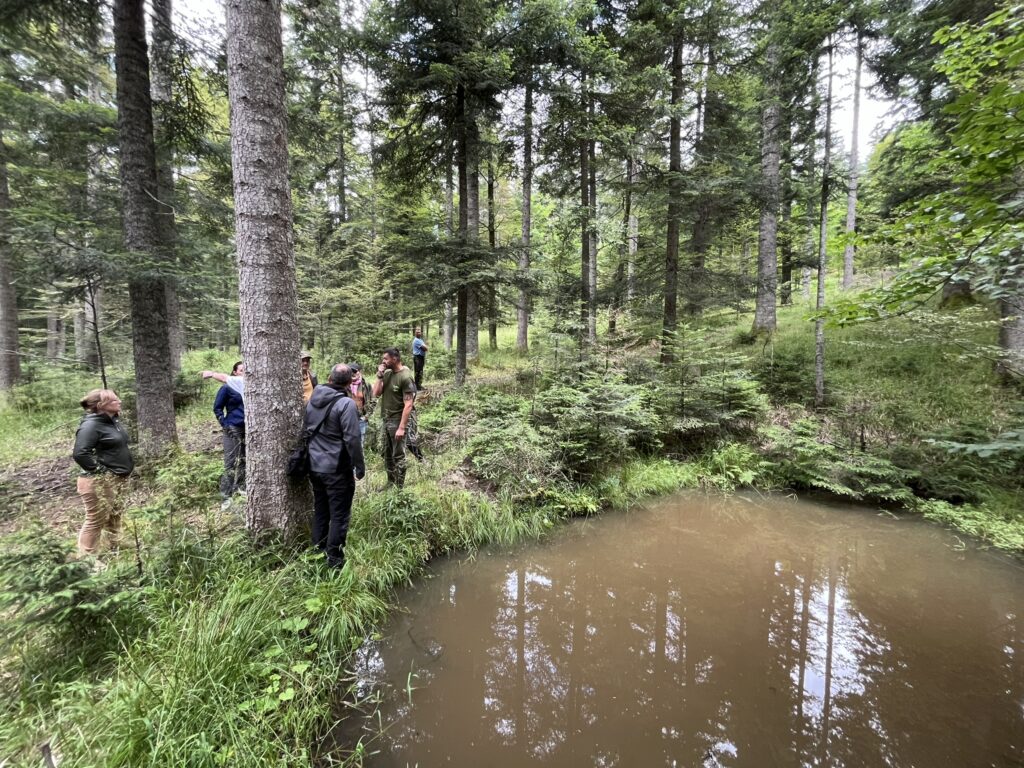
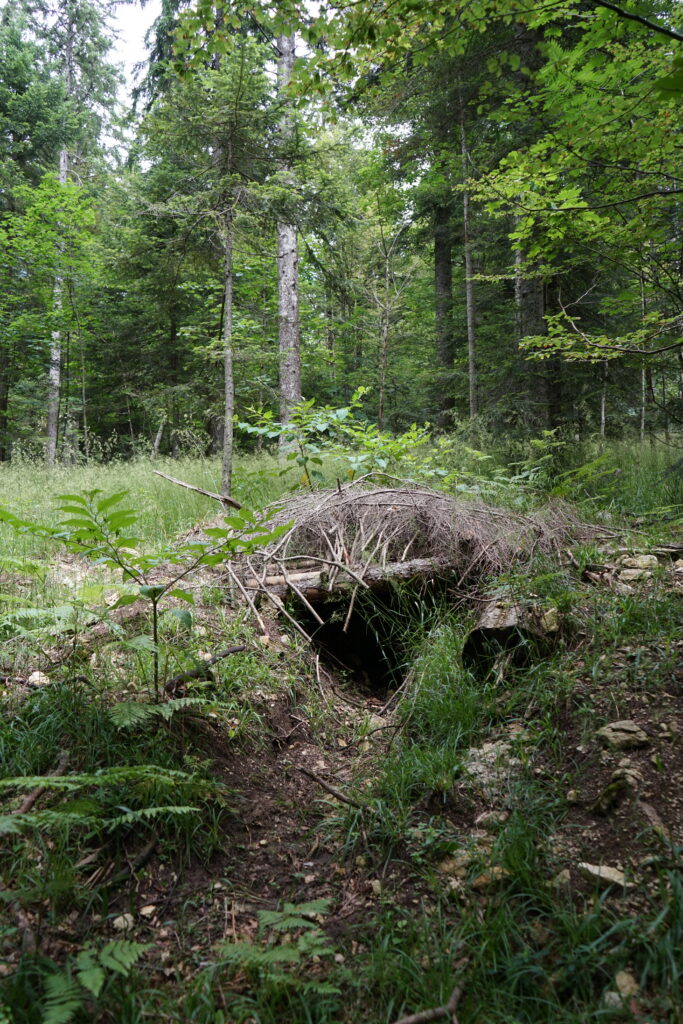
The group then visited the Drinic area where a proposed 7,5ha of forested are is marked as suitable for the development of the sanctuary. There are natural pools and several artificial dens already in place. There is also a deer fence surrounding the area, useful as a possible barrier to keep future visitors out!
After the site visit, we went to the CZZS office to put all our ideas on paper and make a rough plan for Douglas to work out. It was a very interesting afternoon and an inspiring process to work on! Next will be the creation of the plan, putting a number to it and look for contractors. Paralel to this, we will draw up several MoU’s between relevant stakeholders and governmental bodies (also the two entities that make up BiH: the Republic of Srpska and Federation of Bosnia Herzegovina).
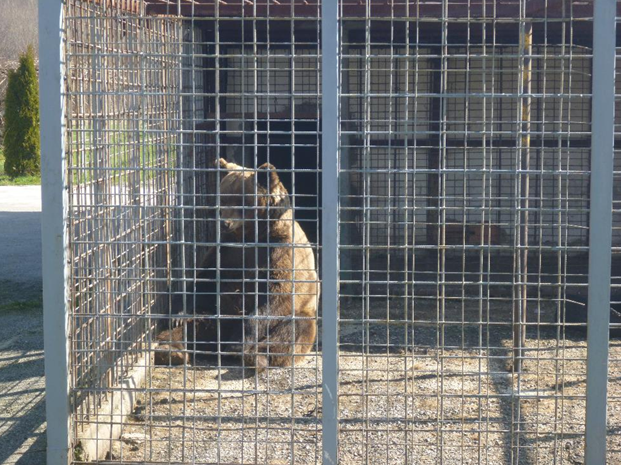
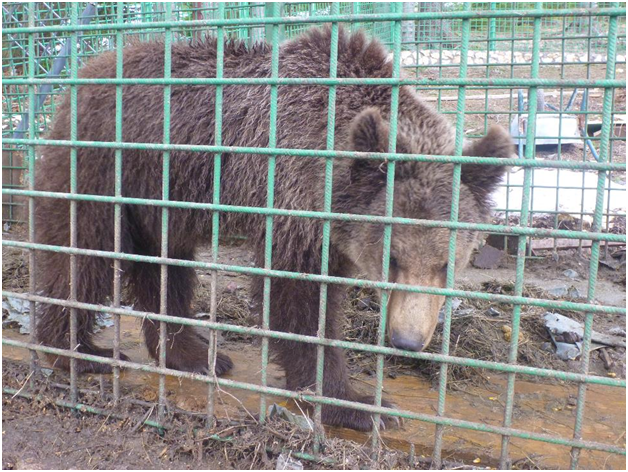
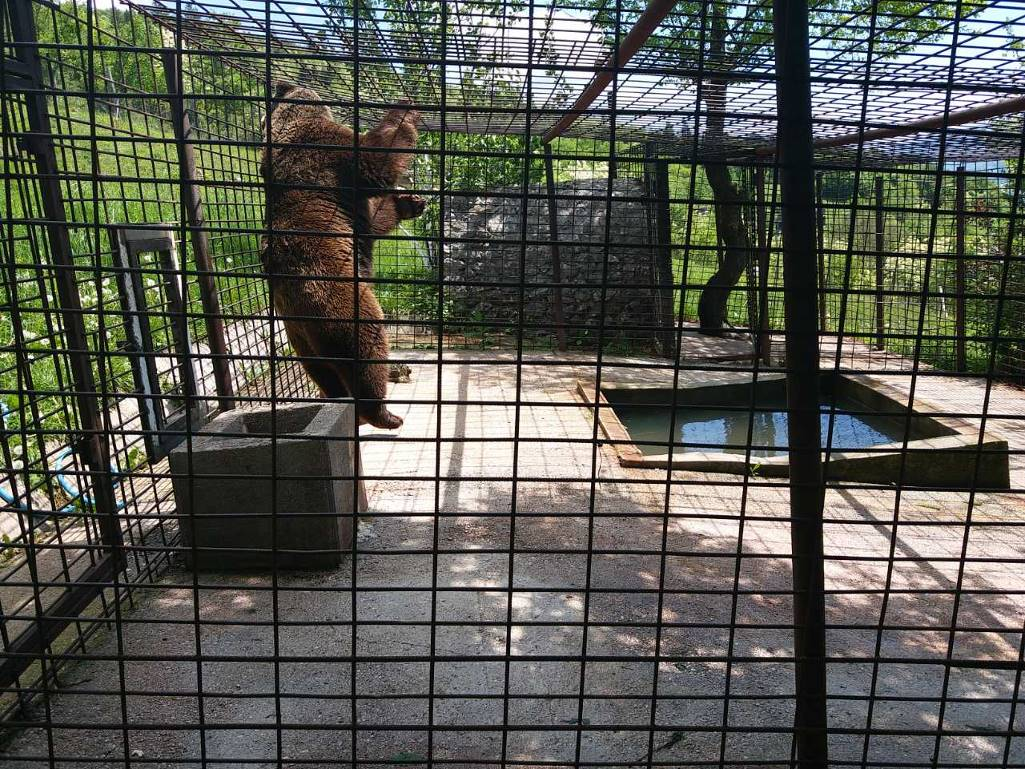
More information will follow soon. Below are several of the captive bears still in private possession, awaiting their relocation to the new bear sanctuary.
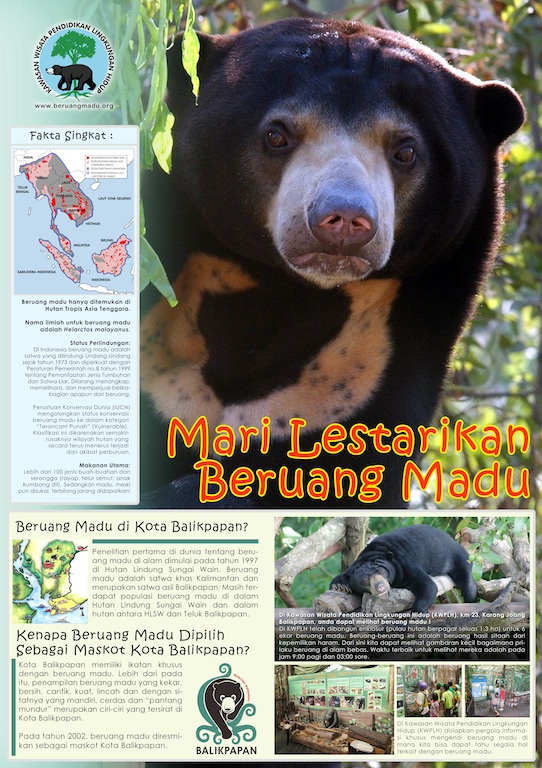
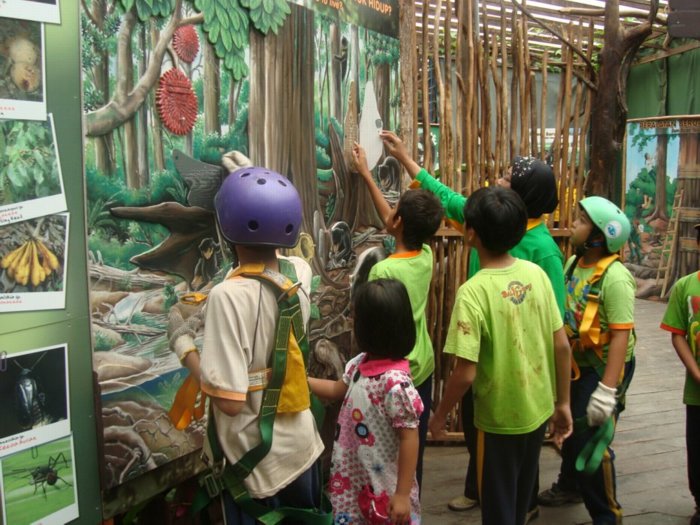
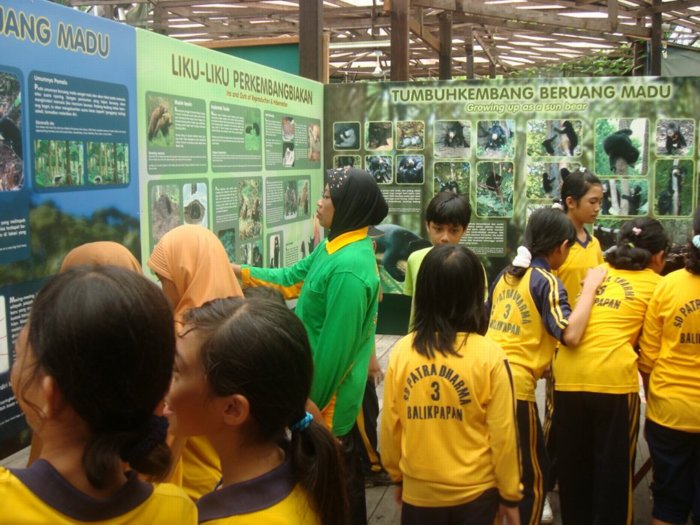
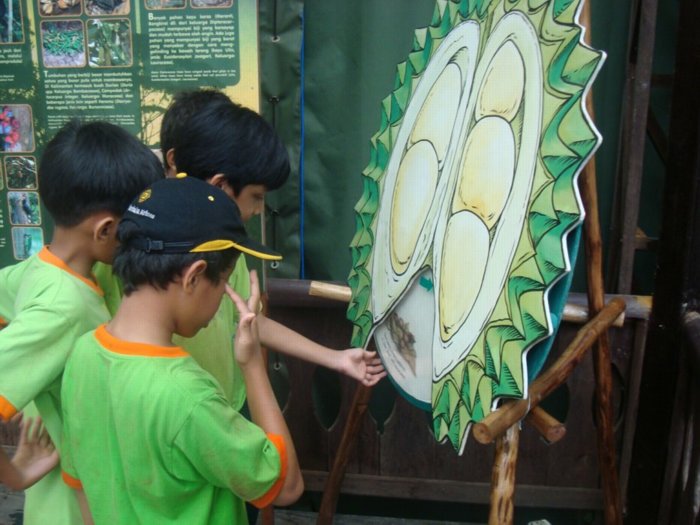
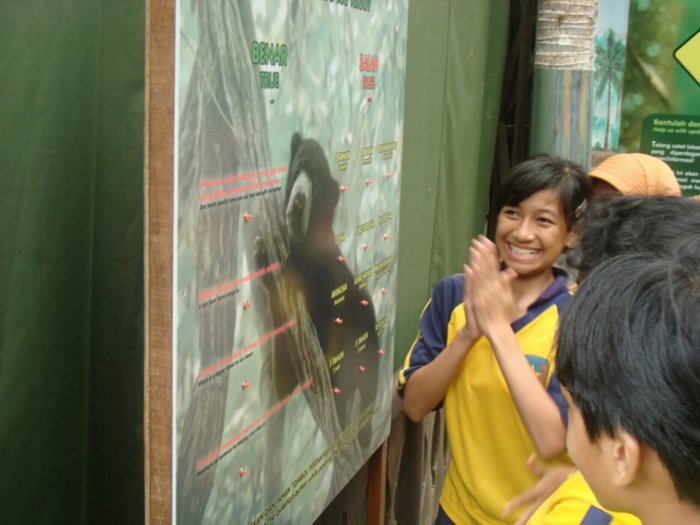
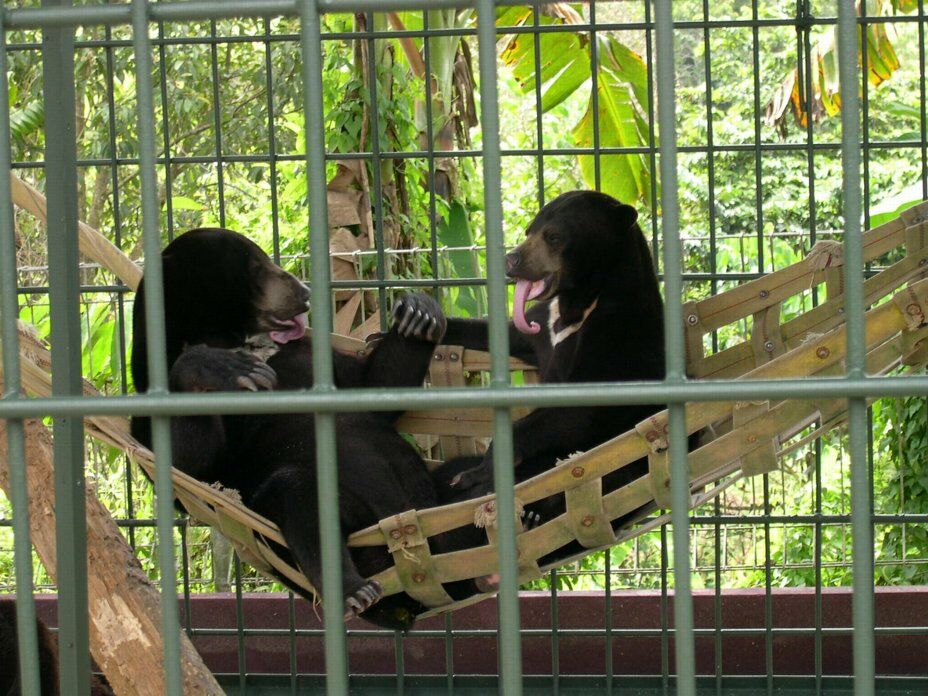
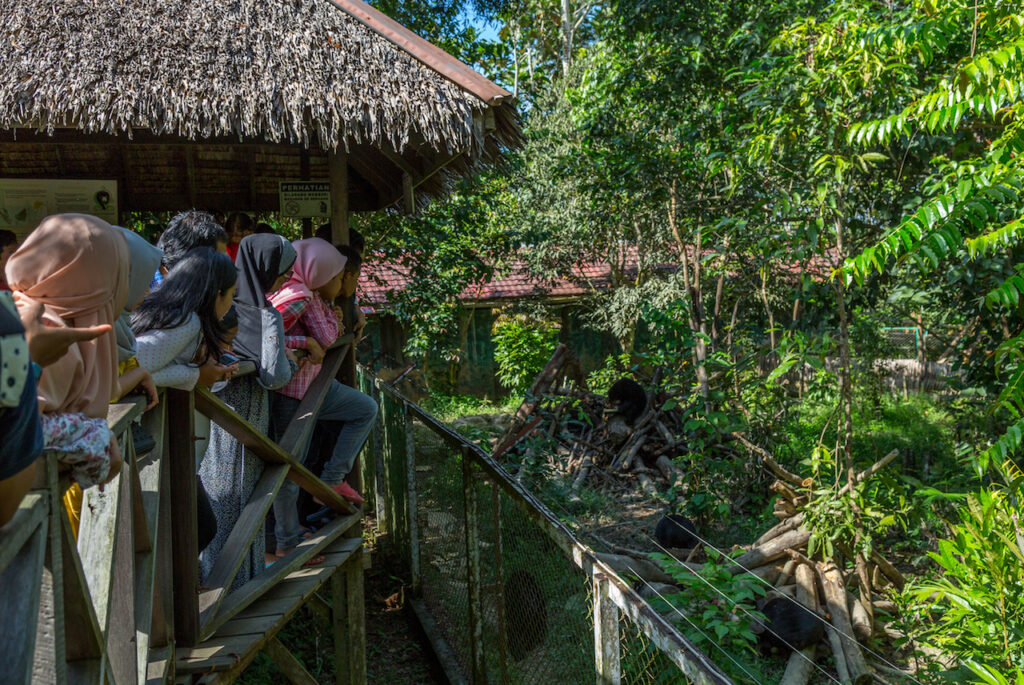
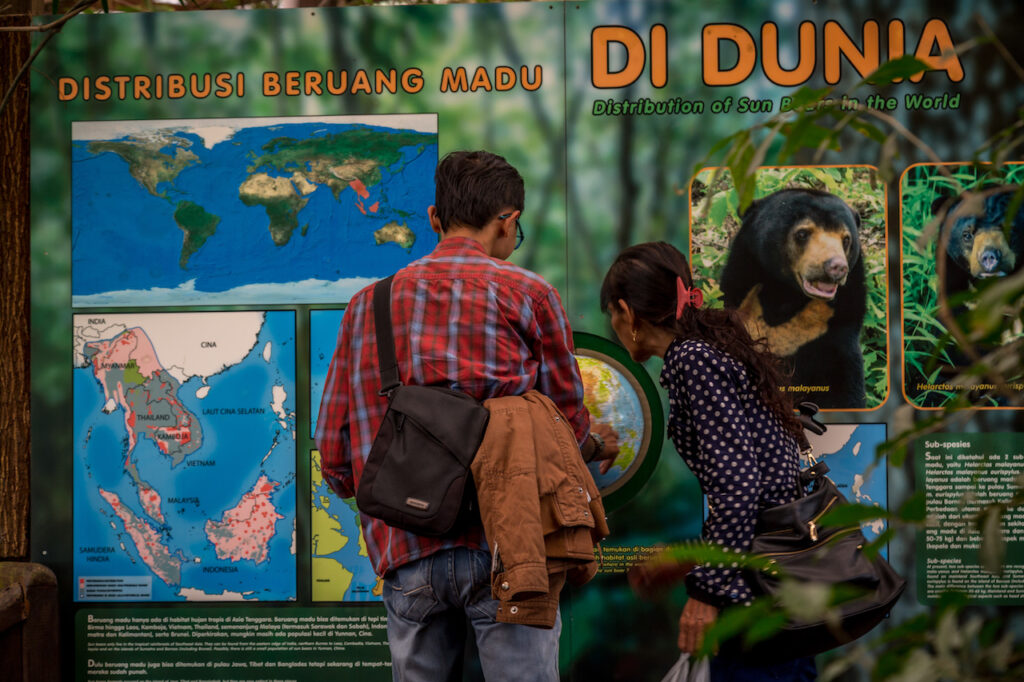
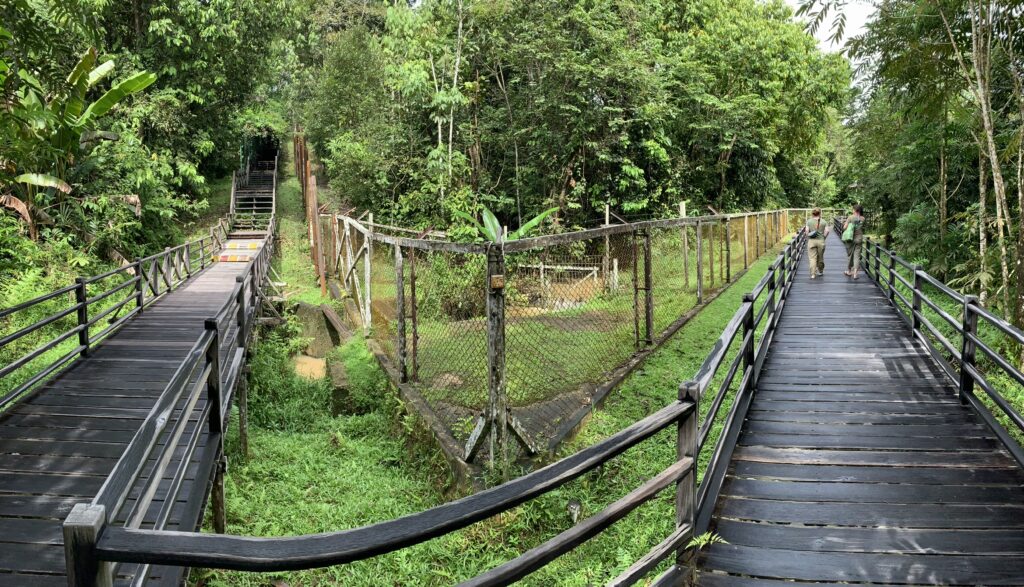
In East Kalimantan (Indonesia), Sun bear habitat is rapidly shrinking due to forest conversion and fires for palm oil monoculture development. As a result of this Sun bears are now commonly held as pets and conflict with humans occurs when bears enter communities or feed on crops. Despite this, the Balikpapan municipality decided in 2001 to make the Sun bear its mascot. This has led to a better protection of the last bit of primal forest where bears live (the Sungai Wain forest), and a heightened awareness among the locals. The sanctuary is surrounded by an elevated bridge. From this bridge visitors can see the bears play, climb, and dig. Local guides are trained to give visitors information.
Bears in Mind has funded the construction of the center, development and printing of a number of awareness materials like design and production of a new sun bear activity booklet, re-printing of Sun Bear booklet for distribution among visitors, production of variety of Sun bear promotional materials and improved visitor education through guide training.
Throughout 2023 – 2025, Bears in Mind provided funds for the much needed repairs/ maintenance to the visitor boardwalks, the Sun bear holding, the bear food storage & kitchen and the Sun bear enclosure.
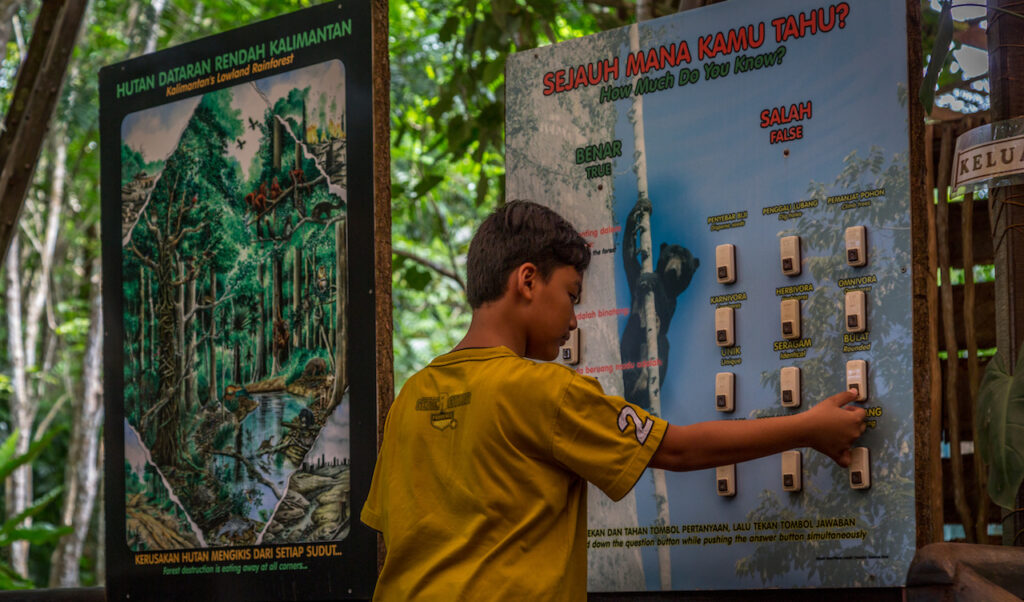
Threats to the sun bear Visitors at the KWPLH Education Centre can access information through painted panels, paintings, bear statues, information panels and interactive displays. All the education material is being made by local artists. Local goverment has been very positive since the start of the project, and they contribute in the daily management costs. The Sun bear or Malayan bear is a protected species in Indonesia, but law enforcement is not very strict. Because large parts of the forest are still turned into plantations or cut down for agriculture, many bears loose their habitat. In search for food they sometimes come too close to human settements. Cubs are taken from the wild and are often kept as a pet, until they grow too large (and dangerous) to maintain and end their life in misery in a small cage or are sold for meat or other parts.
There is much discussion about whether rehabilitated bears are likely to become problem bears. Therefore, data collected in this project is of paramount importance to this discussion. Of course we would prefer to be able to release orphaned bears in the wild again, rather than putting them in captivity for the rest of their lives. However, we must be absolutely certain that the rehabilitation process has no negative impact on their natural behaviour, increasing the chances of the released bear becoming a ‘problem bear’.
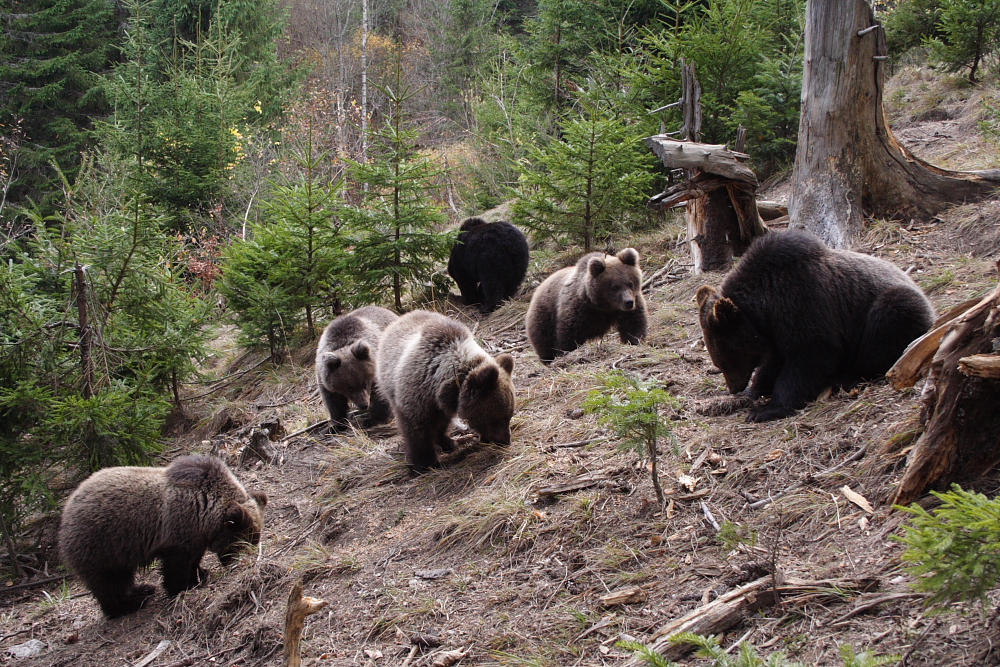
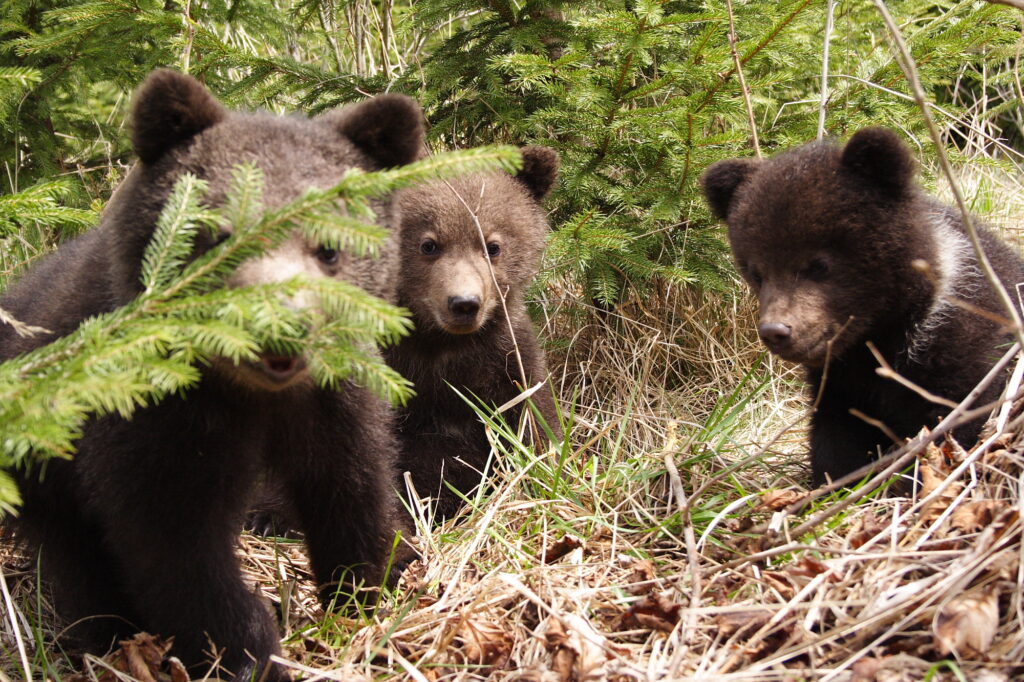
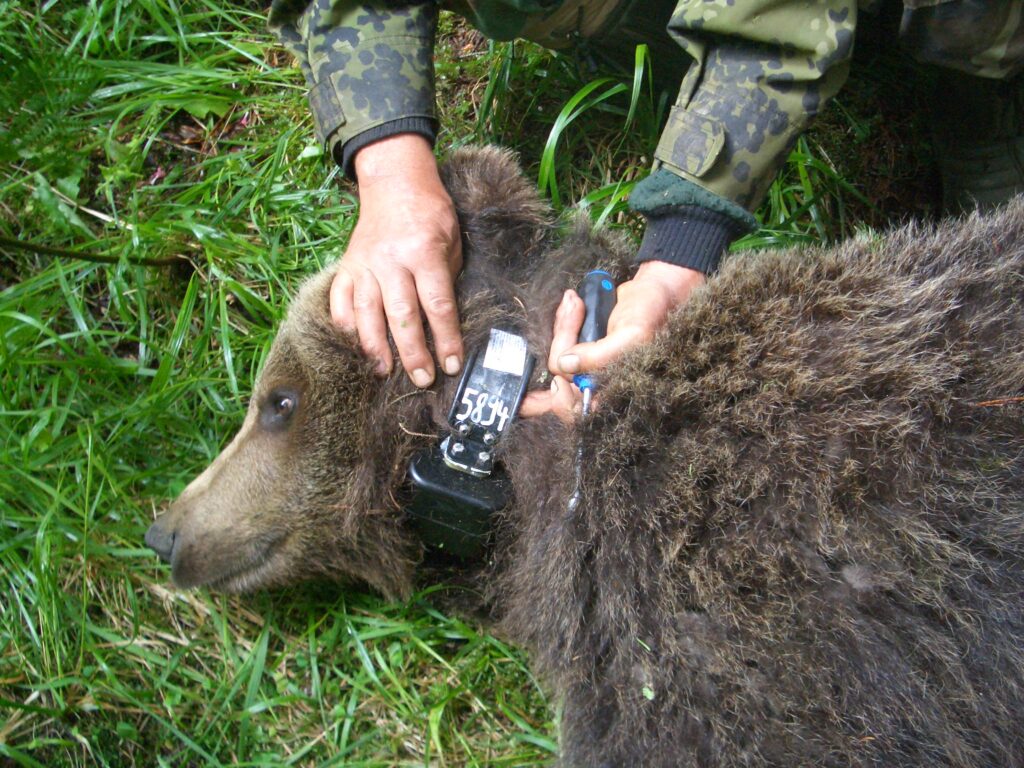
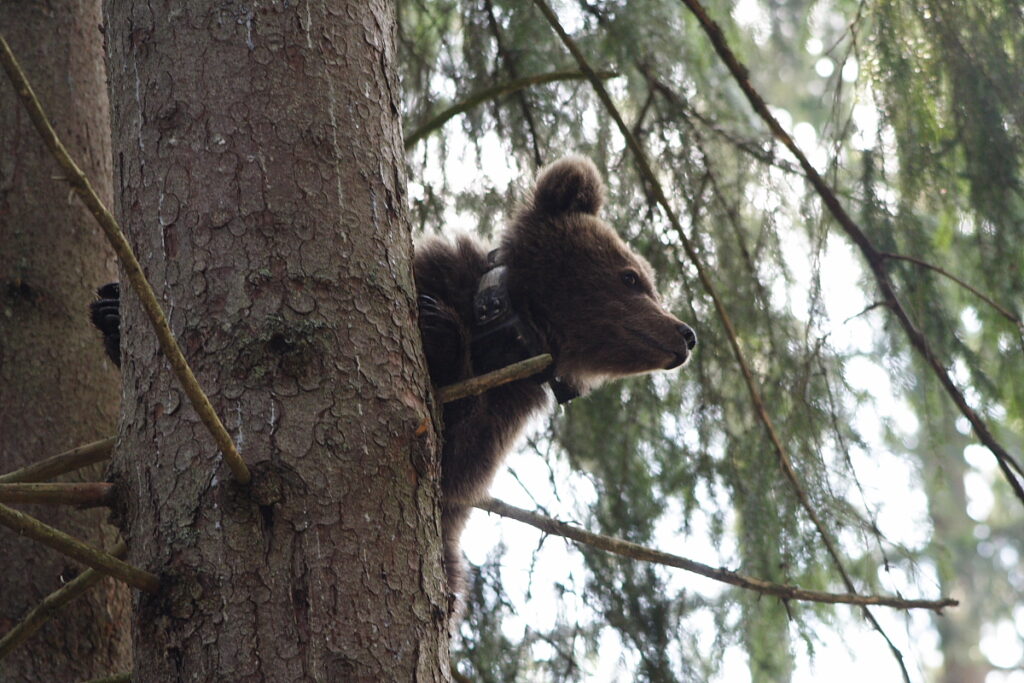
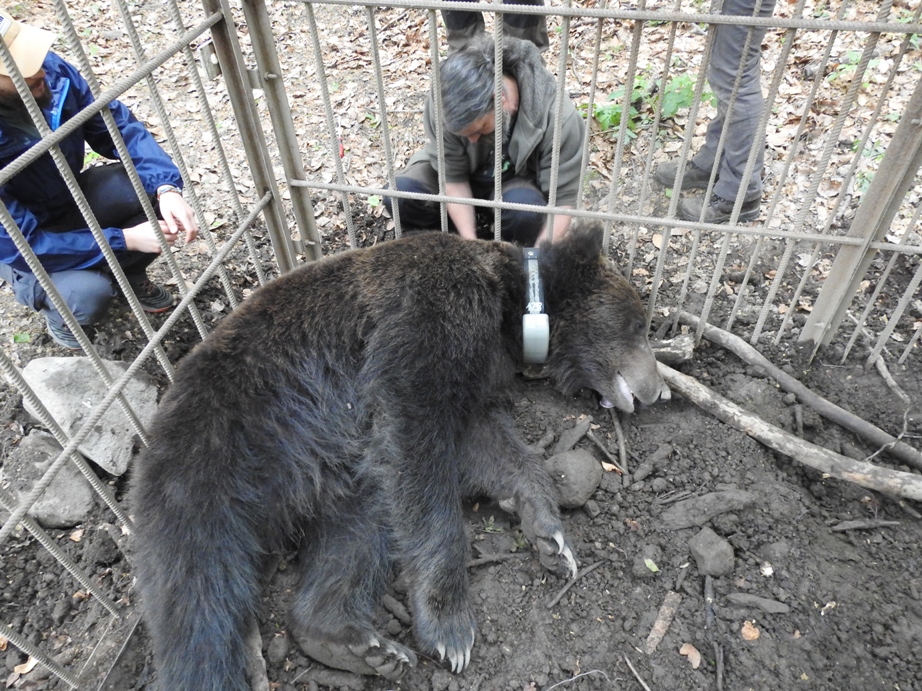
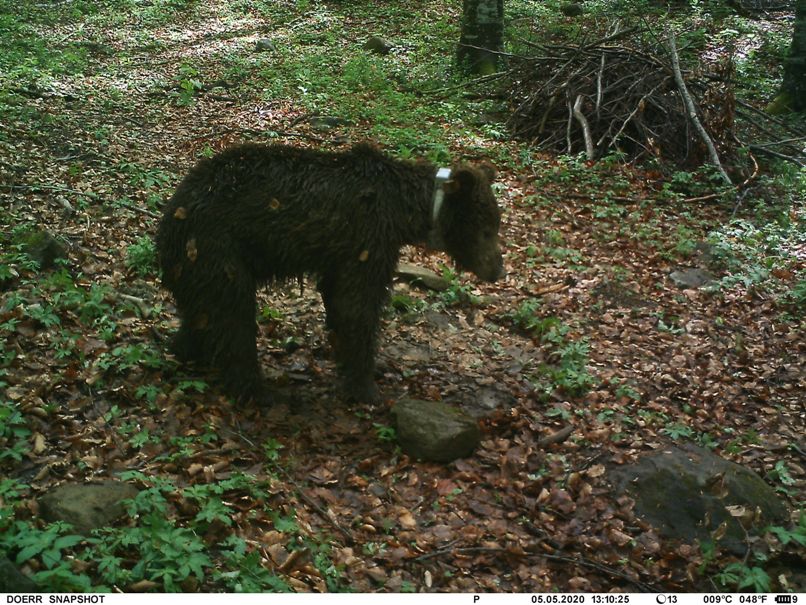
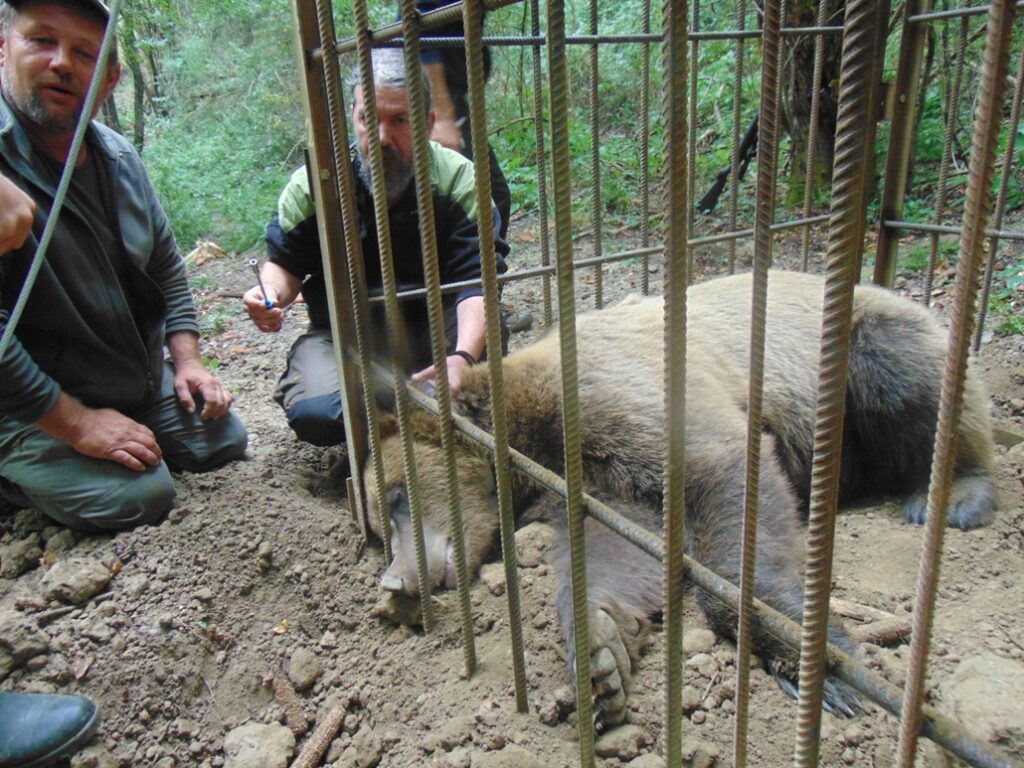
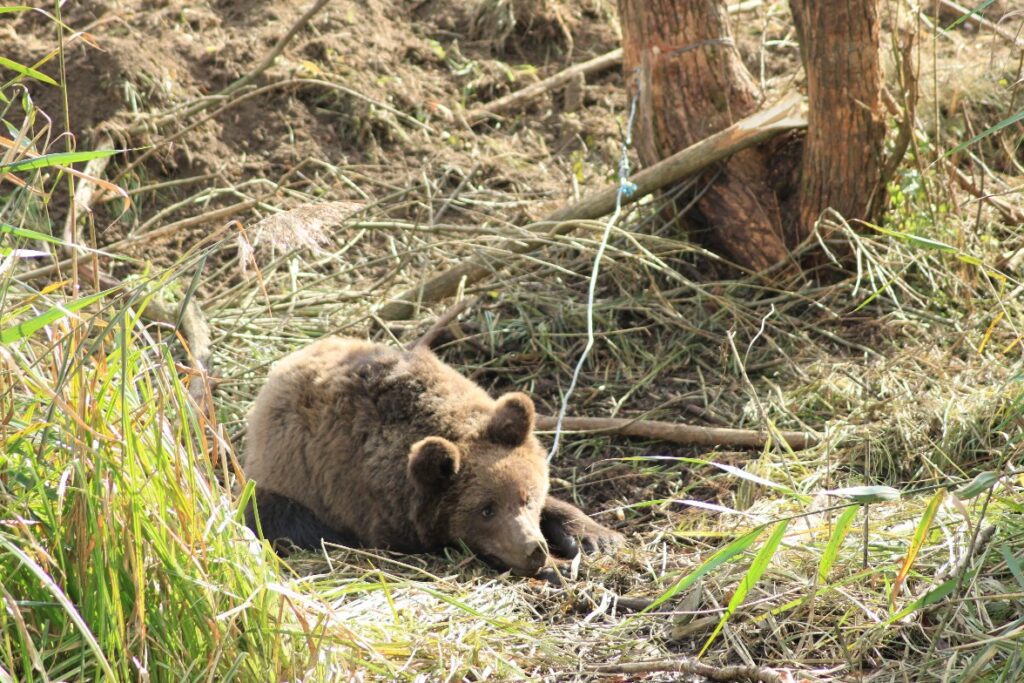
Between 2008 and 2013, a total of 19 bears have been equipped with GPS/GSM collars in order to assess the suitability of rehabilitated bears for reintroduction in the natural habitats. Ten of these bears were reared in the Romanian Rehabilitation Center (developed by Bear Again) and nine were wild caught individuals of two behavior categories: (1) wild behaving juveniles and (2) individuals with different degrees of habituation to anthropogenic food sources. The project revealed and proved that reintroduction of the rehabilitated bears into the wild is successful and without any threatening impact on the wild population. The survival rate of the rehabilitated tracked bears was around 50% (it is 55% considering all the rehabilitated bears). This is according with the survival rate of juvenile wild bears in the literature. One of the most important regulating factors can be considered the infanticide killing by adult male bears. An important threat is poaching.
Monitoring the bears and collar results is still ongoing.
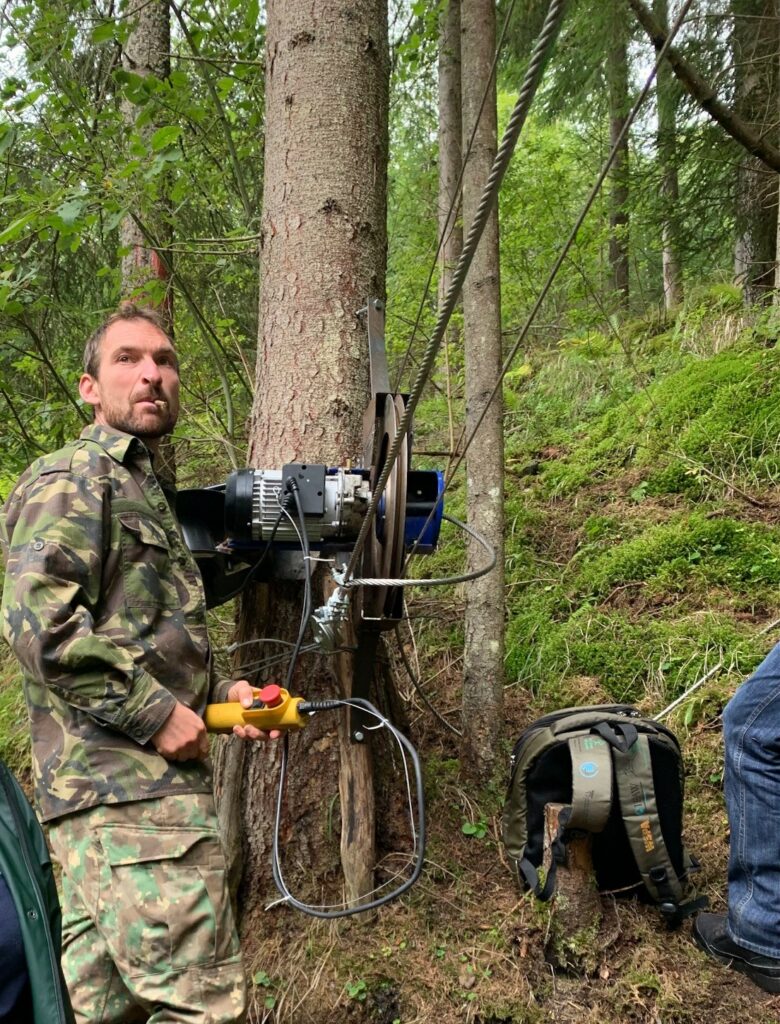
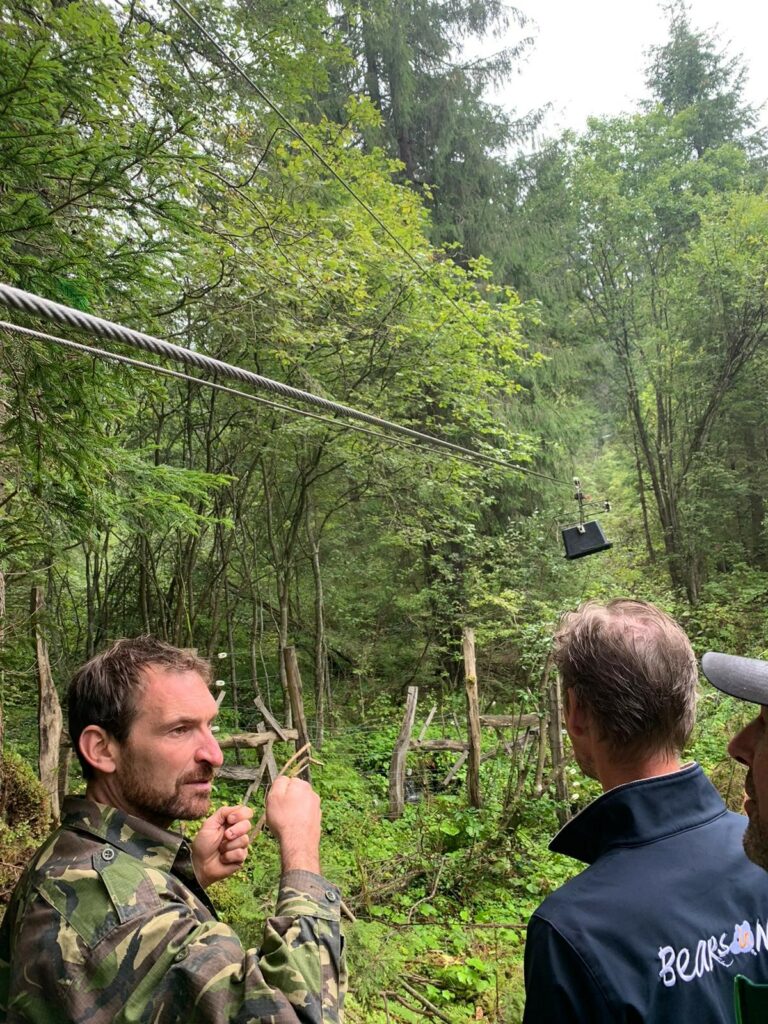
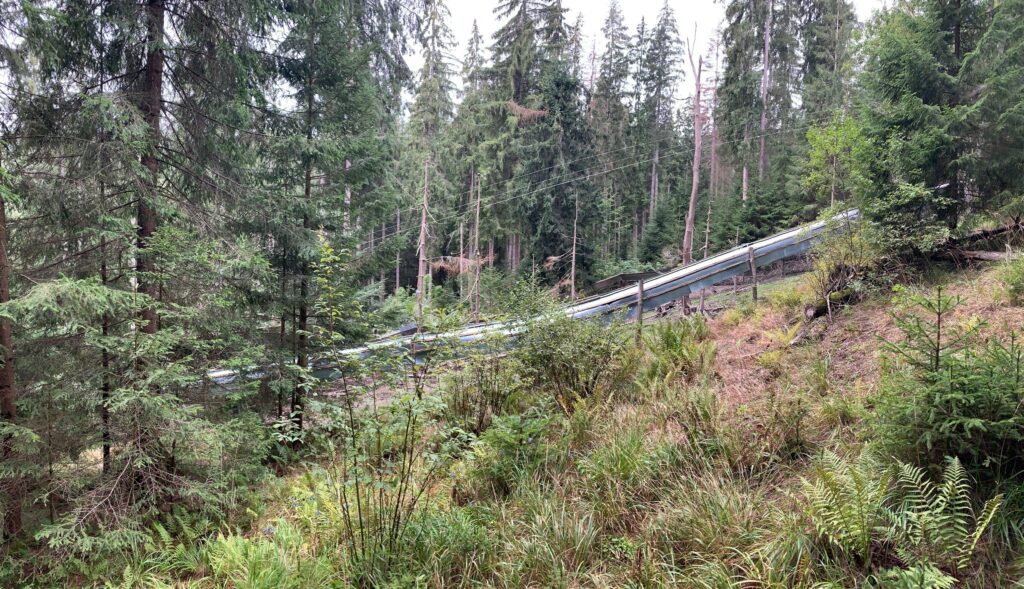
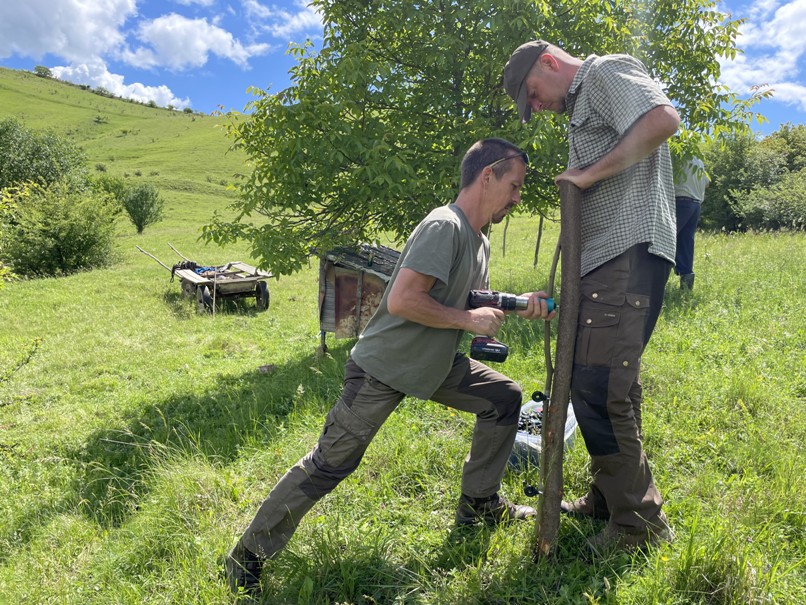
2020 onwards One of the basics of the rehabilitation technique is keeping the cubs in a system of several enclosures that offer 100% natural habitat. In this environment, the bears can develop their inborn instincts during a 1 – 1,5 years of rehab period. The facilities are surrounded by electrical fences. The electrical fence on one hand keeps the young bears inside the facilities and keeps intruder adult male bears or other predators out. The main aim of the support offered by Bears in Mind to this project has been directed towards improvement of the total electrical system of the Rehab Centre in order to keep the cubs safe, improve data communication and decrease the risk of depredation by males from outside. Next to that, the development of several remote cableway feeding systems have been sponsored. This allows the team from Bear Again to get the food to the bear cubs without being noticed. This way, these bears won’t associate food with people, an important lession for their future!
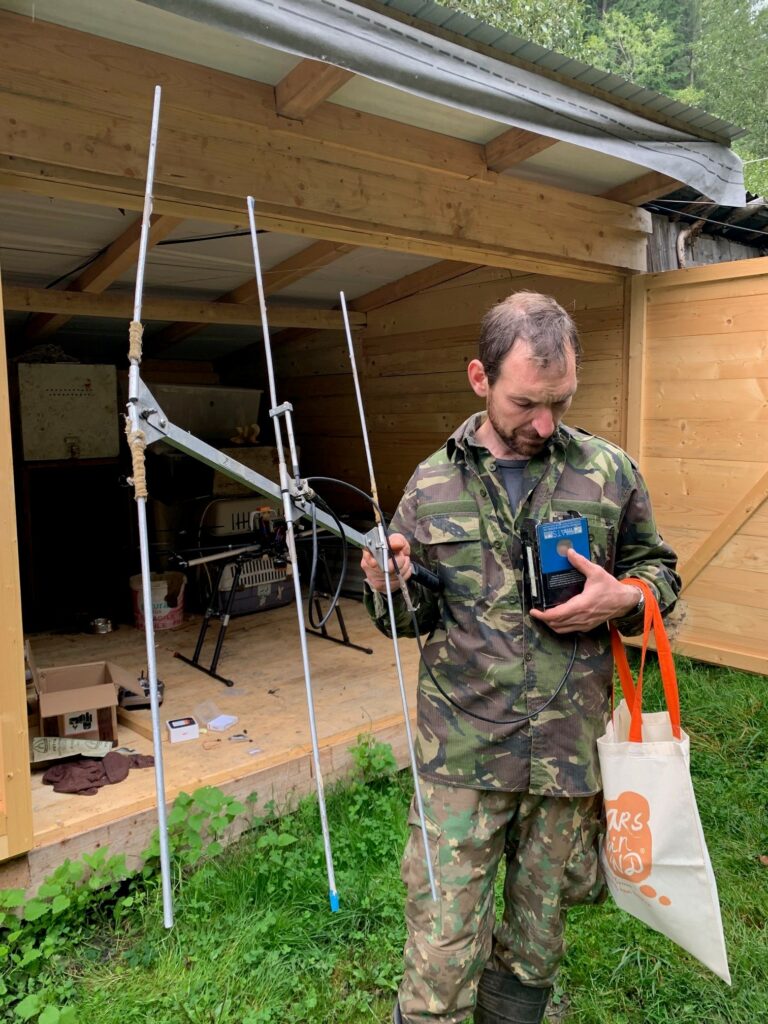
This project titled “Brown bear conservation and research program in a model area in Romania” is one of the longest continual projects supported by Bears in Mind, started in 2006. It has many topics, focusing on research on the bear population and conservation of bears in the Eastern Carpathians in Romania,with theaim to prevent bear-human conflicts. Damages caused by bears to livestock and crops are closely monitored. Research on denning behaviour and locations, knowledge about bear home ranges, movement and activity patterns, habitat use and food searching behaviour of the bears, is also carried out. Over the years, many bears have been fitted with radio collars to monitor their behaviour and gather as much data as possible.
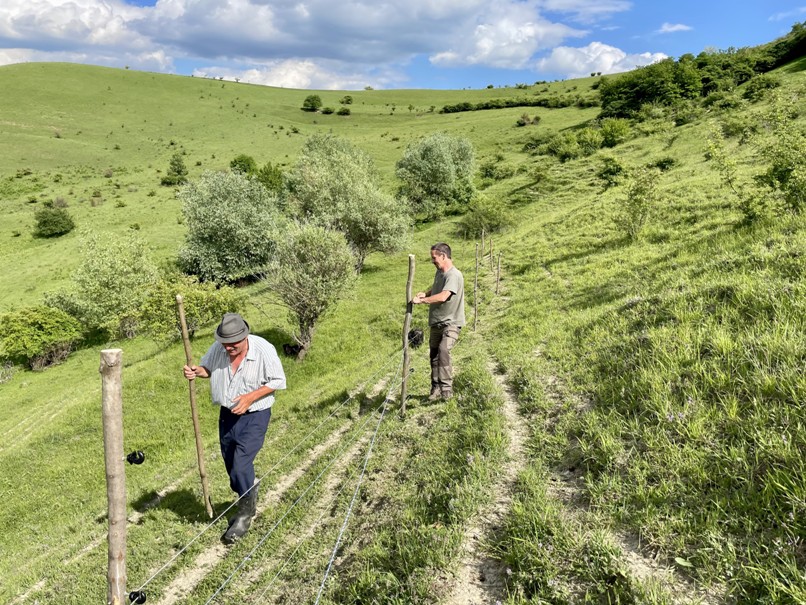
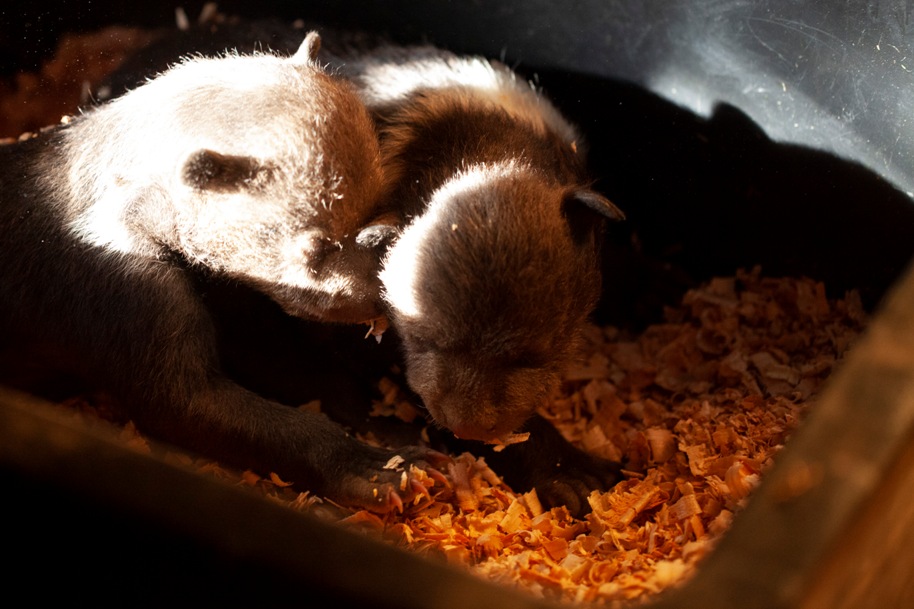
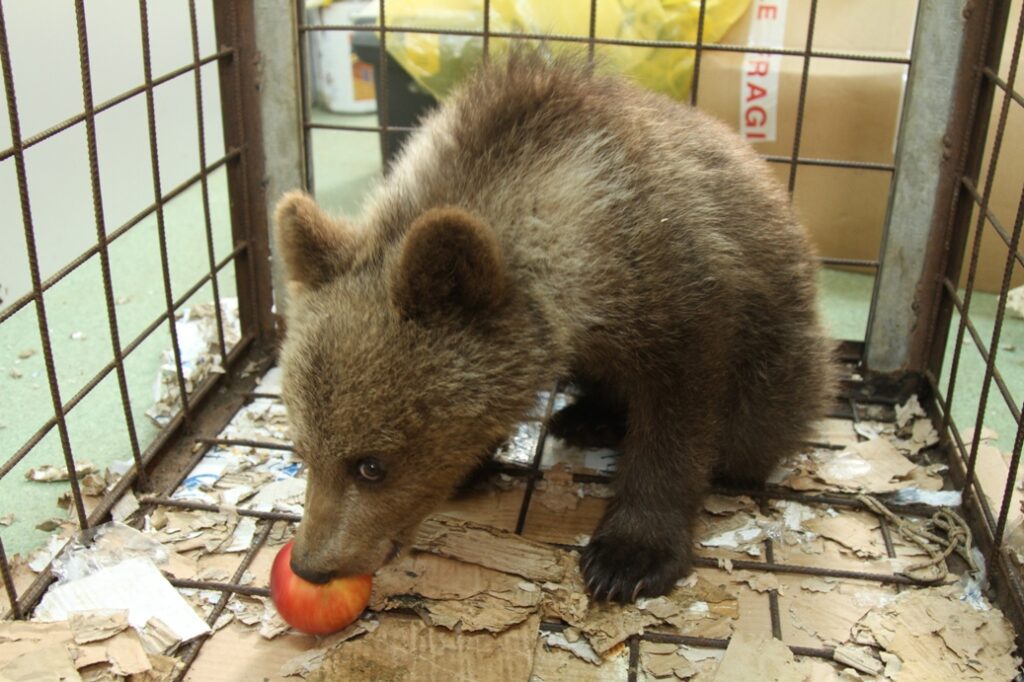
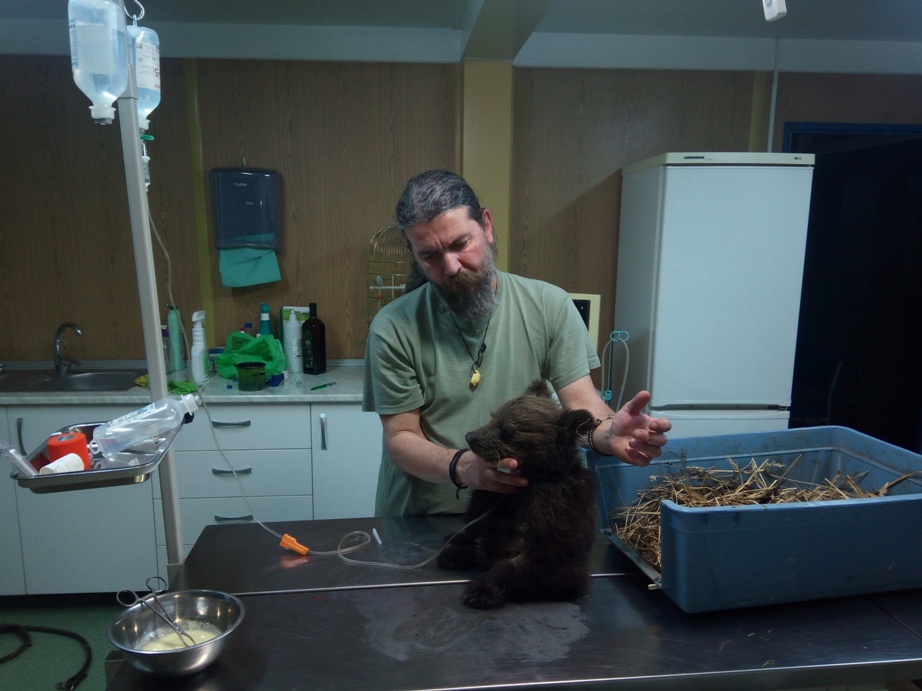
Together with the help of local farmers, electric fences surrounding orchards and beehives are tested and placed. Milvus participates in public discussions on bears, organizes educational projects in schools, field excursions and develops educational material. They are mitigating plans for a new highway through prime bear habitat and have done extensive research on the impact on the population. Additionally, every year Milvus receives dozens of calls about orphaned (sometimes injured) bear cubs. After treatment by Vets4Wild (partner of Milvus), the cubs are sent to the rehabilitation centre run by Bear Again.
Improving the social acceptance of the species Since 2018, Bears in Mind provides funding for a campaign to improve the acceptance of bears in Romania. Through a ten-episode mini-series, Milvus aimes to spread correct and factual information on bears, to try to counterbalance the omnipresent negative rhetoric (and frequent misinformation) in the Hungarian and Romanian massmedia. Each episode was realized in both Hungarian and Romanian languages, with both versions having English subtitles (these can be switched on in YouTube, CC button for Episode 1, and are embedded in each subsequent episode). Each episode was shared on Milvus Group’s own Facebook page, on YouTube, as well as on the Milvus Group webpage. For the shares on our Facebook page, we also had funding to advertise each episode. Ten episodes have been produced:
We use cookies to ensure that we give you the best experience on our website. If you continue to use this site we will assume that you are happy with it.