Home > 2026

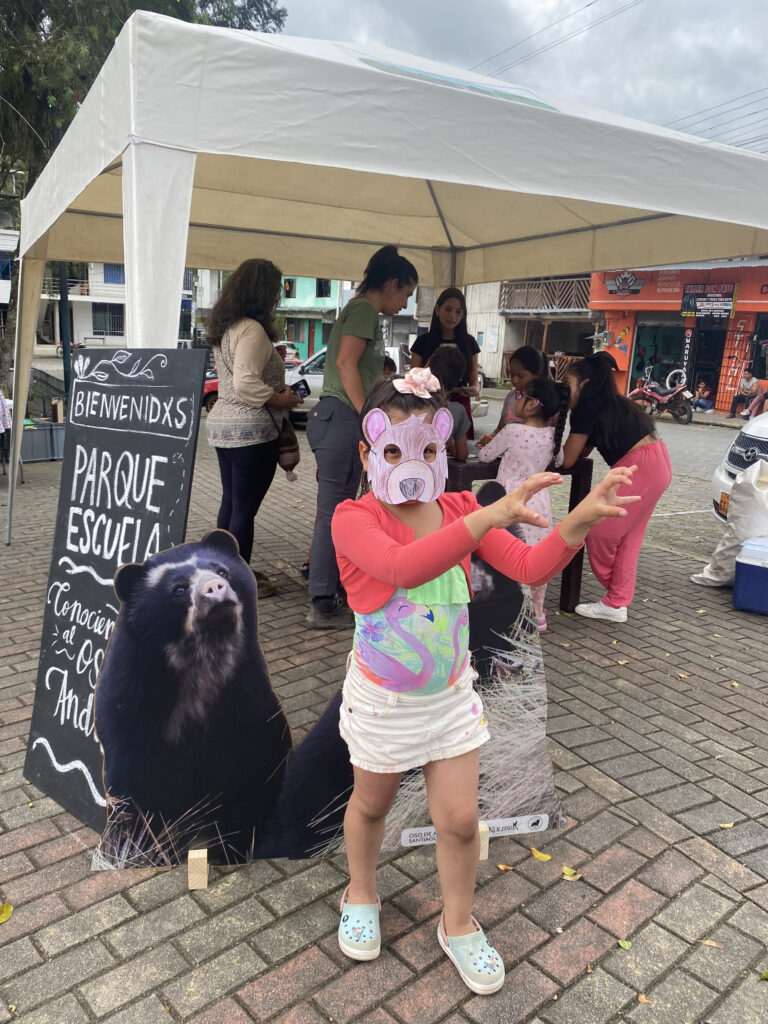
Or in Spanish: Subiendo Montañas por el Oso Andino! Is an exciting new multifaceted project aimed at achieving two main goals.

  • The initiative includes the challenge of climbing 12 significant mountains across Ecuador, symbolizing a commitment to conservation efforts.
  • Alongside this, the project will establish the School Park “Getting to know the Andean Bear” in surrounding communities, creating an educational and recreational space dedicated to the Andean Bear.

Additionally, an ‘Environmental Communication program’ will be launched to engage and educate local communities about the importance of conserving the Andean Bear and its high-altitude páramo habitat. Alongside this program, merchandising will be produced to maintain the sustainability of this initiative.
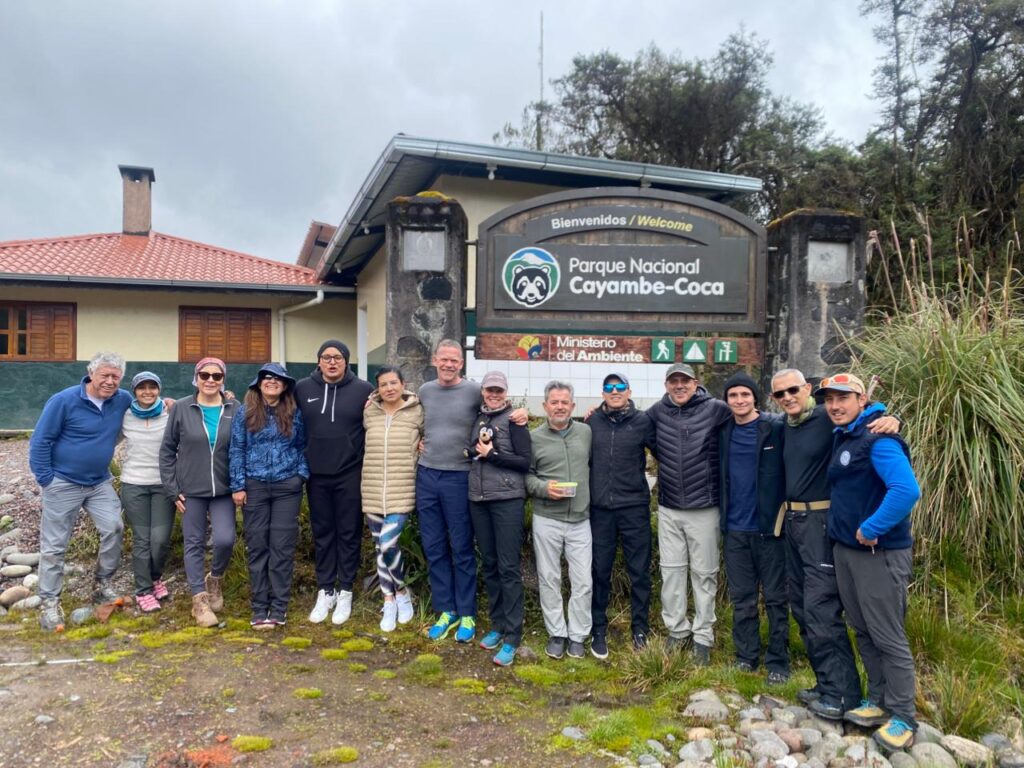
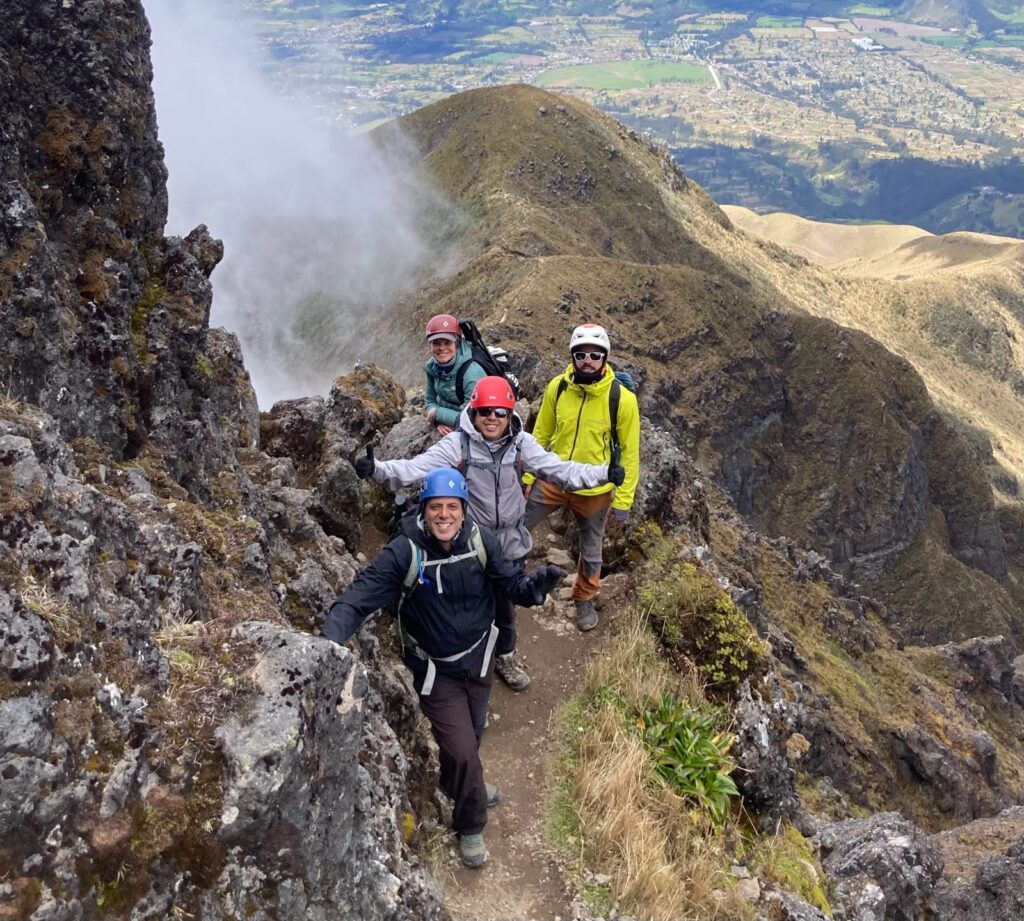
The project will also encourage public participation by inviting individuals to climb the mountains alongside Andean Bear researcher Santiago Molina. Participants will contribute financially and receive a project-branded T-shirt or thermos as part of their contribution.
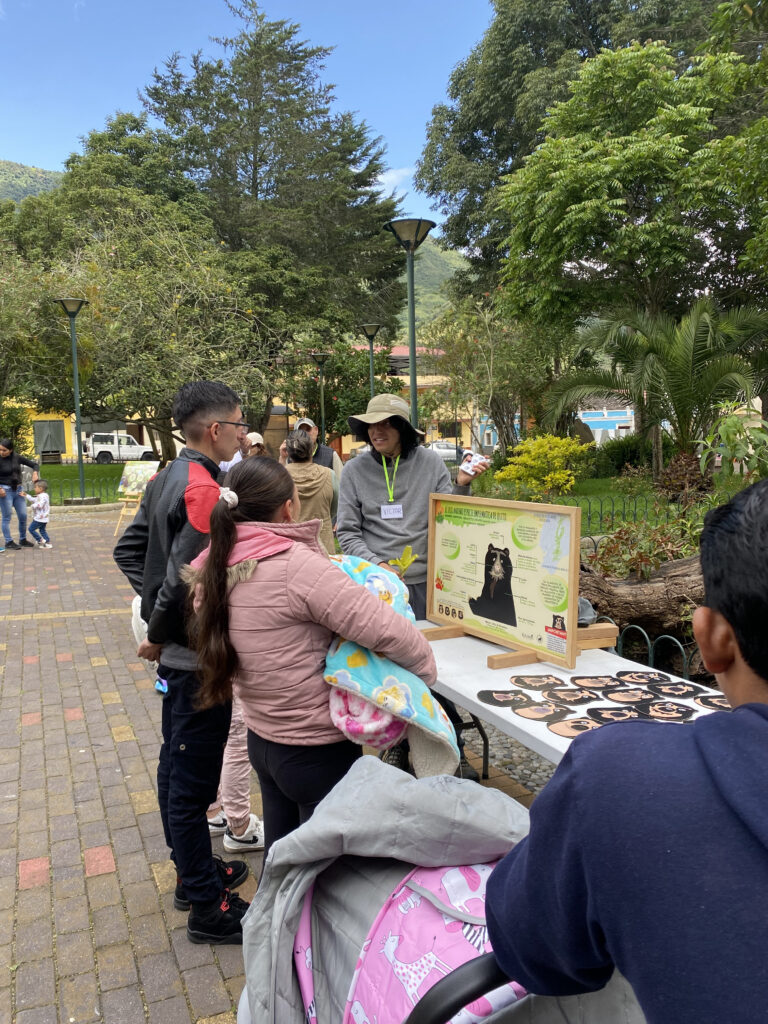
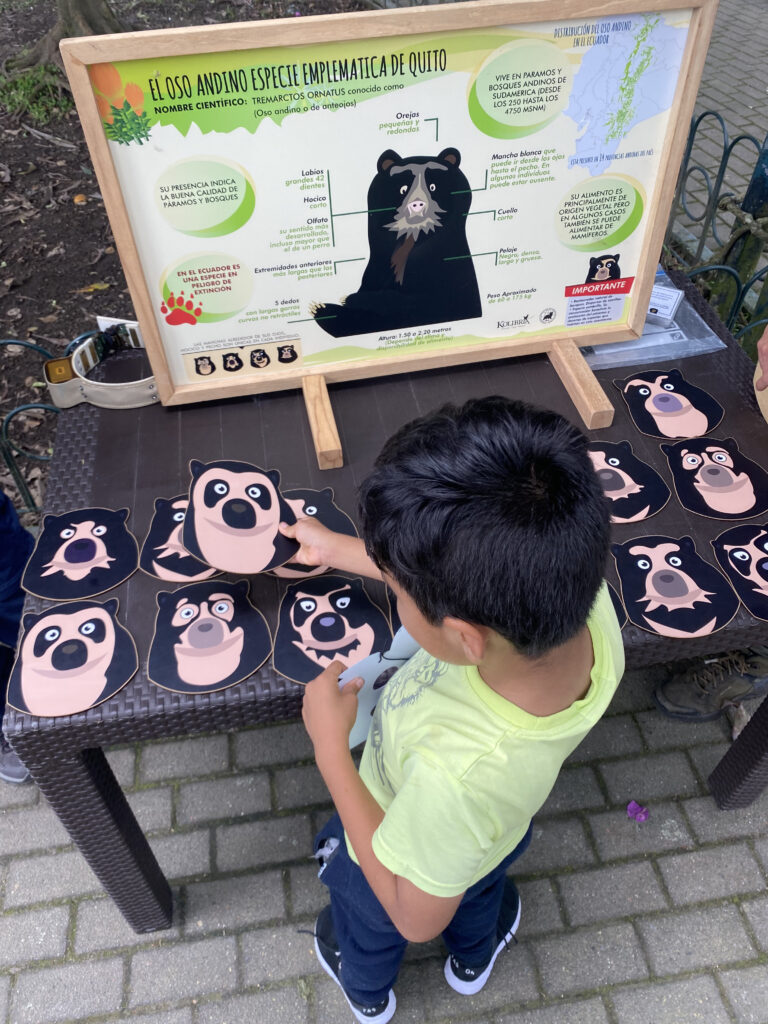
By combining personal adventure with community-focused conservation education, the project aims to foster a deeper appreciation for wildlife protection and promote sustainable environmental stewardship in the region. Bears in Mind financially supports this adventurous project since 2024.
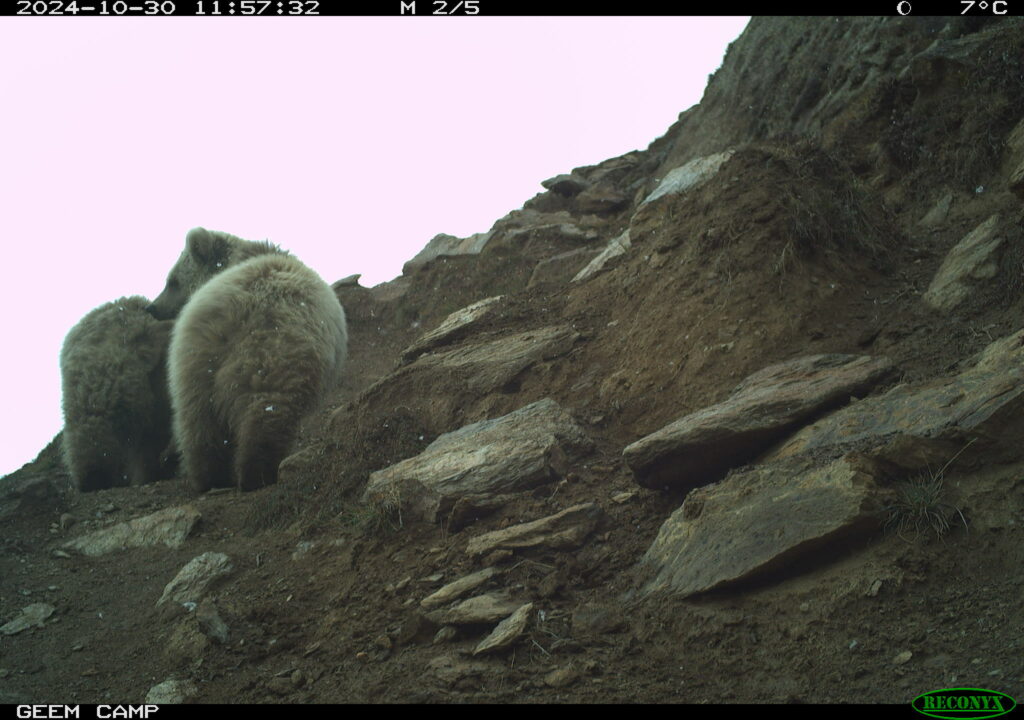
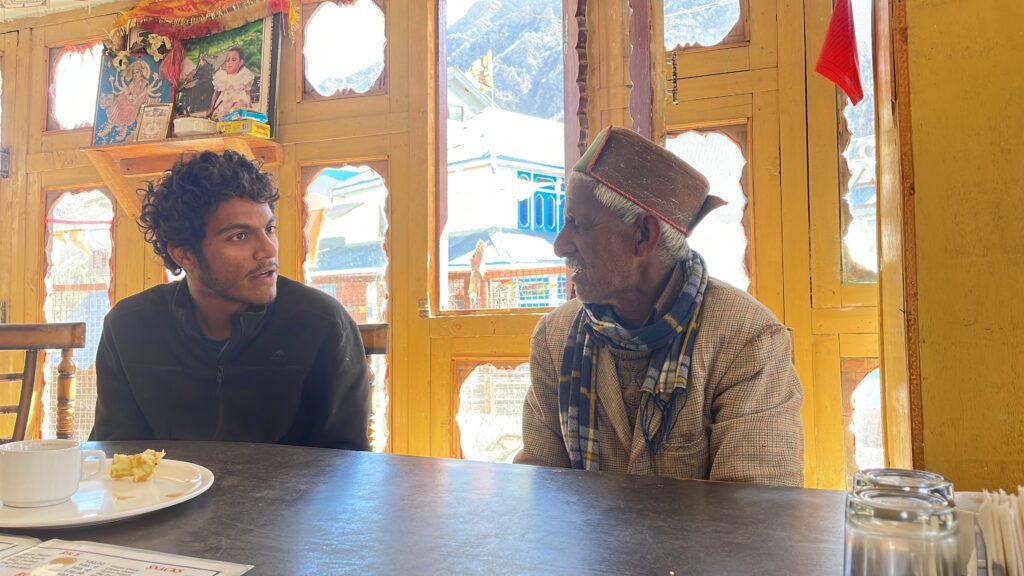
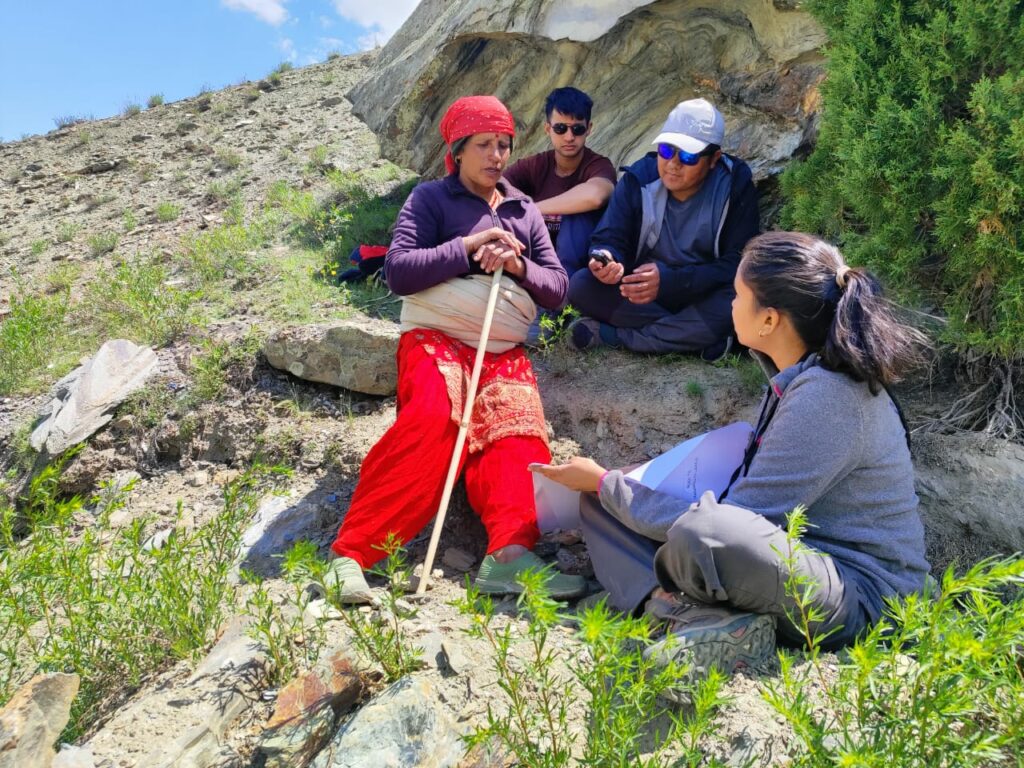
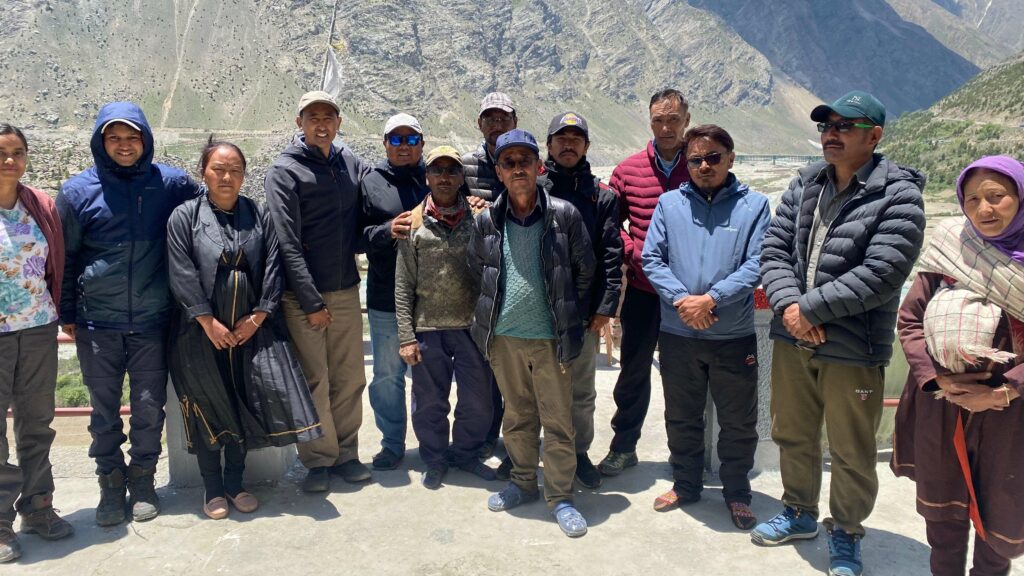
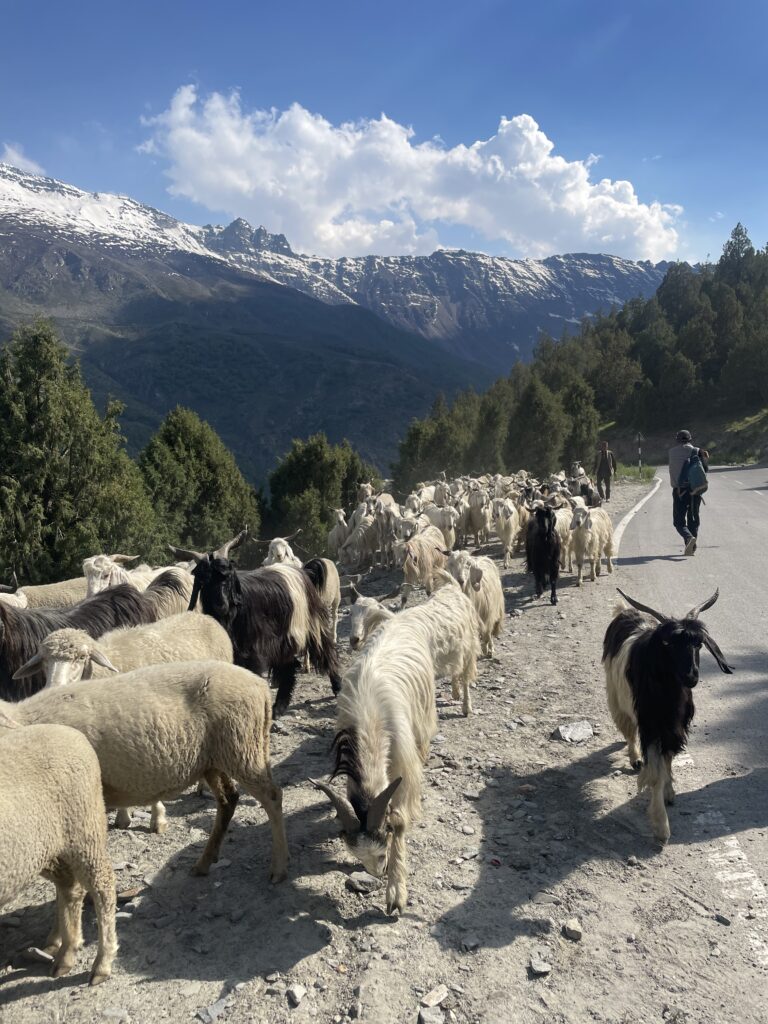
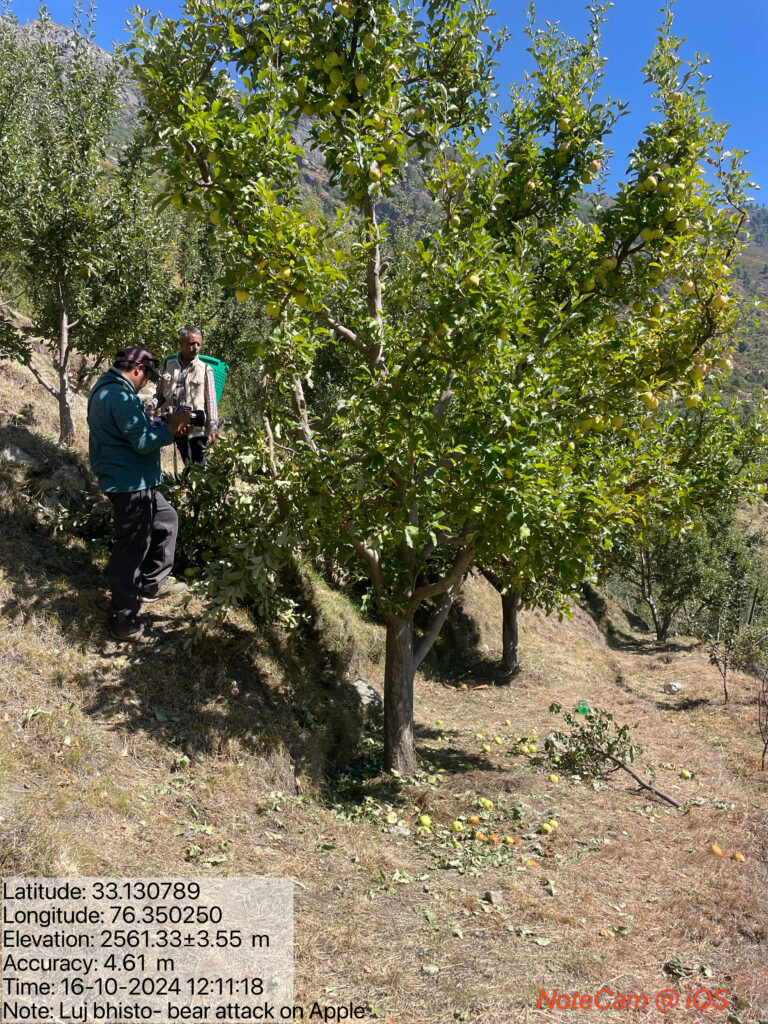
Across the Western Himalayas, Himalayan Brown Bear (Ursus arctos isabellinus) and Himalayan Black Bears (Ursus thibetanus), live in proximity with people. These people, many of whom are from various indigenous and tribal groups, are primarily either transhumant pastoralist (eg. the Bakerwals and Gaddis) or agriculturalist (primarily horticulturalists cultivating fruit like apples). This proximity of bears with people is increasingly being augmented by climate change which is altering cropping patterns and habitat loss. This is leading to increased negative human-bear interactions which include, but aren’t limited to, increased raiding of crops by bears and depredation of livestock. Most of which is met with retaliatory killing of bears. If the financial impacts of livelihood loss by bears isn’t adequately mitigated, the illegal retaliatory killing of bears can also lead to engagement in illegal trade of bear parts.

Besides this, direct poaching of bears for their gall bladder is a huge conservation challenge, but often under the shadow of welfare and bear-human conflict issues. All of these conservation threats to bears are spatially explicit, hence in collaboration with Dr. Hinsley, the team aims to identify spatially-explicit priorities for bear conservation across the Western Indian Himalayas.

Based on this baseline information, the team also aims to operationalize a local champions network in one region to actively work towards human-bear conservation interventions to ensure bear conservation while protecting people’s livelihoods.

Bears in Mind supports the project since 2024.

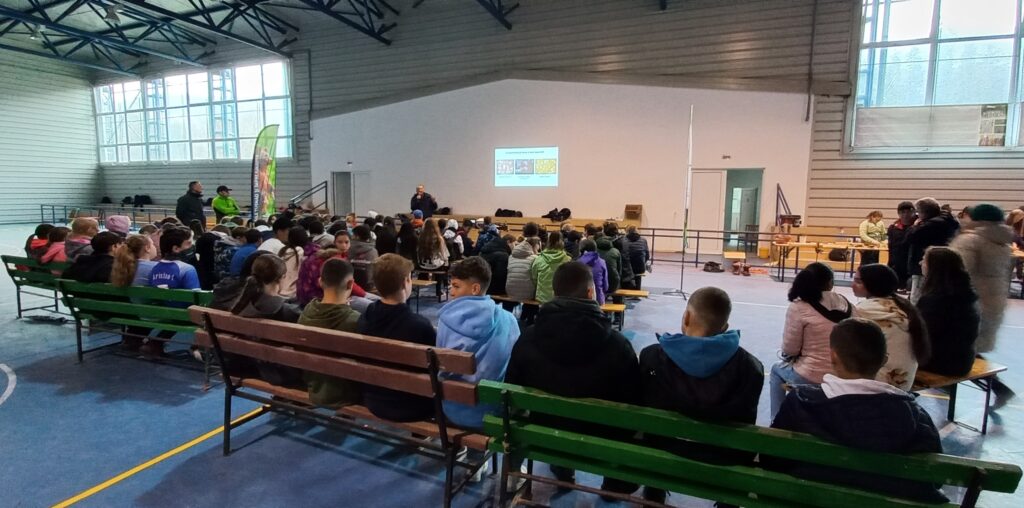
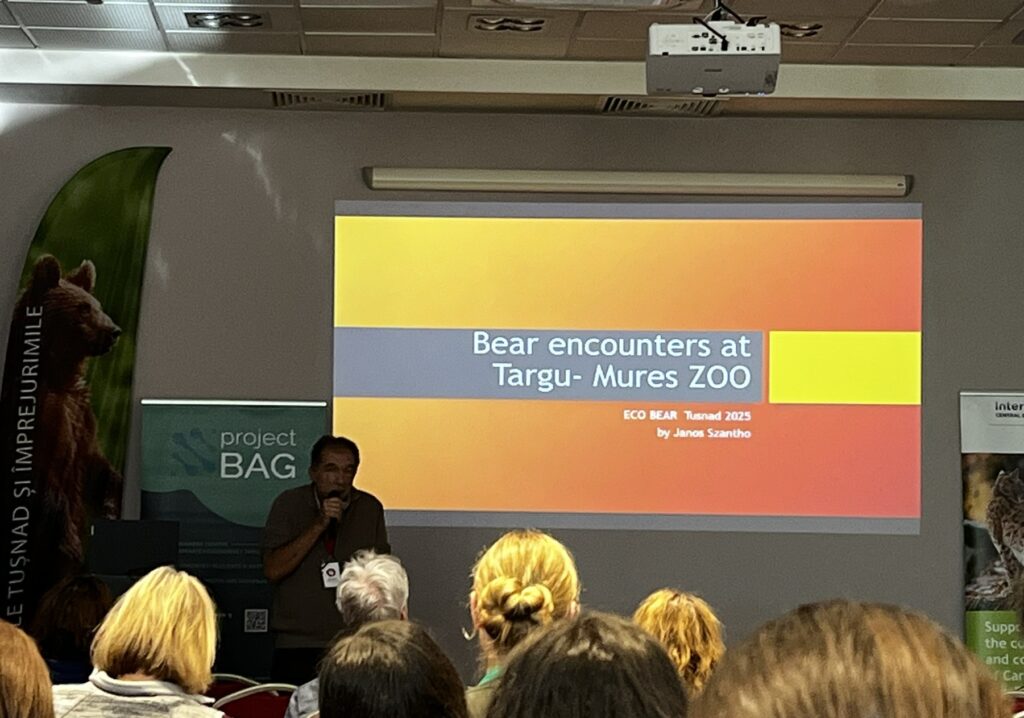
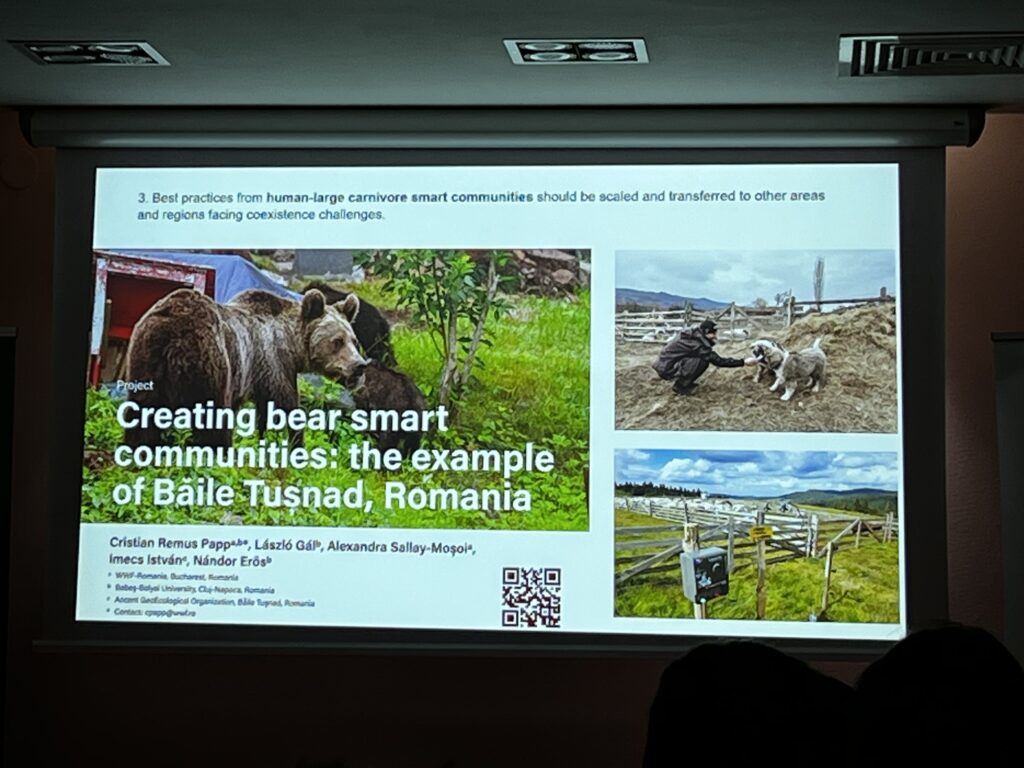
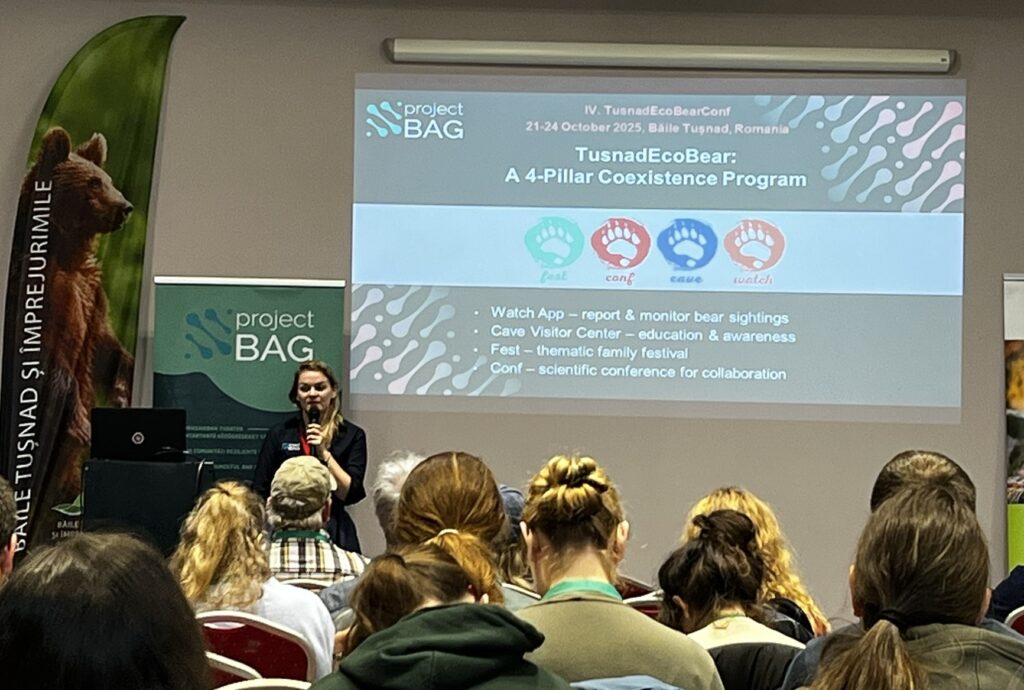
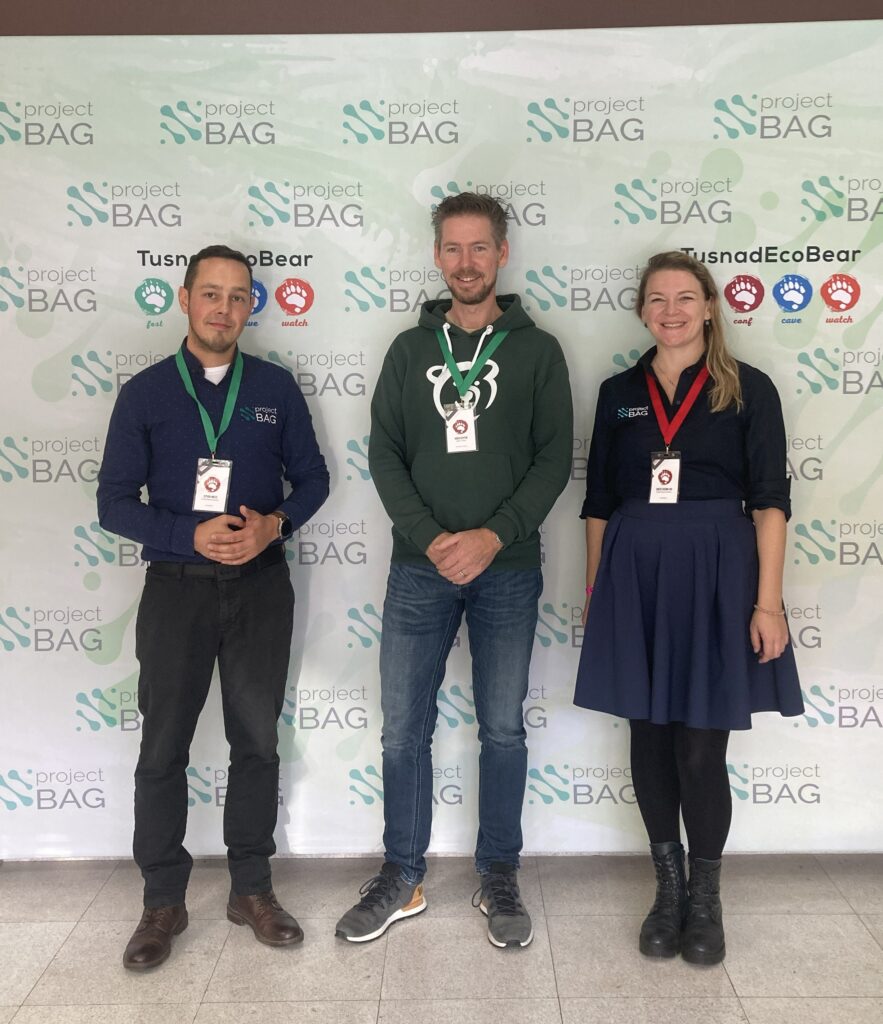
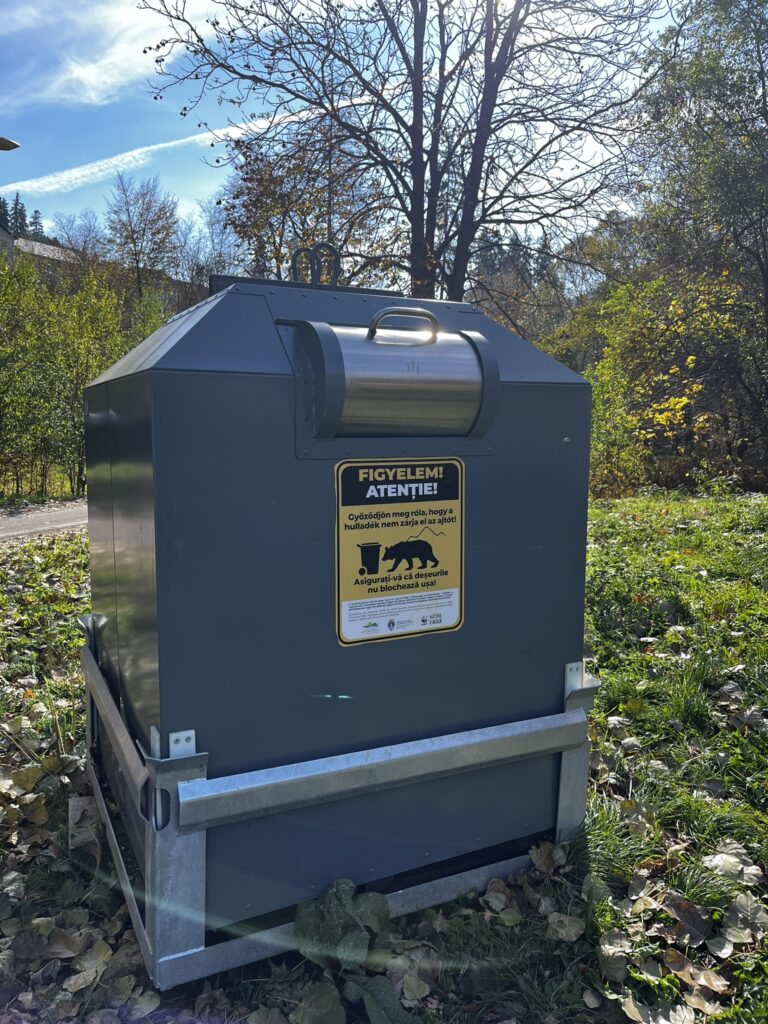
The TusnadEcoBear concept, initiated in 2022 in Băile Tușnad, Romania, promotes human-bear coexistence through communication, education, engagement and cooperation. These pillars include the Watch app for bear sightings, the Cave visitor center, the Fest educational festival, and the Conf scientific conference. With proven success, the goal is to expand the project to surrounding communities and establish Bear Smart communities through ongoing collaboration.

Rural stakeholders in the town of Băile Tușnad and surrounding ecotourism destinations are not fully engaged in human-bear coexistence practices, which are crucial for species conservation and conflict reduction. This project, supported by Bears in Mind since 2025, seeks to raise awareness and broaden its impact by addressing specific challenges that current methods or laws overlook, creating collaboration opportunities, and enhancing bear conservation education in local schools.

UPDATE!

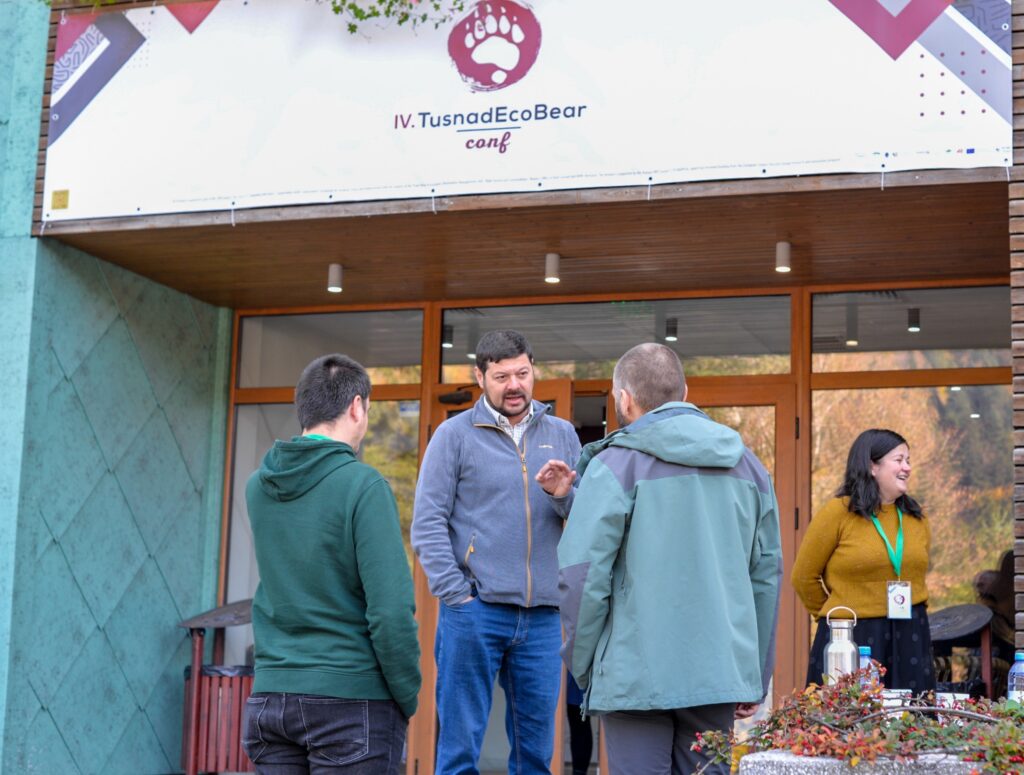
The 4th TusnadEcoBear Conference, held in October 2025 in Romania, brought together experts from 17 countries to share knowledge on human–large carnivore coexistence, with a focus on European brown bears. Participants discussed practical approaches to mitigating conflicts in human-dominated landscapes, examined effective and ineffective management practices, and emphasized the importance of preparing for emerging challenges such as climate change. The conference reaffirmed its value as a unique platform that links scientific research, practical field experience, and community involvement, highlighting how local action supported by international cooperation can advance bear conservation.

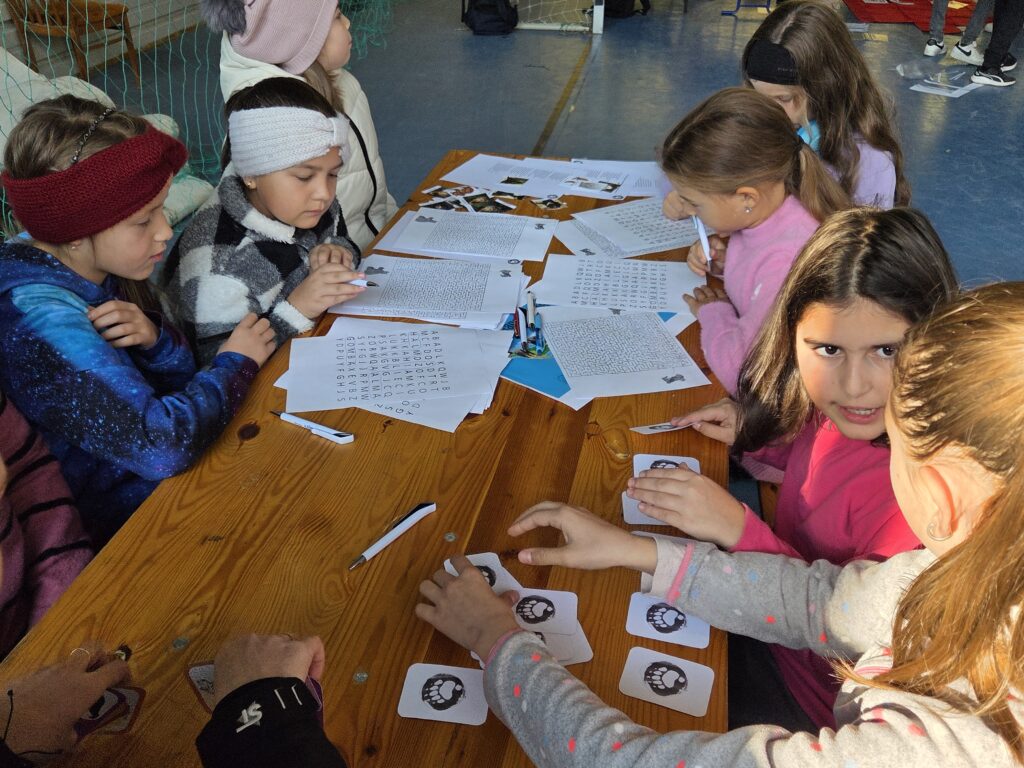
Following the conference, the Tusnad Eco Bear Fest offered a two-day educational festival centered on the same theme, primarily aimed at schoolchildren. Activities included felting, woodworking, interactive science experiments, microscope observations, team-building games, and safe laser target shooting, all designed to deepen understanding of bear behavior, ecological roles, and opportunities for peaceful coexistence.

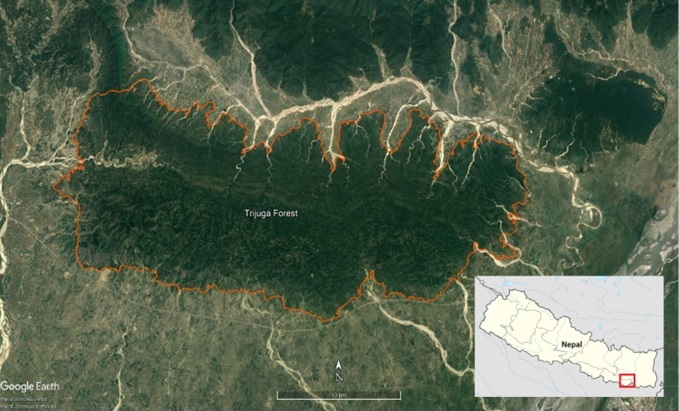
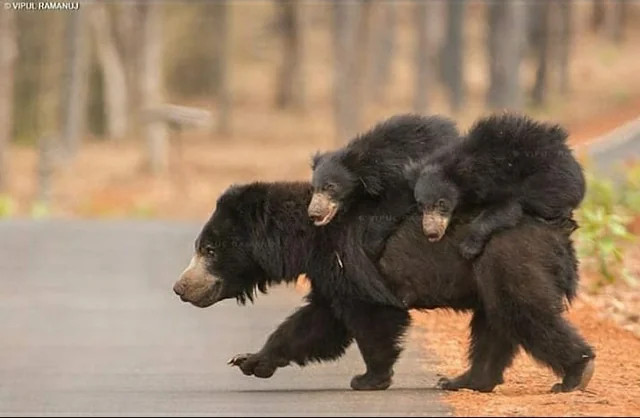
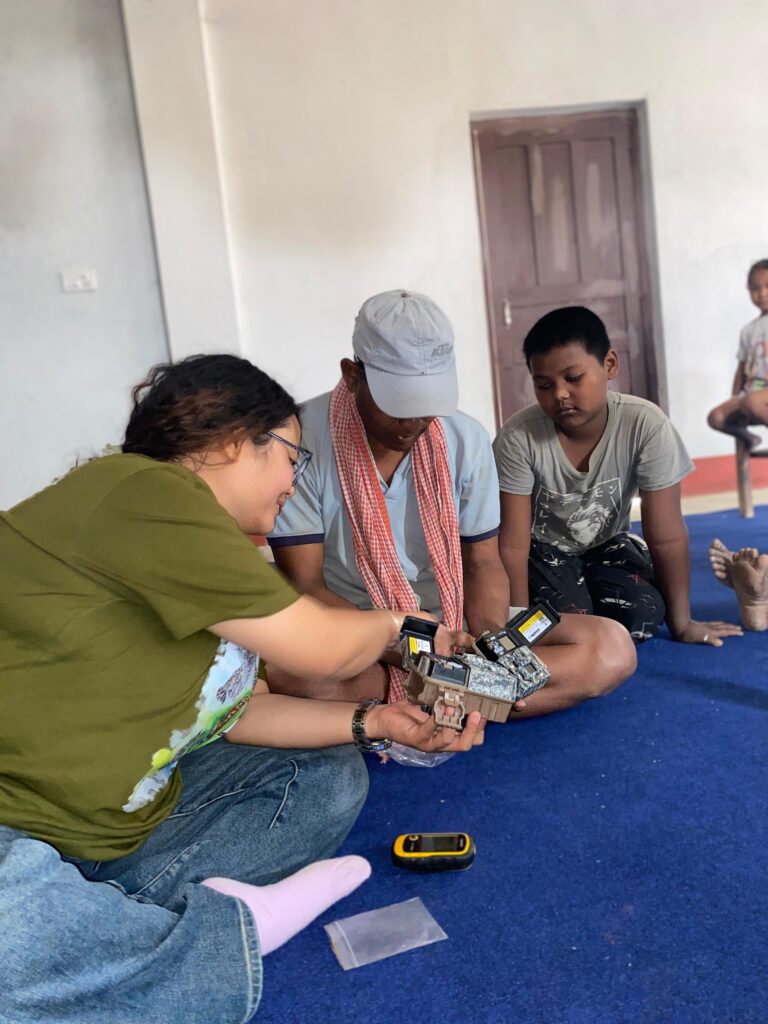
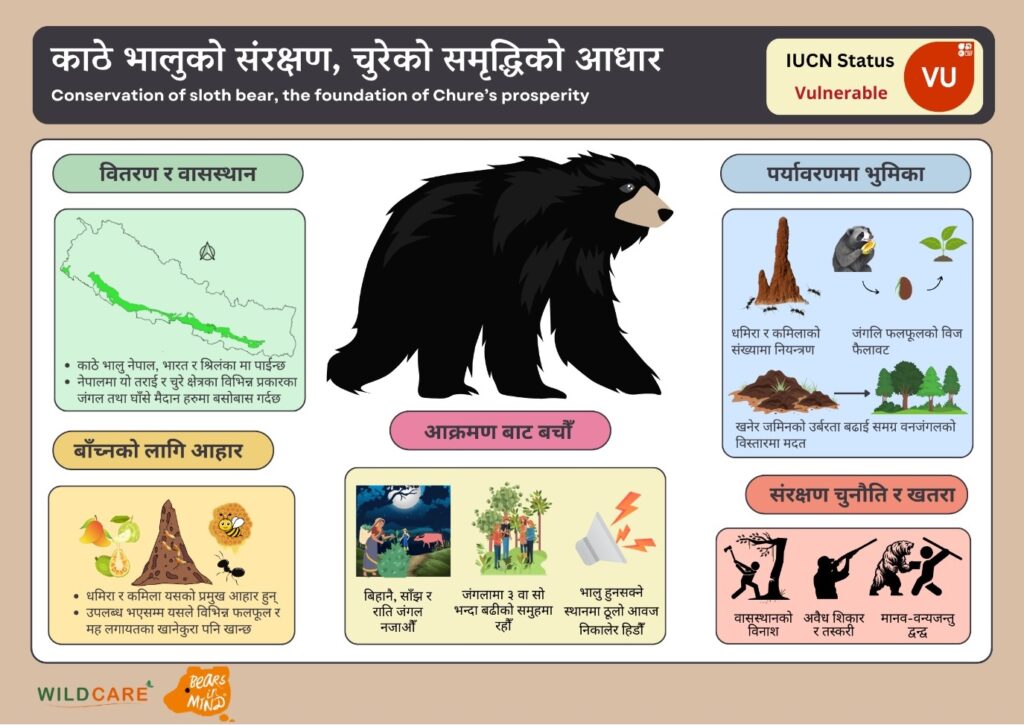
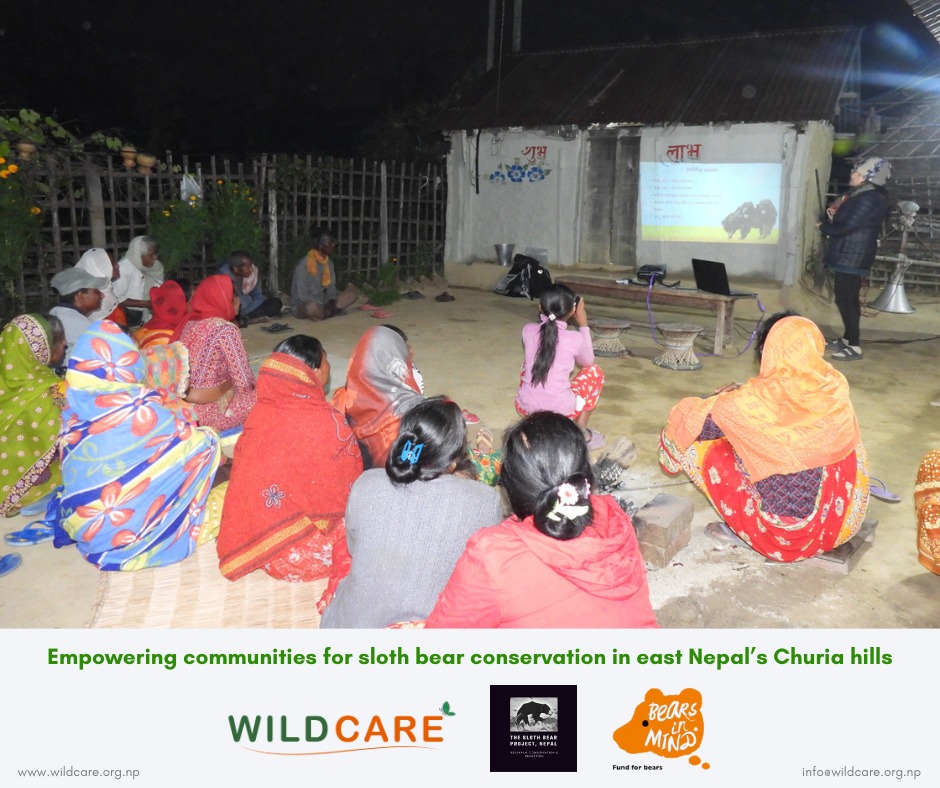
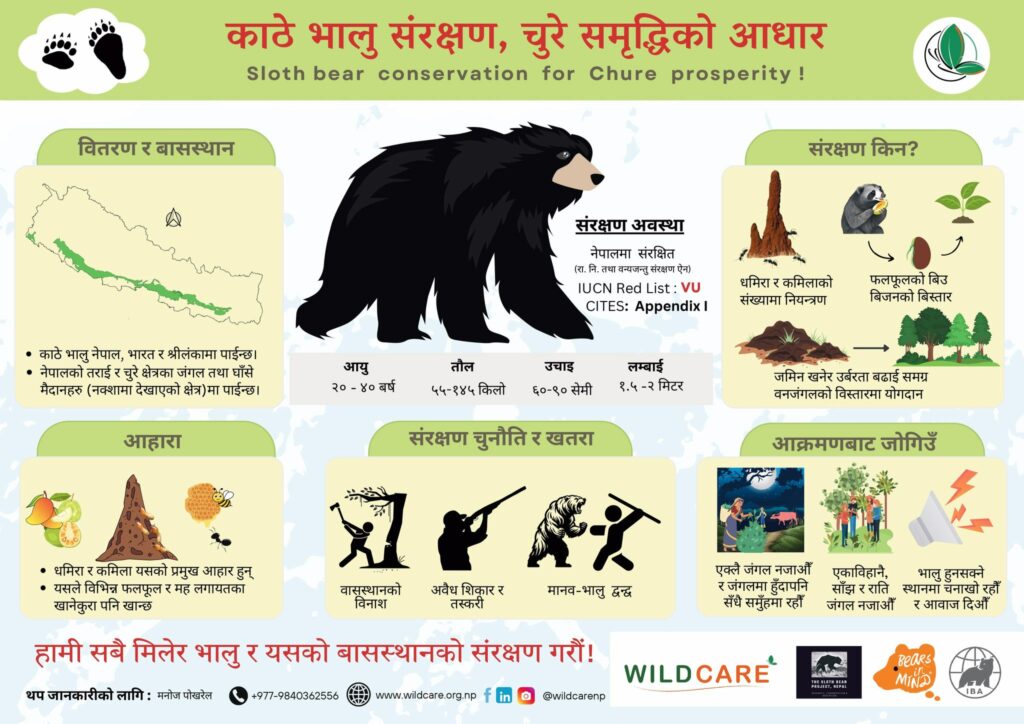
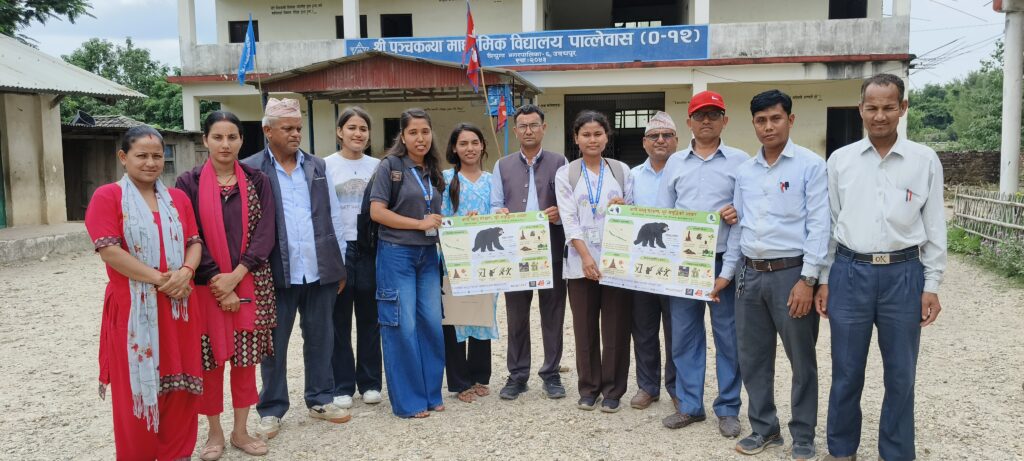
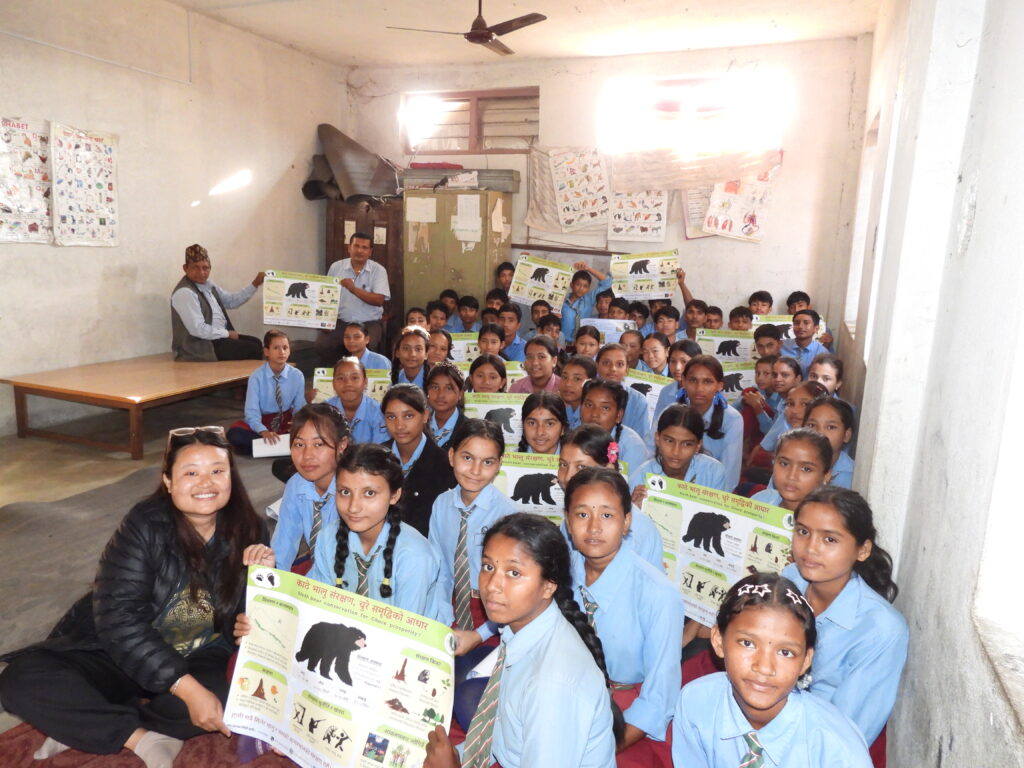
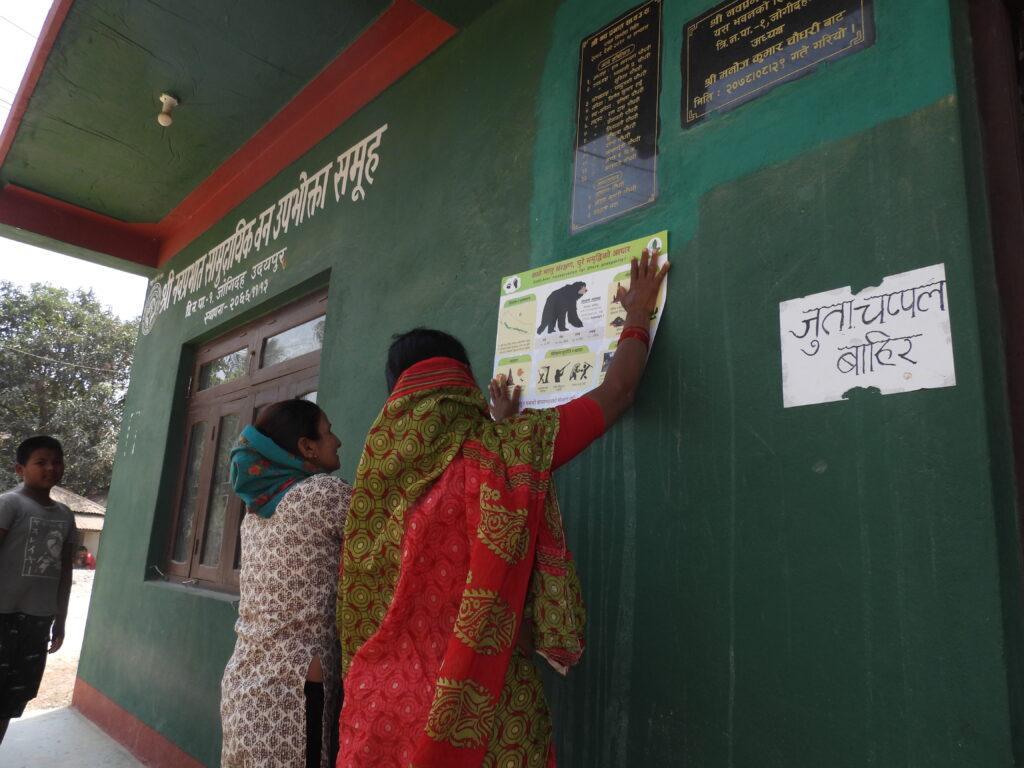
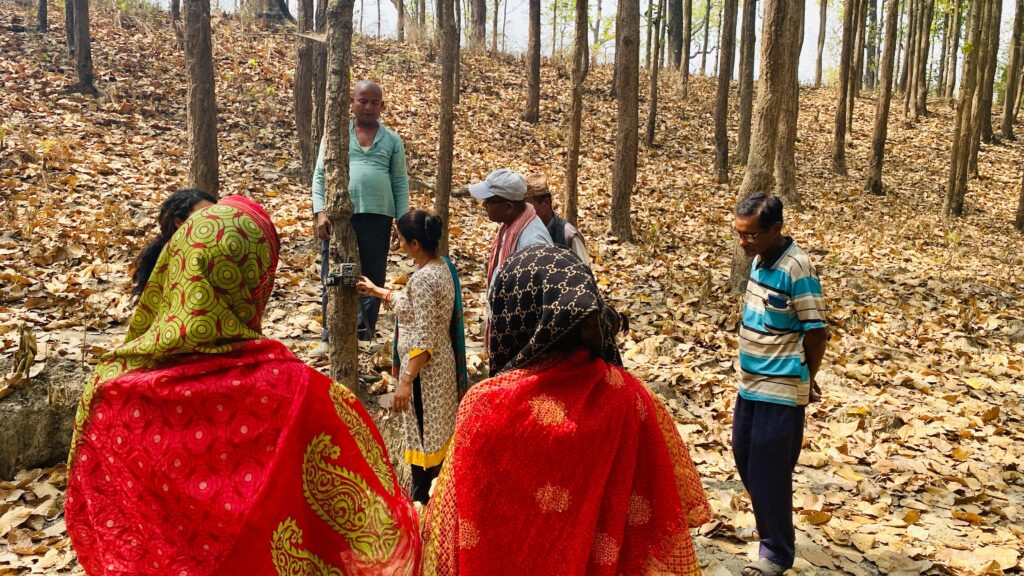
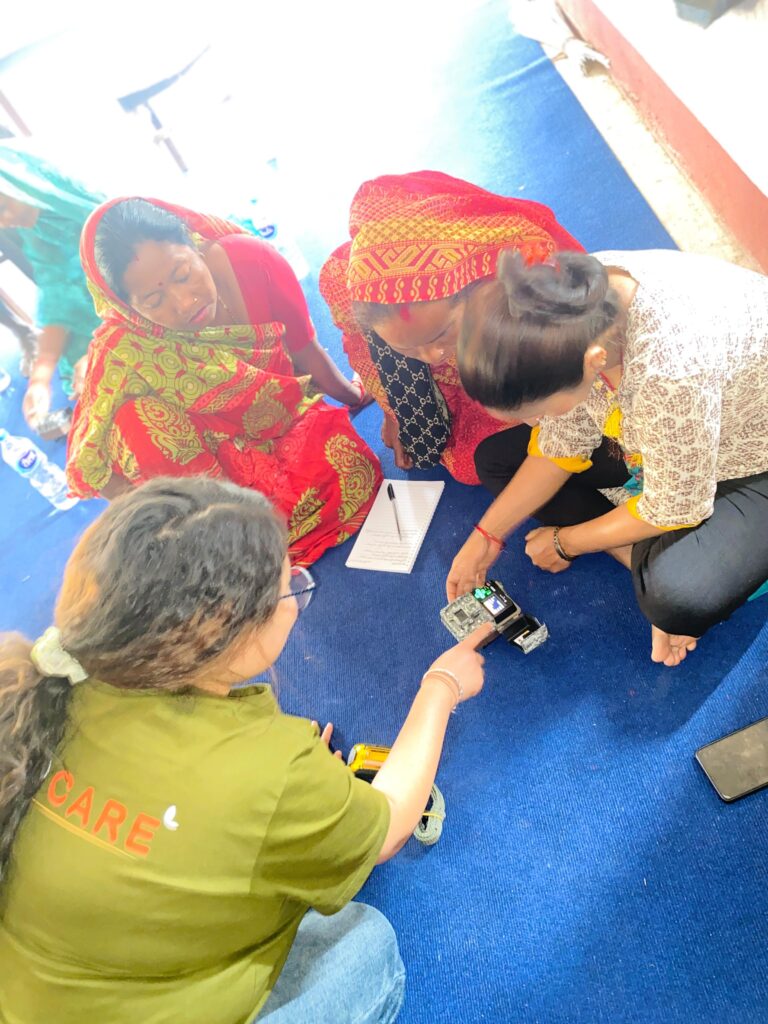
Only about 17% of the estimated 17,000 km2 of Sloth bear (Melursus ursinus) habitat in Nepal is effectively protected. The unprotected Sloth bear populations are largely confined to the forests of the Churia hills. In the eastern part of the Churia range lies the Trijuga forest which was once a stronghold for Sloth bears, but now faces unprecedented threats.

The team of WILD CARE (Wildlife Conservation and Research Endeavour Nepal) has gained extensive knowledge over the past three years in this area, and it revealed high levels of human disturbance, resulting in low bear density, patchy distribution, and intense conflicts, pushing bears to the brink of local extinction. Having obtained baseline data, the challenge now is improving locals’ awareness, perceptions and ability to coexist harmoniously with sloth bears and foster support for conservation.

This project, supported by Bears in Mind since 2024, is developed to address this challenge through (i) extensive awareness campaigns in local communities and schools, (ii) sensitization of local-level decision makers to include the needs of Sloth bears in forest use/management guidelines, and (iii) empowerment of community forest members on Sloth bear monitoring. By bridging the gap between scientific research and community engagement, the project offers hope for the long-term survival of Sloth bears in this critical habitat.

The province of Paucartambo, located in the Cusco region of Peru, has diverse ecosystems such as grasslands and cloud forests that constitute the main habitat of the Andean bear (Tremarctos ornatus), this species that plays a crucial role in seed dispersal and maintaining ecological balance. However, their survival is threatened by habitat loss, poaching, and interactions with human activities. This province is part of the Manu Biosphere Reserve, so it is important that the local population knows and values the species.

Knowing the situation of the Andean bear in this province, there is a need to have an environmental education project focused on the dissemination of its ecology and conservation. This project, executed by the non-profit Q’alachaqui with financial help from Bears in Mind since 2024, seeks to promote awareness about the importance of protecting the Andean bear and its habitat, through educational activities, interactive workshops and the participation of the local educational community. The target audience of the project is primary level students from educational institutions in the district of Paucartambo, since children recognize the cultural relationship with the species, however, they do not know or understand the impact that the Andean bear plays in the local ecosystems.

The Himalayan brown bear (Ursus arctos isabellinus) is widely distributed in countries such as Afghanistan, China, India, Iran, Iraq, Kazakhstan, Kyrgyzstan, Mongolia, Nepal, Pakistan, Turkey, Turkmenistan, and Tajikistan. In Pakistan, researchers have recorded brown bear populations in 15 localities, with only the Deosai plateau and the Khujarab National park having an increasing population due to conservation efforts. However, other populations are thought to be declining. The Himalayan black bear (Ursus thibetanus) on the other hand, has a restricted distribution in the Himalayan range from Bhutan through Kashmir, Sikkim to Pakistan. In the past, it was present in all mountain areas of northern Pakistan but has faced a sharp decline in the last 40-50 years. There is limited information available about the species.

The study, carried out by a PhD student at the Malakand University and funded by Bears in Mind since 2024, aims to investigate the human-bear interactions, habitat preferences, occupancy patterns, density patterns of bears in the area, population structure, inbreeding, and migration patterns of the bears using genomics. The information generated from this study will be valuable for the conservation of these species and the development of effective management strategies to mitigate human-bear conflicts and conserve the species in their natural habitats.

The Asiatic black bear (Ursus thibetanus) is one of the iconic species in Pakistan, which occupies mountainous ecosystem of the Hindu Raj Mountain Range (HMR) and extirpated from the most of its historic range in Pakistan. The species population is continuously declining and the known distribution range of these bears is shrinking due to habitat loss and fragmentation. The species has faced local extirpations from several valleys in the region. Bears face threats like habitat loss and fragmentation due to the ever growing human population and infrastructure, poaching for trade in body parts, and competition with growing livestock numbers over limited food and poor range land management practices.

Extreme weather conditions, difficult terrain and political unrest make scientific exploration challenging in the habitat of these bears. This means information on the species existence is still either non-existent or anecdotal for a major part of the species range. Lack of information limits the provincial wildlife departments and conservation organizations for appropriate planning and management of the bear population.

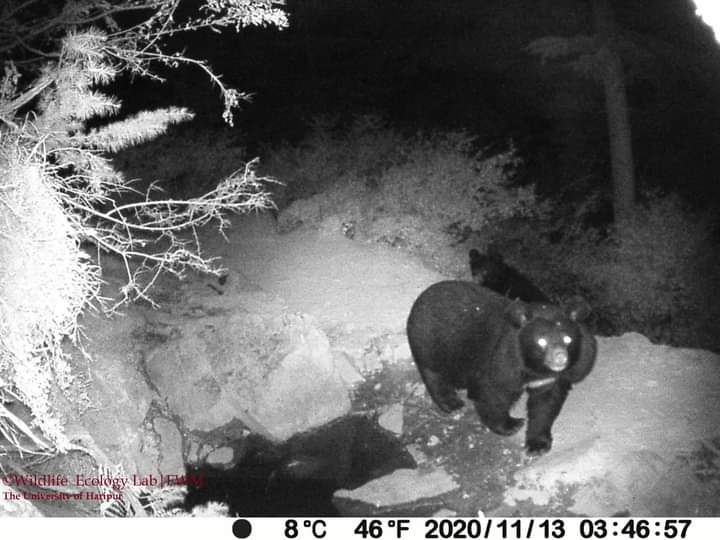
This project by the Wildlife Ecology Lab at the University of Haripur, financially supported by Bears in Mind since 2024, aims to fill information gaps, spatiotemporal distribution pattern, population dynamics, negative interactions over livestock losses and crop damages and identification of key conservation areas. The modern data collection and analytical approaches will be adopted to build a scientific database of bears in HMR. Awareness session with communities and capacity building of wildlife staff will also be facilitated during the project activities.

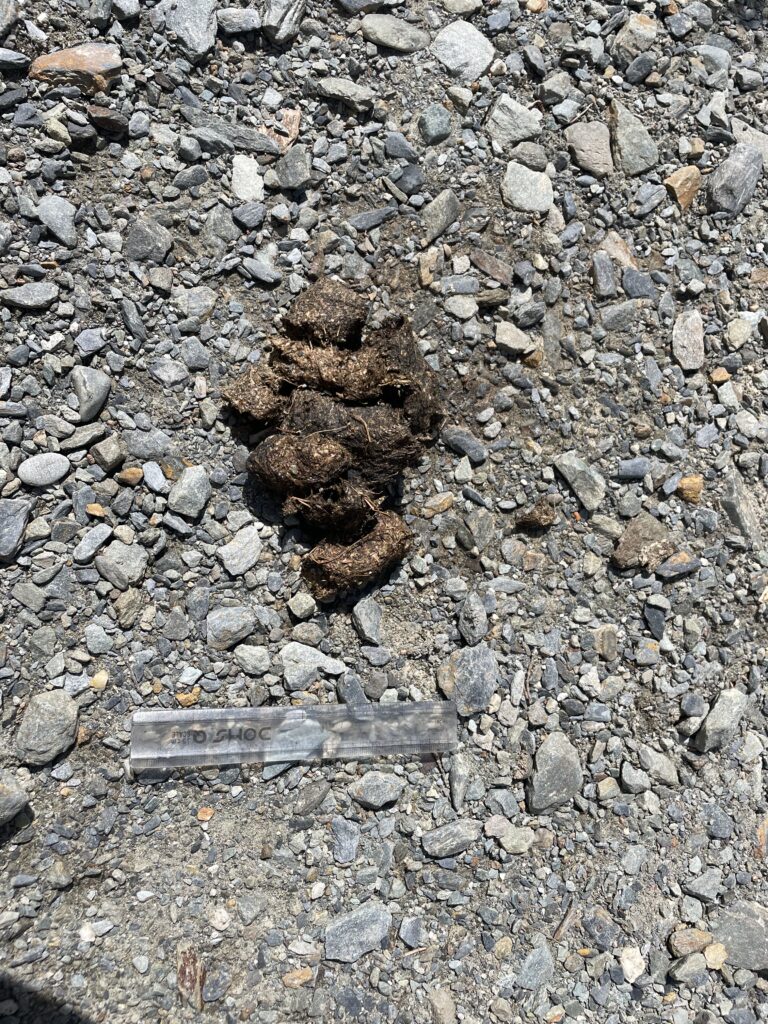
Gut microbial diversity of Asian bears is poorly studied; most studies have been conducted on brown bears and other European and American bear species. The goal of this research project by the Wildlife and Conservation Biology (WCB) Research lab is to study the gut microbial diversity of wild and captive Sloth bears in order to understand and compare microbial diversity.

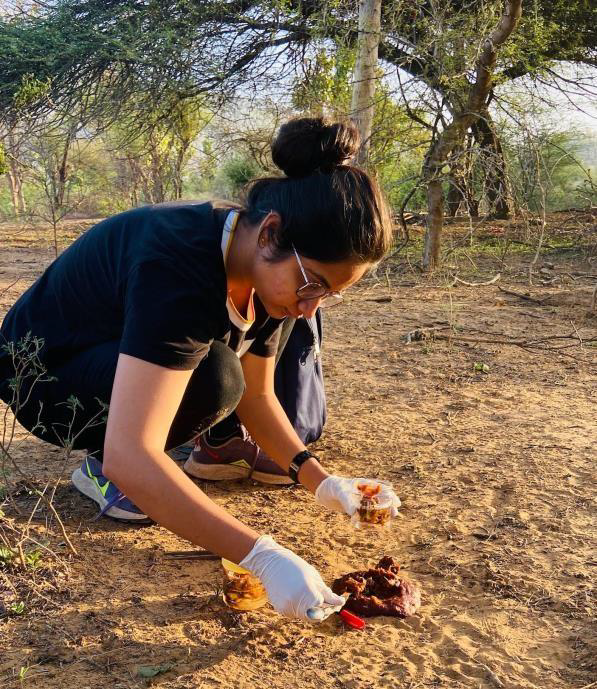
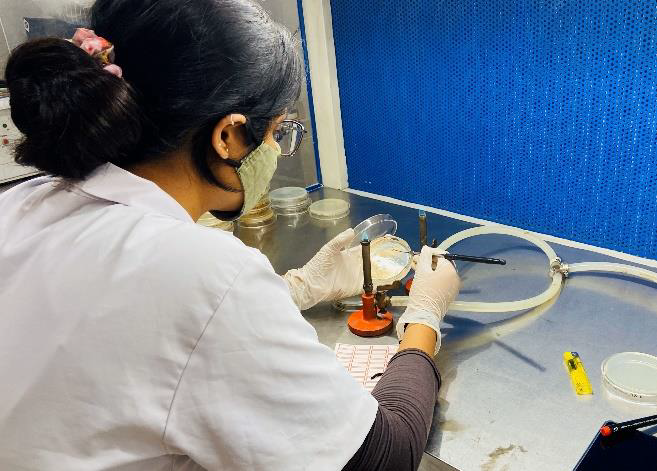
The scat samples of wild sloth bears will be collected from Jessore wildlife sanctuary, in Gujarat state, which is known for the high density of Sloth bears in India. The samples of captive sloth bears will be collected from various zoos and bear rescue facilities in India. Fresh scats will be collected in a sterile bottle containing normal saline solution, and the microbial isolation will be carried out by conventional microbiological methods. Further identification will be done using Vitek-2 compact, an automated rapid identification system used for microbial identification. Genotypic analysis will be performed using 16s rRNA analysis by Sanger sequencing, followed by data analysis using BLASTN.

Microbiome biology is currently a relatively unexplored subject in conservation biology, but it has immense promise for understanding the effects of habitat degradation and nutrient availability. The findings will help to the zoos worldwide where the Sloth bears are kept and the State Forest Department to understand the health status of wild Sloth bears and their seasonal nutritional requirements.

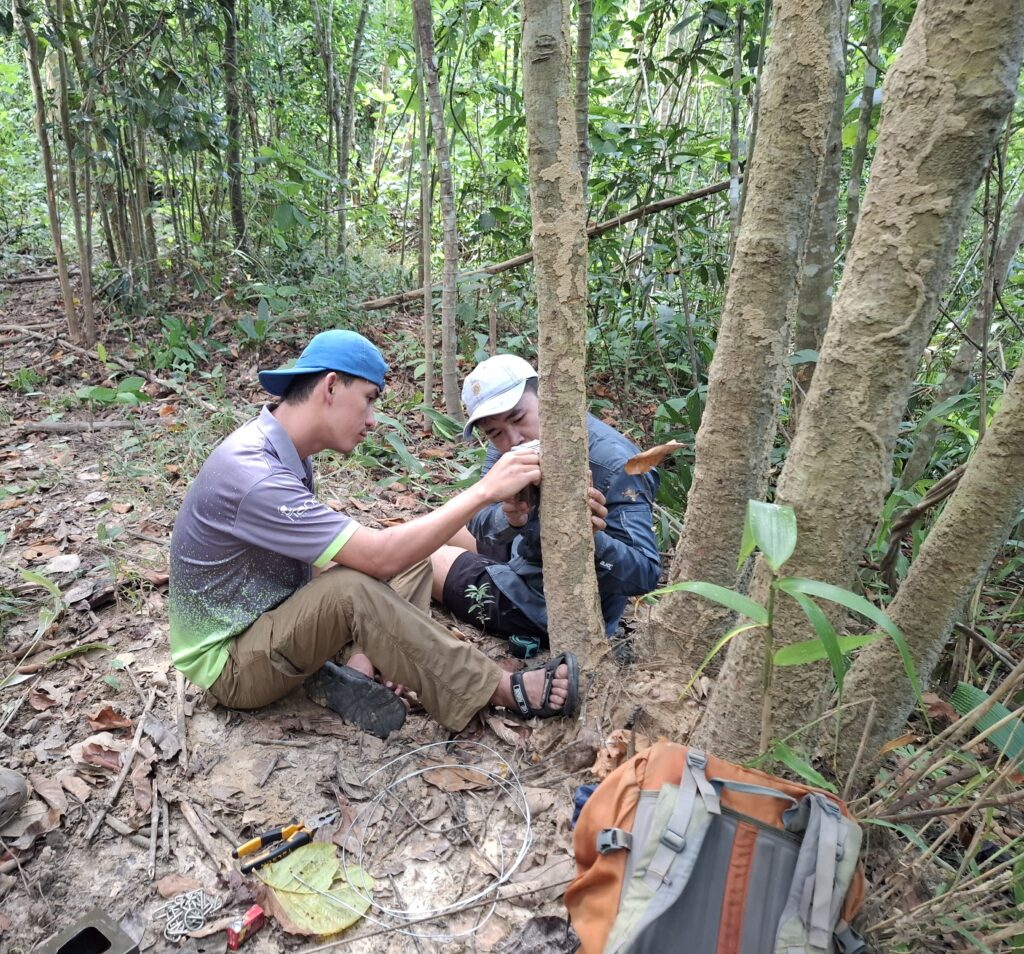
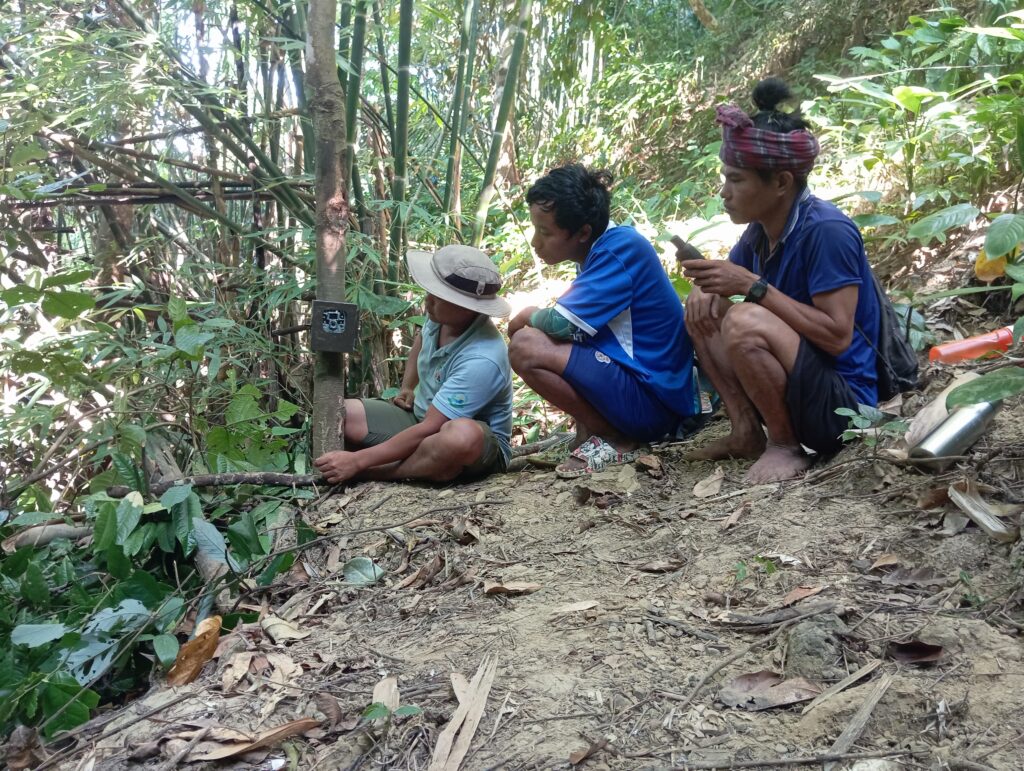
Conservation efforts in Bangladesh have predominantly focused on large charismatic species in the Sundarbans, such as Bengal tigers (Panthera tigris tigris). However, beyond the Sundarbans, the ecology, risk assessment, local perception and conflict management for species like the Asiatic black bears (Ursus thibetanus) and Sun bears (Helarctos malayanus) inhabiting the Chittagong Hill Tracts’ (CHT) primary and agro-mosaic forest landscape in the southeast of the country, has not been adequately recognized.

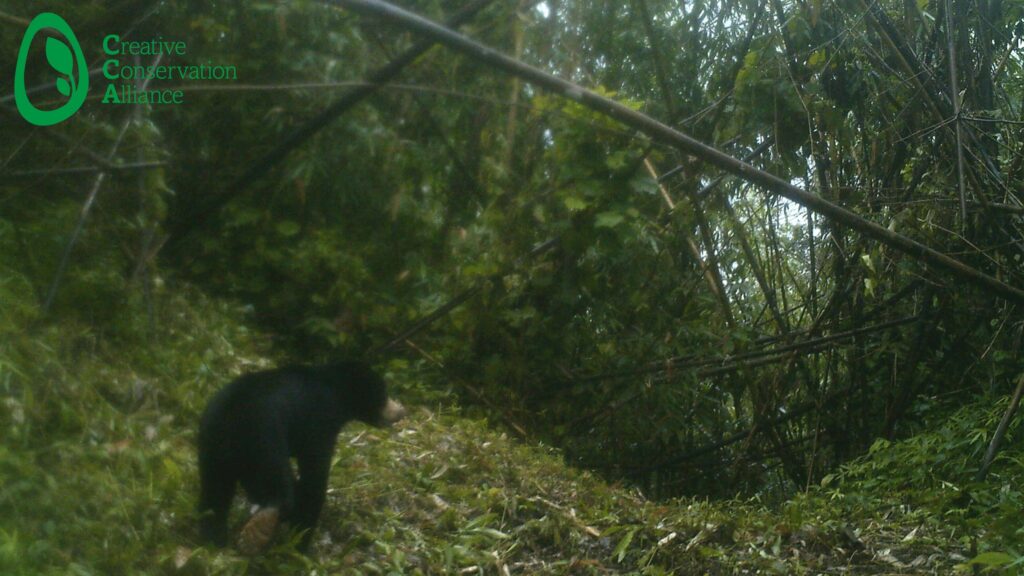
As the sympatric existence of Asiatic black bear and Sun bear has been documented from the CHT, there is no information on bear foraging ecology and coexistence to date. Anecdotal reports of human-bear conflicts suggest that loss and fragmentation of suitable forest habitat and reductions in food sources have increased the likelihood of human-bear conflicts as both species frequently encounter cultivated areas, often resulting in retaliatory killings. The lack of systematic studies and targeted conservation efforts for bears, coupled with the prevalent threats of habitat loss, retaliatory killing, and poaching, poses a significant risk of local extinction. Furthermore, the inadequate understanding of local communities’ attitudes toward bears exacerbates the challenges in implementing effective conservation strategies.

Thus, there is an urgent need for comprehensive research and conservation initiatives focused on bears in the CHT region to mitigate the threat of extinction and promote coexistence between bears and human communities.

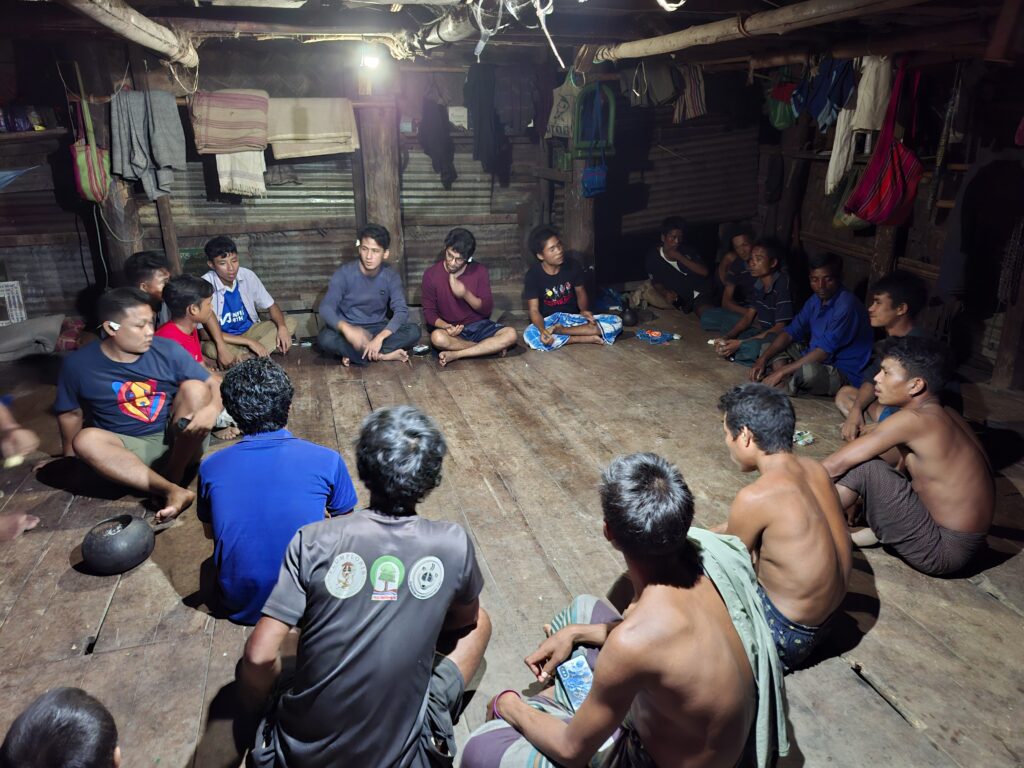
The aim of the project is to increase our understanding of bear distribution and habitat utilization in a human-dominated landscape and engage the local communities to build a foundation for a longterm community-based bear conservation program in the region.

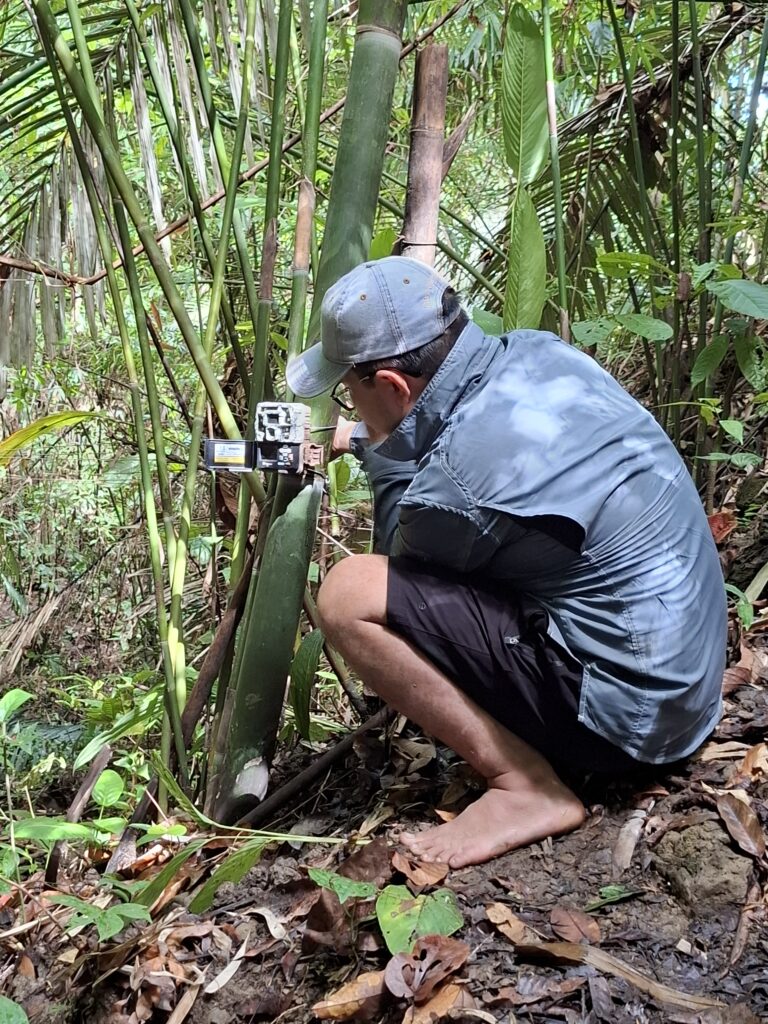
Bears in Mind financially supports this project since 2024. The CCA team has now confirmed sun bear presence within Matamuhuri Reserve Forest and the neighboring Sangu Reserve Forest, which retains relatively undisturbed primary forest. The Matamuhuri complex has suffered extensive habitat fragmentation due to shifting cultivation, settlement expansion, and logging—leaving behind only small, isolated forest patches.
Tasked with the huge challenge of conserving nature in a changing world, biologists are turning to new technologies to better understand wildlife and monitor trends. Simultaneously, it is now understood that monitoring programs combining multiple knowledge-based systems improves the management and conservation of wild species and places.

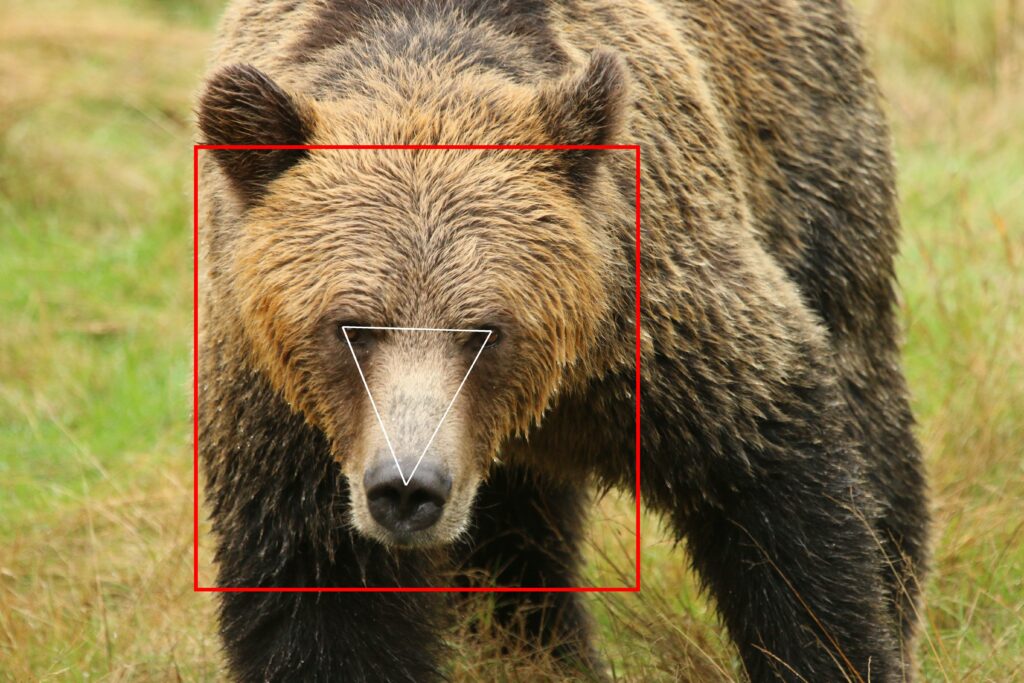
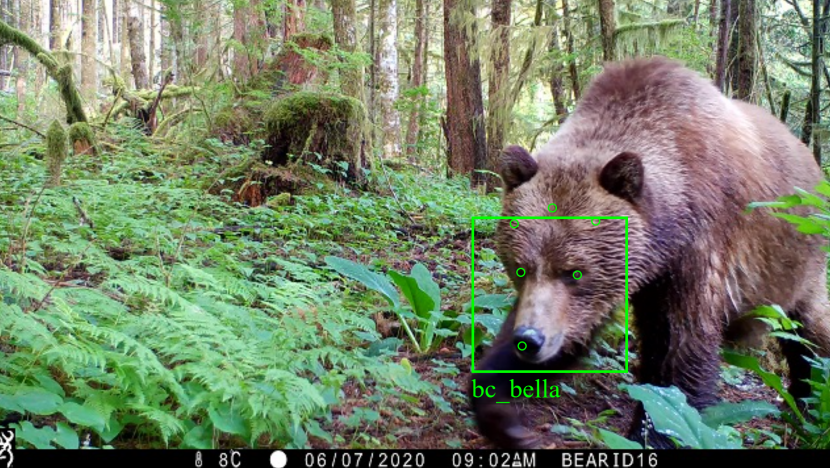
Bear face detection software developed by researcher Melanie Clapham

This project, funded by Bears in Mind since 2023 and led by an Indigenous non-profit society called Nanwakolas Council Society (NCS), works within this capacity, advancing bear conservation through automated visual identification, coupled with brown bear research and monitoring using Indigenous Knowledge. The team previously used machine learning to develop software that identifies individual brown bears in images using facial recognition. The team now plans to apply this software to generate vital knowledge for landscape and bear conservation. The team has partnered with Indigenous Guardian programs from six First Nations, combining local knowledge with scientific data on individual bear movements to generate new ecological knowledge and a novel method of wildlife monitoring. The teams approach and open-sourced software will provide a replicable technique that can be applied to other bear species worldwide. Results will directly inform brown bear conservation planning in the Southern Great Bear Rainforest – the largest tract of connected coastal temperate rainforest left on the planet, and therefore of international significance.

All images used here are (c) BearID Project

Individual bears recognized by AI (c) BearID Project