Home > India

Diets are an important component of a specie’s ecology and functioning, offering insight to their role in the ecosystem, potential competition with other species, and other important biological parameters including niche breadth, trophic specialization, food selection etc. While a number of research articles are available on dietary composition of large carnivores, there is a scarceness of information on the dietary preference of the elusive Sun bear in the changing landscapes of Southeast Asia.

Sun bears with varied home ranges and highly diverse dietary choices, demonstrate significant adaptations and survival superiority even in degraded landscapes. However, with their shrinking home range sizes and demands for high-caloric food, which often drive them outside of protected areas, the risk of human threats has increased many folds for this little-known species. The increase in human footprints and anthropogenic activities both inside and outside protected areas has made it critical to understand how Sun bears use the landscapes across space and time, where and why they occur most, and knowing what food resources they depend upon to help facilitate coexistence and develop practically efficient conservation plans by protected areas managers.

The project aims to understand the flexibility in diet of Sun bears and develop a community-based conservation model for coexistence of bear and humans in the landscape. The defined objectives include;

  • Determine the dietary pattern of Sun bears with respect to agricultural practices,
  • Develop a risk probability map of human-sun bear conflict in and around Dampa Tiger Reserve based on occupancy and distribution,
  • Understand the community concerns and experiences regarding conflict with sun bears including the nuanced context in which conflict occurs,
  • Develop a community-based conservation model for best management practices including spatially-explicit diversionary feeding strategies, and share with communities through outreach workshops.

The Sun bear and the Asiatic black bear—both protected under CITES Appendix I and India’s Wildlife (Protection) Act, 1972—are classified as Vulnerable by the IUCN. In India, limited data on their populations, habitat use, and threats hinder effective conservation, while habitat loss, fragmentation, and poaching intensify risks. Namdapha Tiger Reserve in Arunachal Pradesh presents a rare setting where these two bear species may coexist, yet their ecological interactions, spatial distributions, and niche overlaps remain poorly understood amid increasing forest degradation and human encroachment.

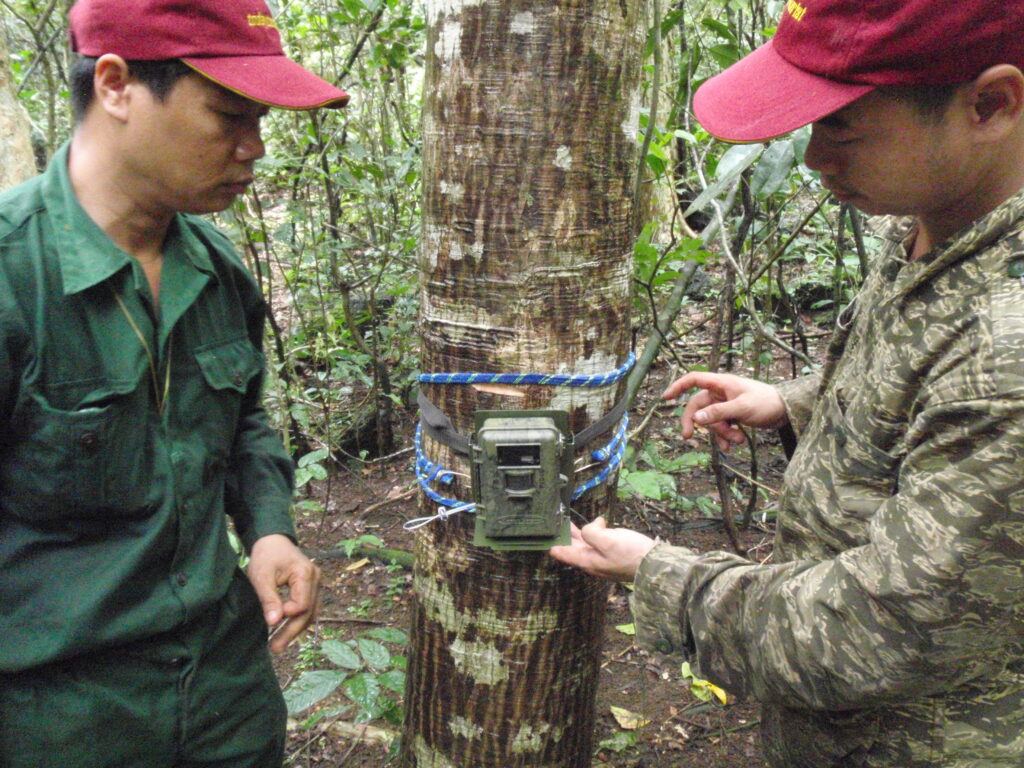
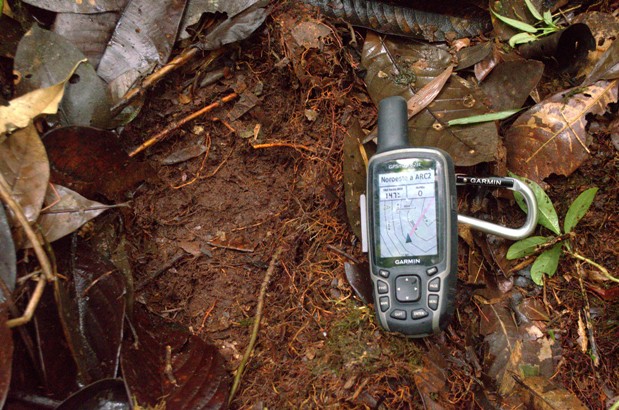
This project by the Amity Institute of Forestry and Wildlife aims to fill key knowledge gaps by examining niche overlap, spatial distribution, and habitat preferences of coexisting bear species in Namdapha. Using habitat suitability modeling, gap analysis of protected and reserve forests, and threat-zone identification, the study will combine field surveys—line transects, camera traps, and GPS-based presence records—to map current distributions, identify critical habitats, and assess conservation effectiveness.

A central component is community-based conservation through sensitization programs, village meetings, and workshops to raise awareness and reduce human–bear conflict. By integrating ecological research with participatory approaches, the project seeks to inform practical management plans and policy recommendations, supporting long-term habitat protection and the survival of bear species in the Namdapha landscape and across Northeast India.

Sloth bears (Melursus ursinus) rely on dens for reproduction, cub-rearing and shelter. Yet their denning ecology remains poorly studied, particularly in Gujarat – India. This new project by the WCB Research Lab and funded by Bears in Mind since 2025, aims to investigate sloth bear den site selection in northern Gujarat, encompassing both protected areas Jessore and Balaram-Ambaji Wildlife Sanctuaries (WLS) and human-disturbed forests (Polo Forest and surrounding areas of sanctuaries).

By examining habitat characteristics, terrain features, and human disturbances, this study will identify key factors influencing den selection. Data collection will include field surveys, sign identification and camera trapping to confirm den usage. Environmental parameters such as slope, aspect, vegetation type, and forest cover will be recorded, along with spatial proximity to water sources, roads, and settlements. Mapping and statistical analyses, including Generalized Linear Mixed Models (GLMM), will be used to evaluate habitat suitability.

The findings will contribute to conservation planning by identifying critical denning habitats and assessing risks posed by human activities. This research will provide science-based recommendations for habitat management and conflict mitigation, supporting long-term conservation efforts for sloth bears in Gujarat.

The Sloth bear population is declining across their distribution range due to habitat degradation, habitat loss, and facing conflicts with humans. These threats are expected to accelerate with increasing urbanization and demand for natural resources. Over the past decade, human interference in their habitats has led to a rise in Human-Sloth bear conflict in India.

Community outreach program

Rajasthan, the largest state in India, has limited scientific data on Sloth bears. Existing studies focus mainly on distribution, diet within a single protected area, and local perceptions of the species. These studies highlight the urgent need for further research due to increasing poaching and habitat degradation. This study by the Centre of Excellence for Wildlife and Conservation Studies (CWCS) Bhakta Kavi Narsinh Mehta (BKNM) University, supported by Bears in Mind since 2024, aims to investigate occupancy, genetic variability, and population structure across southern Rajasthan in the known distribution range of Sloth bear with an aim to identify local, landscape and genetic data and also contribute to the IUCN Bear Specialist Group’s project on Asian bears range mapping.

Preliminary findings at the end of 2025 already indicate forest-dependent occupancy patterns and highlight important habitat corridors, requiring conservation attention.

Across the Western Himalayas, Himalayan Brown Bear (Ursus arctos isabellinus) and Himalayan Black Bears (Ursus thibetanus), live in proximity with people. These people, many of whom are from various indigenous and tribal groups, are primarily either transhumant pastoralist (eg. the Bakerwals and Gaddis) or agriculturalist (primarily horticulturalists cultivating fruit like apples). This proximity of bears with people is increasingly being augmented by climate change which is altering cropping patterns and habitat loss. This is leading to increased negative human-bear interactions which include, but aren’t limited to, increased raiding of crops by bears and depredation of livestock. Most of which is met with retaliatory killing of bears. If the financial impacts of livelihood loss by bears isn’t adequately mitigated, the illegal retaliatory killing of bears can also lead to engagement in illegal trade of bear parts.

Besides this, direct poaching of bears for their gall bladder is a huge conservation challenge, but often under the shadow of welfare and bear-human conflict issues. All of these conservation threats to bears are spatially explicit, hence in collaboration with Dr. Hinsley, the team aims to identify spatially-explicit priorities for bear conservation across the Western Indian Himalayas.

Based on this baseline information, the team also aims to operationalize a local champions network in one region to actively work towards human-bear conservation interventions to ensure bear conservation while protecting people’s livelihoods.

Bears in Mind supports the project since 2024.

Sloth bears (Melursus ursinus) are one of the umbrella species that play an important role for the ecosystem, and is now considered as Vulnerable as per IUCN. The major reason for the continuous decline in its population is habitat degradation and fragmentation due to human settlements and anthropogenic pressures. This has resulted in loss of genetic exchange and hence functional connectivity. If it continues at the same rate, there will only be groups of isolated populations of Sloth bears with very low genetic diversity and high risk of inbreeding depression, ultimately resulting in extinction.

An earlier study by Thatte et al. (2019) highlighted the negative impact of human settlements and landscape features on Sloth bear functional connectivity. Another study by Dutta et al. (2015) also highlighted the importance of corridors for Sloth bears in Satpura-Maikal Landscape. In this project, the team wishes to investigate genetic diversity, gene flow and population structure in the western part of Maharashtra that will include three protected areas; Melghat Tiger Reserve, Yawal Wildlife Sanctuary and Gautala Wildlife Sanctuary. There has been information to connect these areas through corridors based on movement of tigers, but none of the studies have been carried out to identify the functional connectivity in this region.

This study, co-funded by Bears in Mind and the IBA since 2024, investigates the effect of landscape features on functional connectivity among Sloth bear populations in the Melghat landscape, India.

Gut microbial diversity of Asian bears is poorly studied; most studies have been conducted on brown bears and other European and American bear species. The goal of this research project by the Wildlife and Conservation Biology (WCB) Research lab is to study the gut microbial diversity of wild and captive Sloth bears in order to understand and compare microbial diversity.

The scat samples of wild sloth bears will be collected from Jessore wildlife sanctuary, in Gujarat state, which is known for the high density of Sloth bears in India. The samples of captive sloth bears will be collected from various zoos and bear rescue facilities in India. Fresh scats will be collected in a sterile bottle containing normal saline solution, and the microbial isolation will be carried out by conventional microbiological methods. Further identification will be done using Vitek-2 compact, an automated rapid identification system used for microbial identification. Genotypic analysis will be performed using 16s rRNA analysis by Sanger sequencing, followed by data analysis using BLASTN.

Microbiome biology is currently a relatively unexplored subject in conservation biology, but it has immense promise for understanding the effects of habitat degradation and nutrient availability. The findings will help to the zoos worldwide where the Sloth bears are kept and the State Forest Department to understand the health status of wild Sloth bears and their seasonal nutritional requirements.

Sloth bear (Melursus ursinus) habitat is being degraded and fragmented in the Indian sub-continent. More than 85% of the Sloth bear population occurs in India, which is facing multiple threats such as habitat fragmentation, degradation and human-sloth bear conflict. While protected Sloth bear habitats are studied well, Sloth bear ranges in unprotected area have a lack of information and research. It is very important to understand the status and movement of Sloth bears in non-protected areas for conservation actions.

Previous studies also reveal that most of the Sloth bear attacks are prevailing in the non-protected areas and in the villages on the fringes of forests. The present research, carried out by WCB Lab, Department of Life Sciences, Hemchandracharya North Gujarat University, aims to study habitat quality, movement of Sloth bear and Human-Bear Conflicts in non-protected areas of Gujarat state of western India. It is felt that the findings of this research study would be lighten up status of Sloth bear and its habitat in Gujarat and would be also helpful in preparing conservation and management plans for such non-protected forest areas of the state, focusing on Sloth bear conservation and mitigating Human-Bear Conflicts.

Bears in Mind financially supports the research by WCB Lab in India since 2022.

The target species for this project, the Himalayan brown bear (Ursus arctos isabellinus) (HBB) is also the cause of escalating conflicts with humans in the Trans-Himalayan part (Ladkah) of their range in Indian Himalaya. They depredate on livestock, damage crops, and often enter villages for food. The magnitude of livestock depredation ranged from 0.6% in Kashmir to 10-40% in Ladakh. In recent years (2016-2017), HBBs were responsible for >70% of total livestock loss to carnivores in Kargil, Ladakh. The reasons for this spike in HBB depredation on livestock is unknown. These negative interactions not only dent the local livelihood and economies, but also generate an overall resentful attitude towards the species, which sometimes manifests in retaliatory killing of bears, as reported in one such incidence in the Drass region of Ladakh, where a sub-adult bear was stone-pelted and cornered to a cliff face, ending in a fall and death of that bear.

Effective measures for conflict avoidance and resolution must include social factors, including community education and stewardship. Education and awareness building programs are one of the prescribed activities in community-targeted actions for conflict management, as suggested by the IUCN’s Bear Specialist Group’s Human-bear Conflict Expert Team. These activities help in sensitizing people to know more about their surroundings including bear ecology, develop critical thinking by increasing their knowledge, and may help in changing their attitude and behaviour. Animosity to wildlife has been shown to dilute when people are made aware of the actions to avoid and tackle wildlife-conflict situations.

The specific objectives of this project, funded by Bears in Mind since 2021 and implemented by the Snow Leopard Conservancy – India Trust, are:

  • Community education to motivate sustainable use of alpine pastures and medicinal plant collection through engaging activities inspired and designed by using game theory.
  • Building dedicated stewardship of local communities for human-bear conflict avoidance and mitigation by inspiring volunteer citizens from local communities to be the ‘Bear Guardians’.

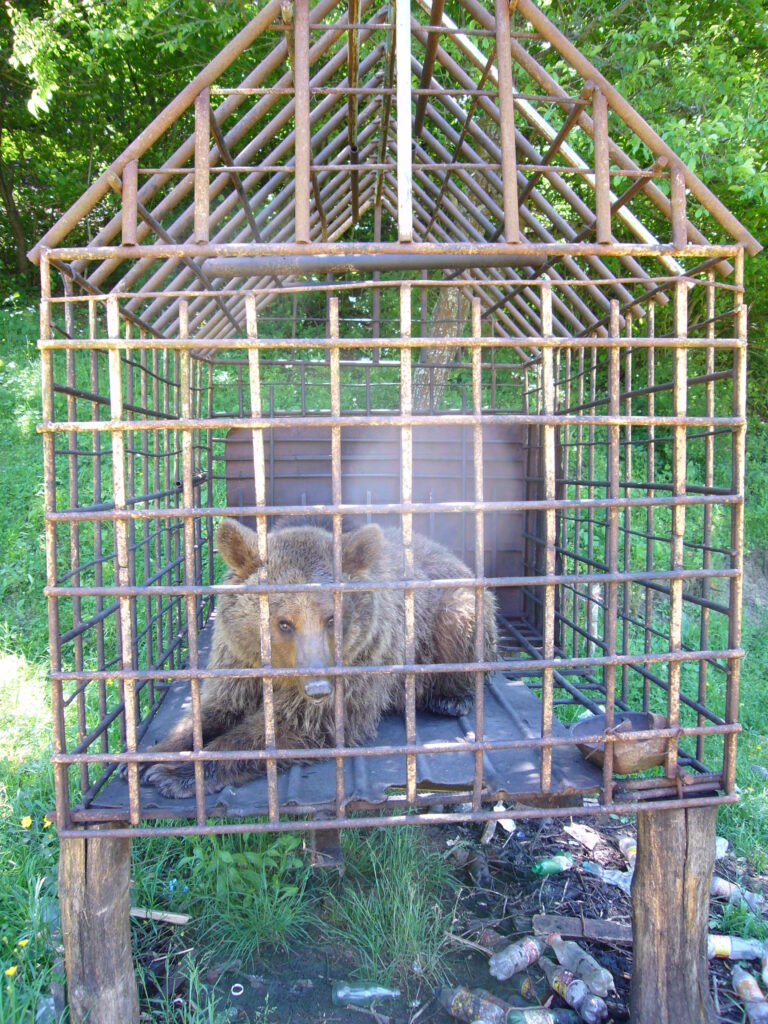
In India, habitat fragmentation and destruction is one of the main threats to bears, others being poaching for bile extraction (this has started in India according to a recent report), poaching for meat (rampant in some states) and human/animal conflict within or near the forest.

Public awareness
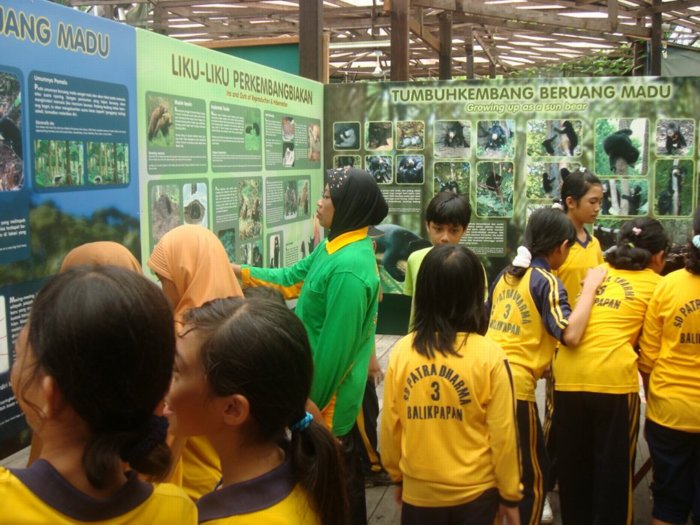
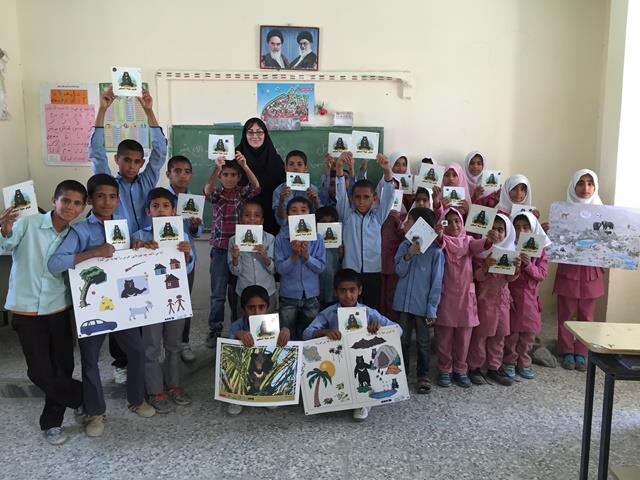
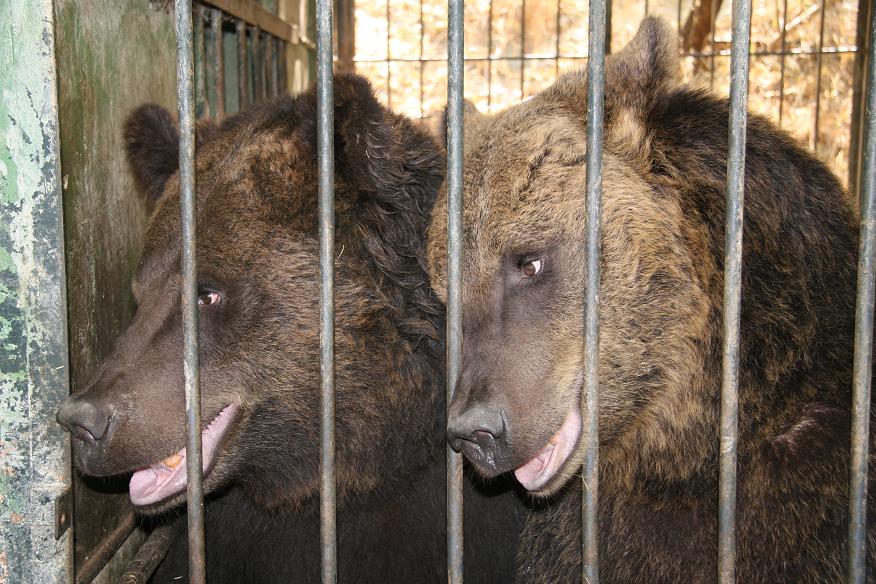
India is very progressive when it comes to bear education. Bears in Mind has supported the educational work of the local NGO Zoo Outreach Organisation (ZOO). Their education project reaches schools, zoos and museums. Back in the day, the problems with dancing bears in India are considerable. Several thousands of cubs, usually sloth bears, were been taken from their mothers and trained to be dancing bears. ZOO managed to make people aware of the suffering that is caused by this ancient, yet cruel tradition. Between 2002-2012 teaching packages were made with financial support of Bears in Mind. These packages consisted of all sorts of educational games, t-shirts, stickers and posters. More importantly, information about the way brown bears, sloth bears, Asiatic black bears and Sun bears in India were threatened, was included. India is the only country with four different bear species and it is therefore very important to protect them all.

ZOO Outreach Organization has been working with Bears in Mind for 10 years to improve the welfare of bears in India as well as their conservation in the wild. This has been done entirely with education, starting with a conservation education programme aimed at two groups; the visiting public (or organisations which educate them) and the zoo directors of zoos that have bears in their collection. 6,000 bear packets have been printed and ordered by 59 organisation and 8,000 posters have been printed and ordered by 56 different organizations.