

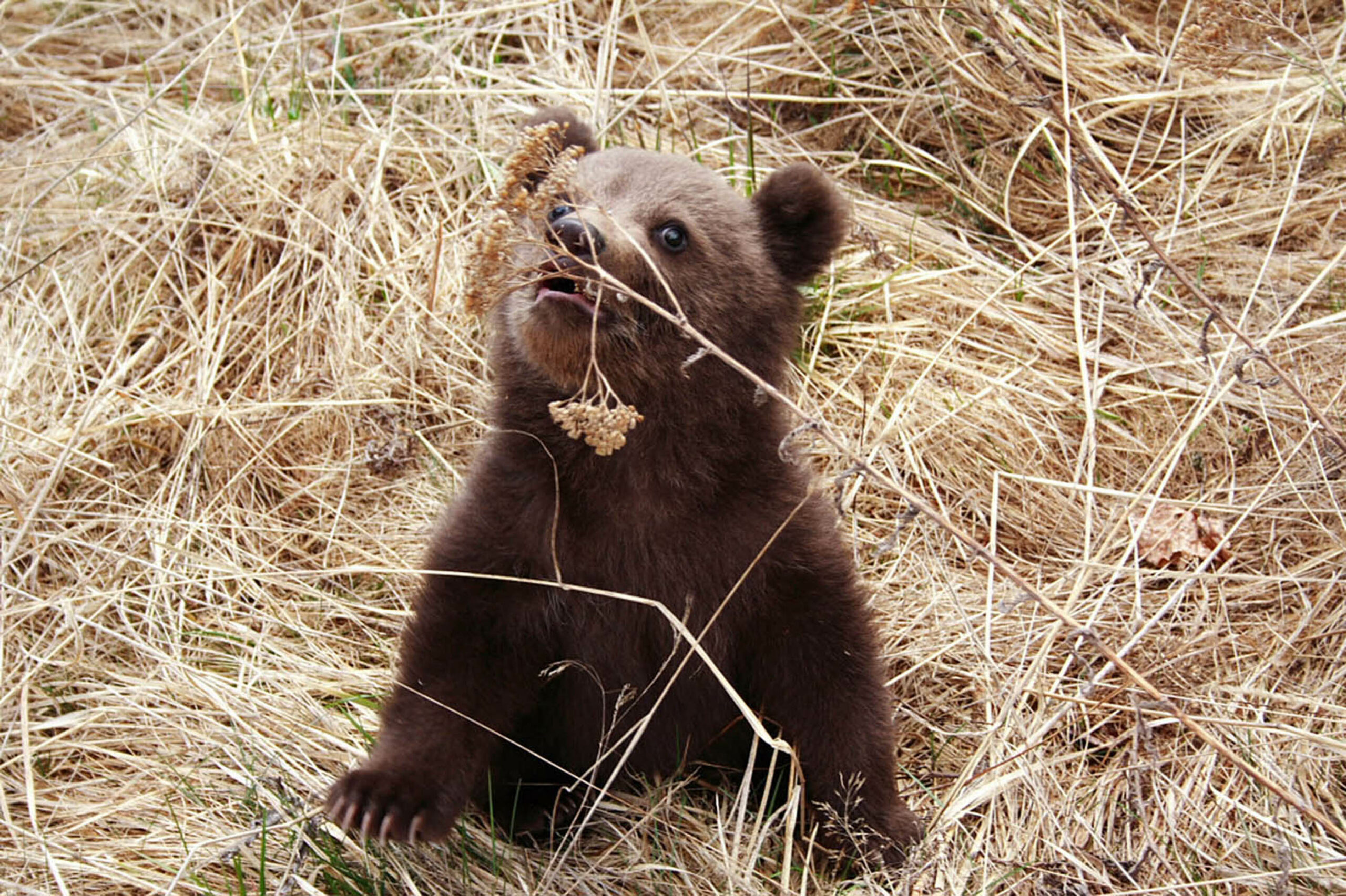
The Andean bear or Jucumari (Tremarctos ornatus), the only bear species in South America, is classified as Vulnerable (VU) by the IUCN. As a flagship species of the tropical Andes, it inhabits cloud forests and highland grasslands that are essential for water regulation and climate stability. Yet in Bolivia, habitat loss and human–wildlife conflict increasingly threaten its survival.
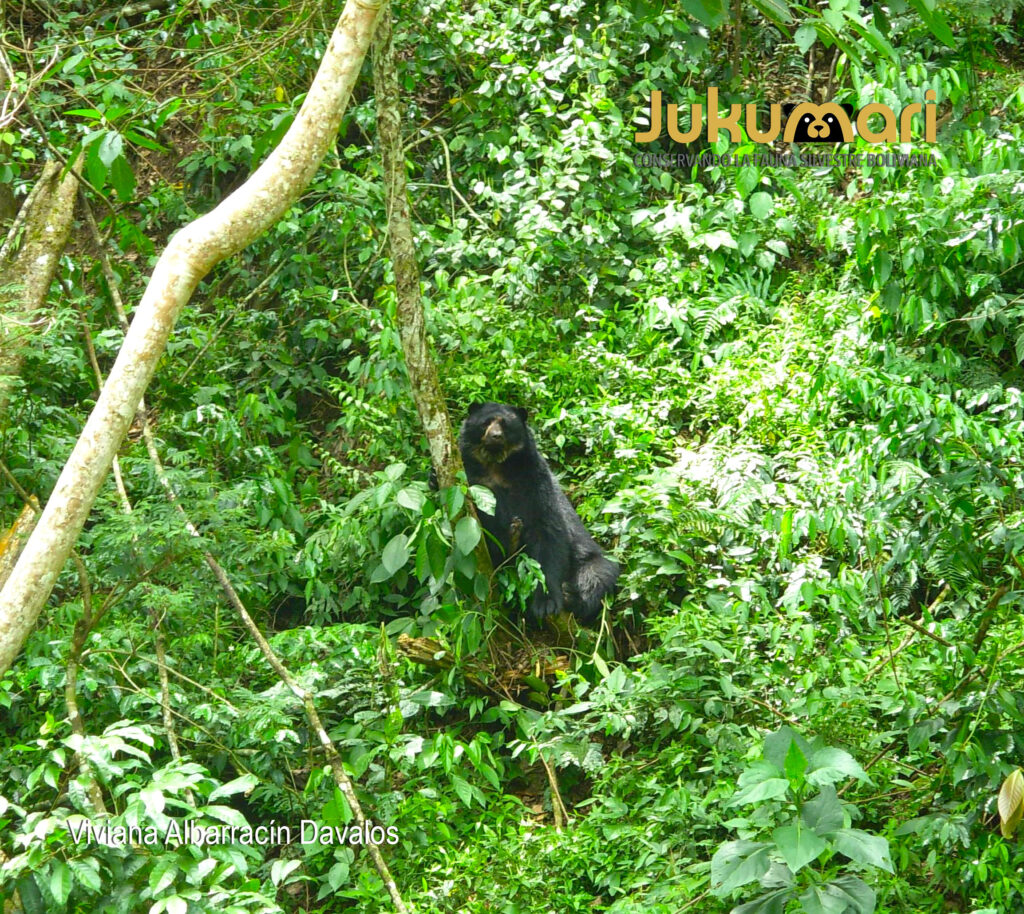
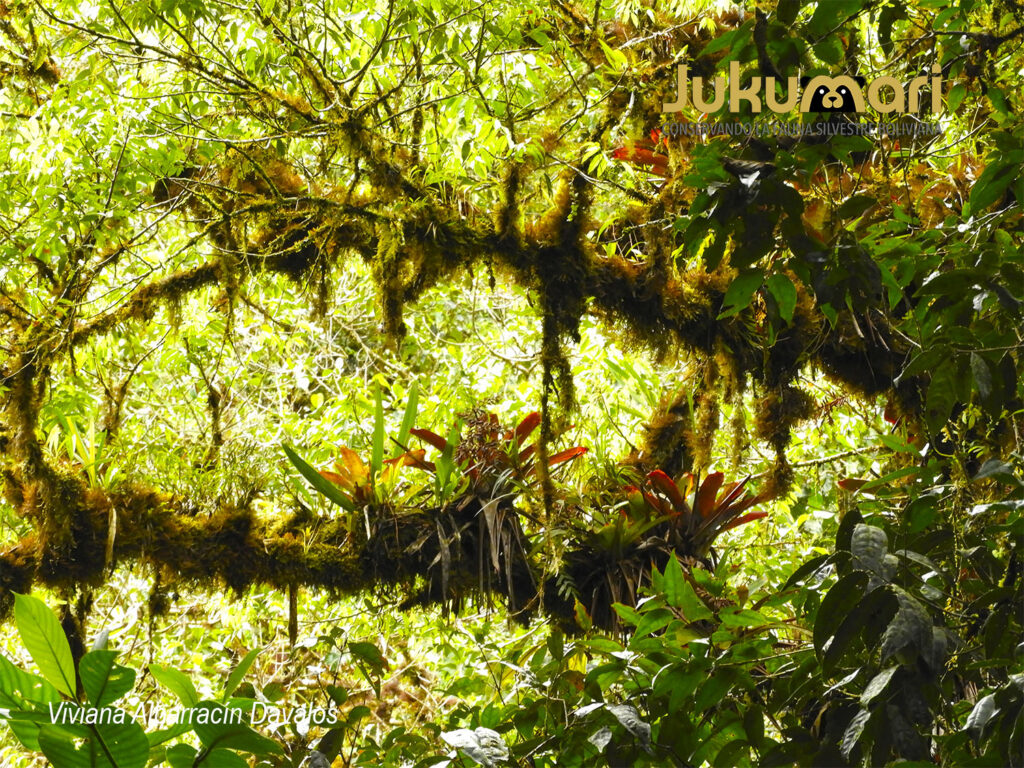
Despite its ecological importance, up-to-date and systematic information on the Jucumari’s distribution and ecology remains limited. In the department of Santa Cruz, the most recent published study dates back 27 years and was conducted near Amboró National Park. This substantial knowledge gap underscores the urgent need to generate updated data to guide effective conservation strategies.
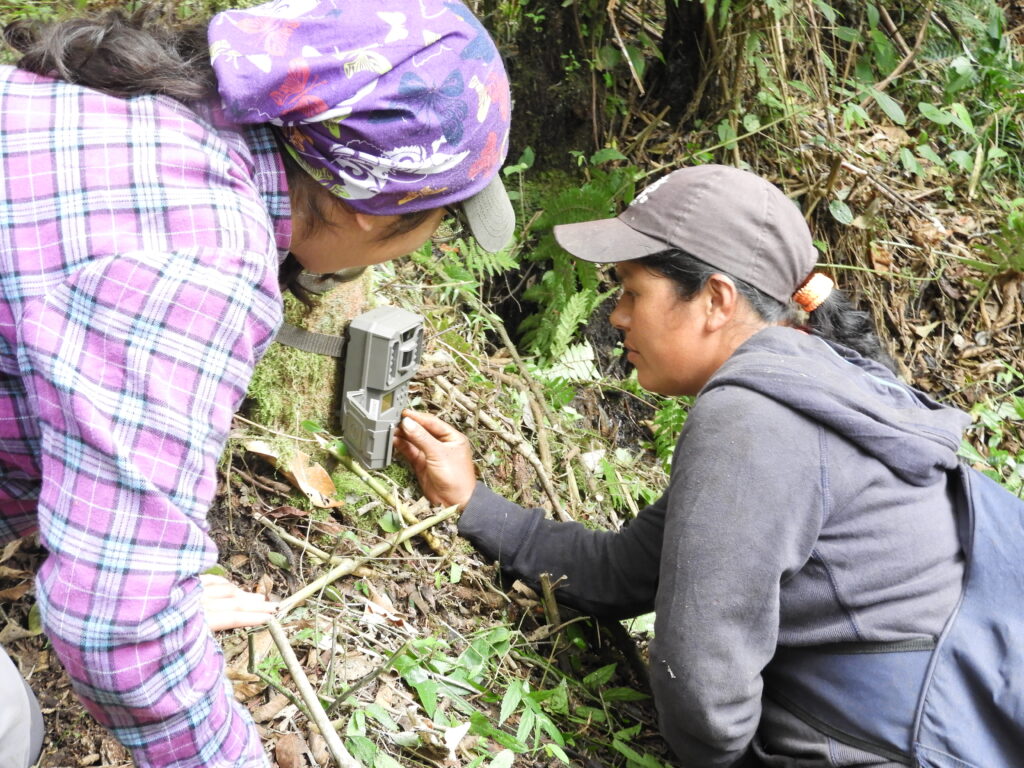
The project by Fundación para el Desarrollo de la Ecología FUNDECO/ Programa de Conservación JUKUMARI will assess the presence and distribution of the Andean bear in the municipalities of Mairana, Samaipata, and Comarapa. Through participatory monitoring, trained local residents will document signs of bear presence and identify key threats, particularly conflicts related to livestock.
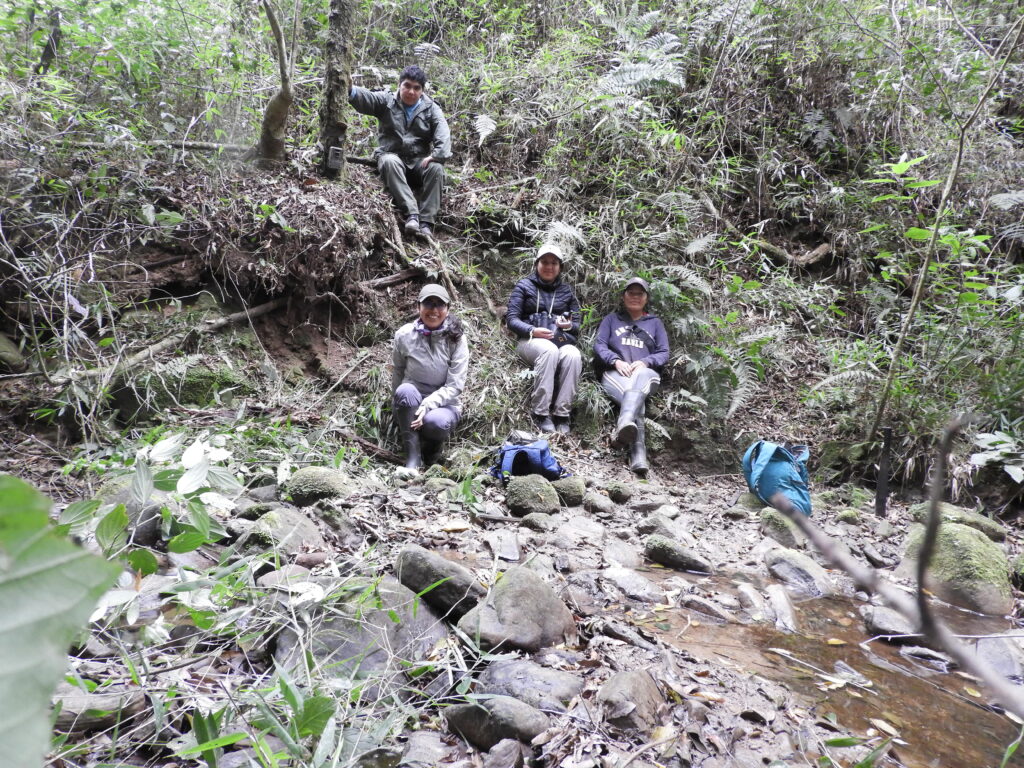
In parallel, the initiative will implement environmental outreach and awareness activities across the region, including community talks, educational materials, and local engagement events. These actions aim to strengthen understanding of the species’ ecological importance, reduce conflict, and foster a culture of coexistence.
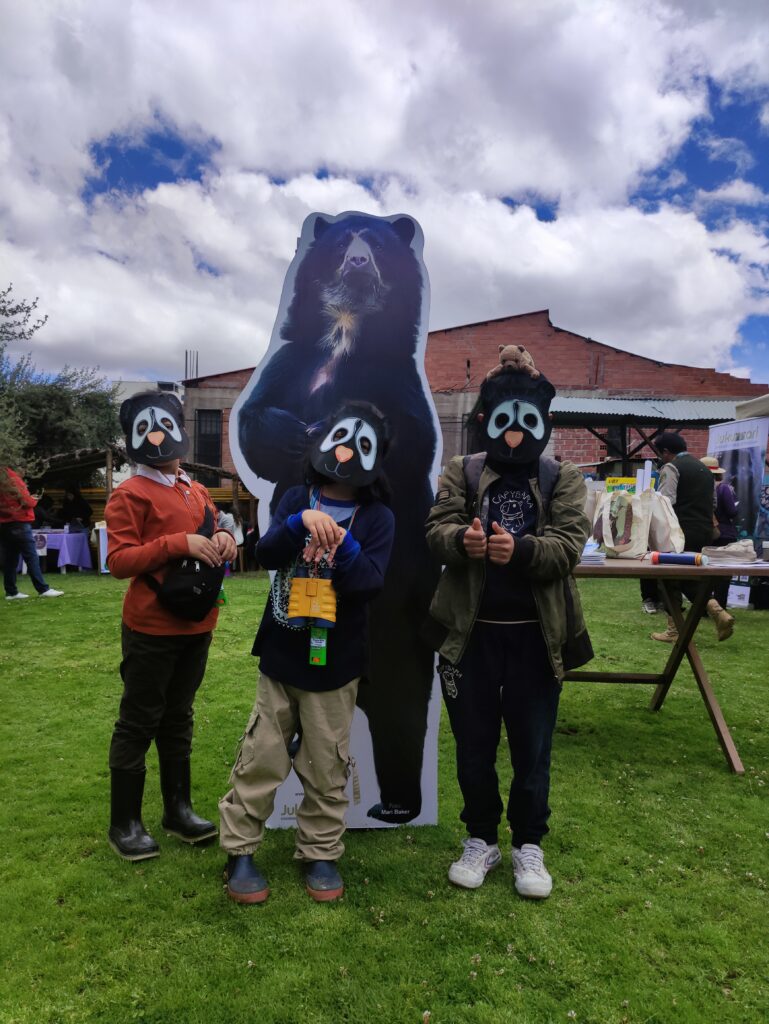
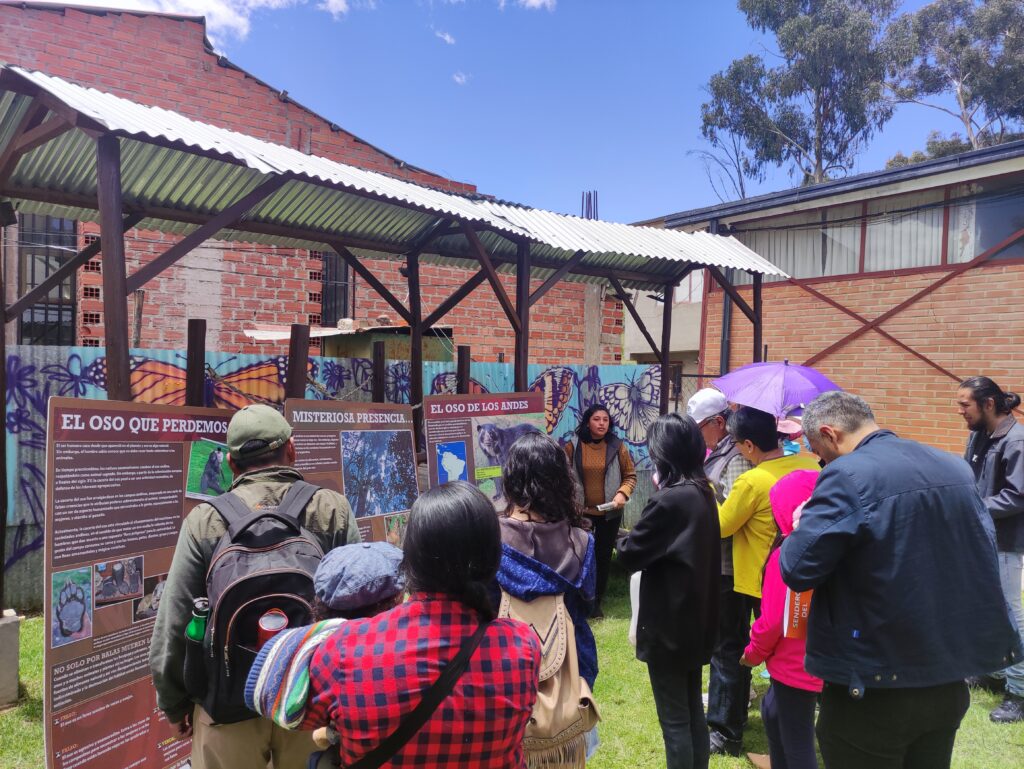
By integrating scientific research, participatory monitoring, and environmental education, this project will generate updated evidence, empower local communities, and reinforce the Jucumari’s role as a key indicator of ecosystem health in the tropical Andes.
Bears in Mind financially supports this project since 2026.