
The Andean bear or Jucumari (Tremarctos ornatus), the only bear species in South America, is classified as Vulnerable (VU) by the IUCN. As a flagship species of the tropical Andes, it inhabits cloud forests and highland grasslands that are essential for water regulation and climate stability. Yet in Bolivia, habitat loss and human–wildlife conflict increasingly threaten its survival.
Despite its ecological importance, up-to-date and systematic information on the Jucumari’s distribution and ecology remains limited. In the department of Santa Cruz, the most recent published study dates back 27 years and was conducted near Amboró National Park. This substantial knowledge gap underscores the urgent need to generate updated data to guide effective conservation strategies.
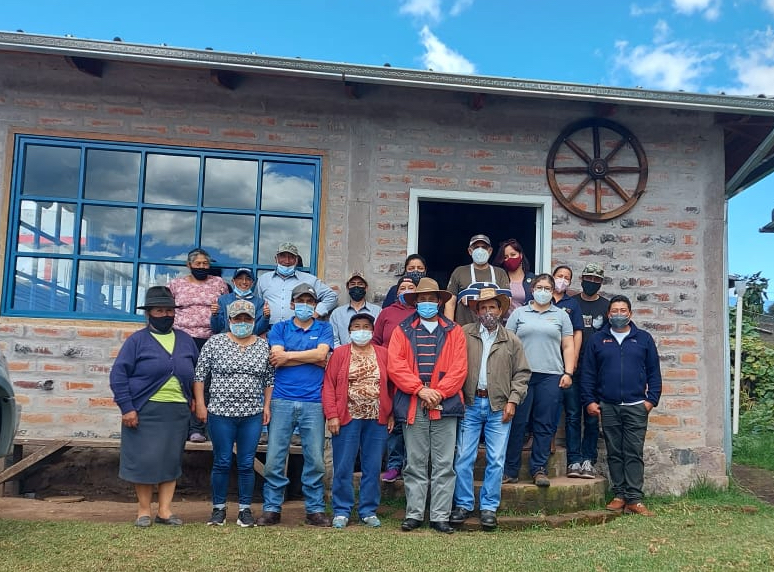
The project by Fundación para el Desarrollo de la Ecología FUNDECO/ Programa de Conservación JUKUMARI will assess the presence and distribution of the Andean bear in the municipalities of Mairana, Samaipata, and Comarapa. Through participatory monitoring, trained local residents will document signs of bear presence and identify key threats, particularly conflicts related to livestock.
In parallel, the initiative will implement environmental outreach and awareness activities across the region, including community talks, educational materials, and local engagement events. These actions aim to strengthen understanding of the species’ ecological importance, reduce conflict, and foster a culture of coexistence.
By integrating scientific research, participatory monitoring, and environmental education, this project will generate updated evidence, empower local communities, and reinforce the Jucumari’s role as a key indicator of ecosystem health in the tropical Andes.
Bears in Mind financially supports this project since 2026.
In Ecuador’s northern Andes, Andean bears increasingly traverse fragmented forests, farm lands, and settlements as agriculture expands and climates shift, heightening conflict risks.
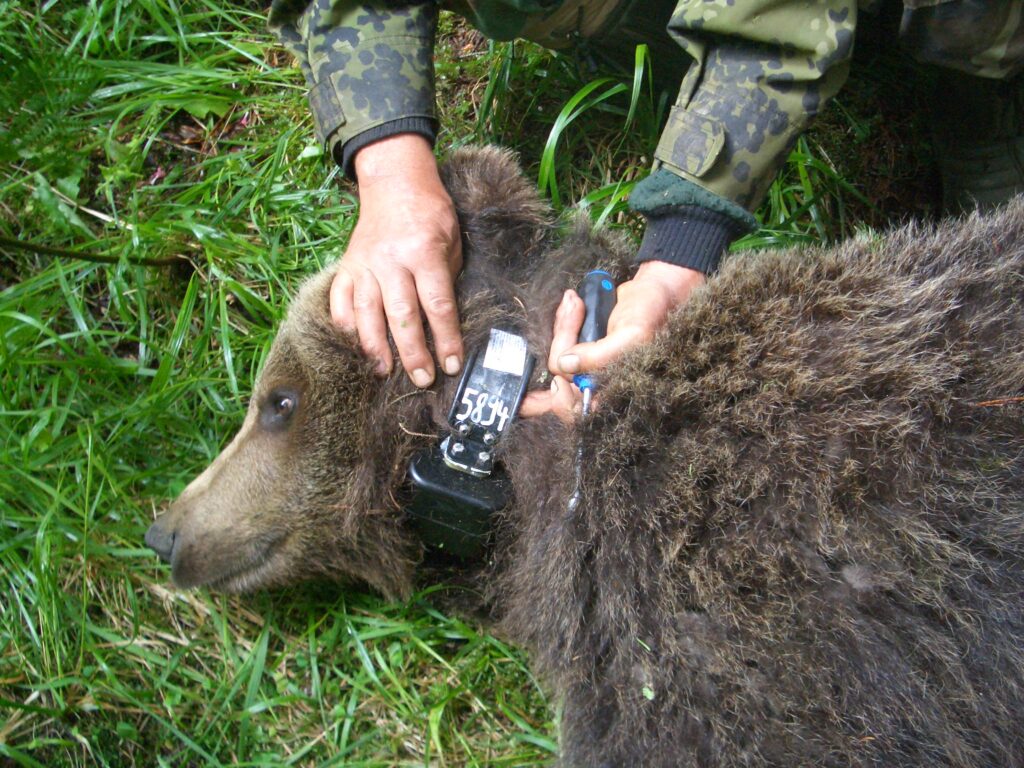
This research project by the Earth and Life Institute, UCLouvain in Belgium, develops a predictive modeling framework to anticipate bear movements and guide targeted conservation. Using GPS collar data, camera traps, and landscape variables, it analyzes how vegetation, topography, water, and infrastructure shape behavior. Spatial analyses inform an Agent-Based Model simulating bear responses under varied scenarios, revealing conflict arises from multi-scale interactions, not just overlap. The project adds geofencing alerts, rapid responses, community deterrents, and long-term monitoring to identify high-risk corridors and seasonal patterns, supporting evidence-based coexistence strategies.
…lives at the southern end of the Tropical Andes (Bolivia and Argentina). This region is one of the last areas of dispersion in the evolutionary history of this species. In the Southern Tropical Andes complex, the Andean bear may be a key species for understanding the general prospects that will be presented in the medium term for conserving other bear species in extreme environments or their core populations in the context of current climate change.
Within the framework of the Juco Project-Binational Yaguajuco Project (Juco means bear in the Runasimi language, and yaguá means jaguar in the Guaraní language, both indigenous languages of the region), the objectives of this research are to characterize the trophic ecology, food resource availability, habitat use and quality, and seasonal movements of the Andean bear in this environment of contrasts. This study is essential for characterizing the degree of adaptability and threat that bears and their habitat could face in the immediate future due to various anthropogenic pressures and changes in the climate and ecosystem regimes.
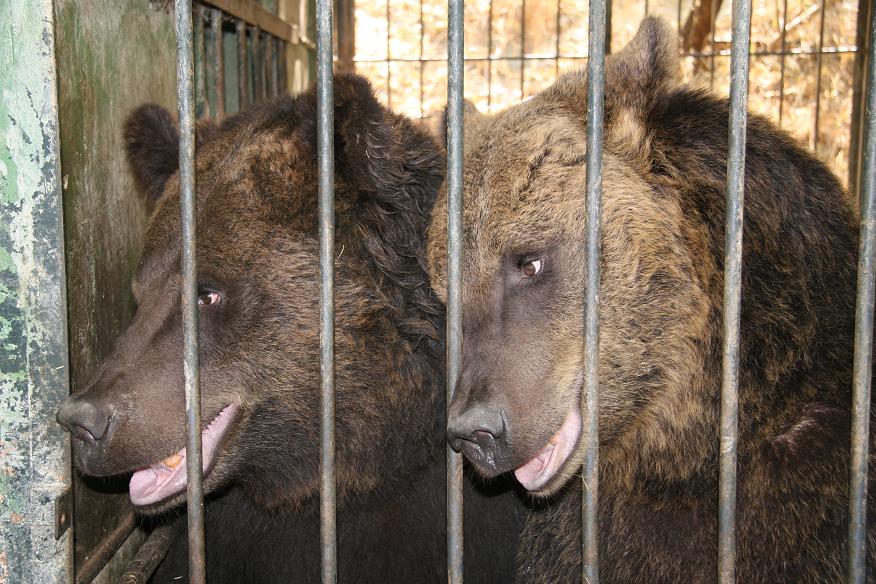
All species of bears are threatened by illegal trade for their parts, used as trophies, for consumption and for use in traditional medicines. The experts at Monitor Conservation Research Society (Monitor) have carried out research and enforcement support to counter the illegal trade in bears, especially, but not limited to, Asia, over the past few decades. One of the greatest obstacles in countering the illegal international trade in bear parts and derivatives is the lack of effective use of the Convention on International Trade in Endangered Species of Wild Fauna and Flora (CITES). With 185 members, CITES is the world’s leading convention in place to regulate and control the international trade in wildlife – including all eight species of bears. Conf. 10.8 (Rev. CoP14) in 2007, noted that
“the continued illegal trade in parts and derivatives of bear species undermines the effectiveness of the Convention and that if CITES Parties and States not-party do not take action to eliminate such trade, poaching may cause declines of wild bears that could lead to the extirpation of certain populations or even species”
and recognised that
“long-term solutions for the protection and conservation of bears require the adoption of substantive and measurable actions.” It further urged parties to carry out a number of actions and recommended that Parties “review and strengthen measures, where necessary, to enforce the provisions of the Convention relating to specimens of species included in Appendices I and II, where bear parts and derivatives are concerned and further that Parties and States not-party, as a matter of urgency, address the issue of illegal trade in bear parts and derivatives.”
Monitor has found that at least some Parties to the Convention involved in illegal and/or unsustainable trade in bear parts and derivatives have not taken significant actions to address this problem or to follow up on the recommendations of Conf. 10.8 (Rev. CoP14). There has been no systematic review of the actions taken by Parties on this matter and therefore no accountability. The team has secured funds from Bears in Mind to allow them, working with partners, to investigate this issue and to carry out a review of actions prior to the coming Conference of the Parties of CITES, which will be held in Uzbekistan in November 2025.
We believe that the effective implementation of Conf. 10.8 (Rev. CoP14), and the continued monitoring of progress on this issue is absolutely essential to making CITES an effective tool for bear conservation and that the lack of implementation not only undermines the Convention but also undermines efforts and opportunities to ensure international illegal and unsustainable trade is not a threat the conservation of bears.
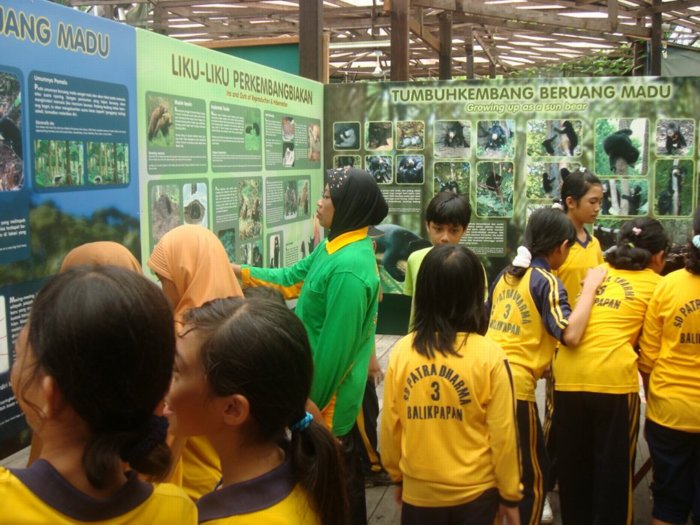
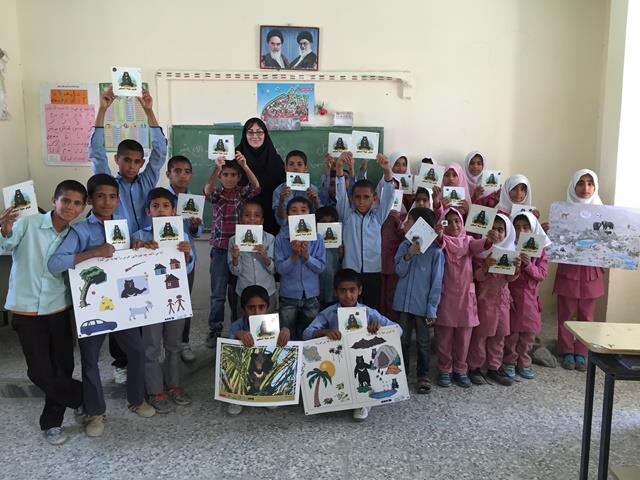
Andean bear conservation can be strengthened by transmitting ecological knowledge that challenges preconceived negative, and often baseless or misleading notions about the bears. In rural communities children are key actors to receive and share this knowledge. They can bring home new perceptions about Andean bears and influence their families to change their negative, if present, attitudes towards bears. These perceptions are presented and developed in an educational space in rural schools where the Andean bear becomes the main study subject for a group of children. They can learn most of the bear’s nature through creative and playful activities based on records and ecological data obtained in their local area.
This project by Fundacion Humedales, supported by Bears in Mind since 2024, aims to implement Andean Bear schools in four communities close to Mamapacha mountain range, a protected area important for bear conservation in the Eastern Cordillera of Colombia. As in other places where people are in close contact with bear populations, coexistence can be conflictive. The main goal of the project is to disseminate actual knowledge about the nature and ecology of the Andean bear to children of Mamapacha rural communities and in doing so to reach the adult population and give new perspectives for them to manage the human-bear conflict.
Board game ‘La Senda del Oso’ (The Bear’s Trail) designed for the children in the schools
Or in Spanish: Subiendo Montañas por el Oso Andino! Is an exciting new multifaceted project aimed at achieving two main goals.
The initiative includes the challenge of climbing 12 significant mountains across Ecuador, symbolizing a commitment to conservation efforts.
Alongside this, the project will establish the School Park “Getting to know the Andean Bear” in surrounding communities, creating an educational and recreational space dedicated to the Andean Bear.
Additionally, an ‘Environmental Communication program’ will be launched to engage and educate local communities about the importance of conserving the Andean Bear and its high-altitude páramo habitat. Alongside this program, merchandising will be produced to maintain the sustainability of this initiative.
The project will also encourage public participation by inviting individuals to climb the mountains alongside Andean Bear researcher Santiago Molina. Participants will contribute financially and receive a project-branded T-shirt or thermos as part of their contribution.
By combining personal adventure with community-focused conservation education, the project aims to foster a deeper appreciation for wildlife protection and promote sustainable environmental stewardship in the region. Bears in Mind financially supports this adventurous project since 2024.
The province of Paucartambo, located in the Cusco region of Peru, has diverse ecosystems such as grasslands and cloud forests that constitute the main habitat of the Andean bear (Tremarctos ornatus), this species that plays a crucial role in seed dispersal and maintaining ecological balance. However, their survival is threatened by habitat loss, poaching, and interactions with human activities. This province is part of the Manu Biosphere Reserve, so it is important that the local population knows and values the species.
Knowing the situation of the Andean bear in this province, there is a need to have an environmental education project focused on the dissemination of its ecology and conservation. This project, executed by the non-profit Q’alachaqui with financial help from Bears in Mind since 2024, seeks to promote awareness about the importance of protecting the Andean bear and its habitat, through educational activities, interactive workshops and the participation of the local educational community. The target audience of the project is primary level students from educational institutions in the district of Paucartambo, since children recognize the cultural relationship with the species, however, they do not know or understand the impact that the Andean bear plays in the local ecosystems.
“Andean Bear, the conflict over territory” is a film documentary about the Andean bear, an endangered and endemic species from tropical Andes. The Andean bear is one of Ecuador’s emblematic species. Its presence has been more notorious in the last decades due to the reduction of its habitat and the consequent approach to the communities. Agriculture and cattle ranching threaten their territory and we want to tell their story to contribute to the conservation of this endangered species.
In this sense, the team wants to show the reality of the Andean bear in the Metropolitan District of Quito and in the province of Pichincha, the ecology and biology, the conflict with the communities, the commitment of public and private institutions for its conservation and show the research work of Santiago Molina of this emblematic species of Ecuador which little is known, with a strong citizen science focus.
The team has five objectives with this film documentary:
– Reveal the reality of the Andean bear in the Province of Pichincha and the DMQ. The team has the need to make the consequences visible of human behavior on the environment, through all the actors and parties involved in the Metropolitan District of Quito and the different nearby ecosystems where the Andean bear lives. – To show that the conflict over the territory of the Andean bear is not only between humans and bears, but also between humans and natural resources. – To make a documentary from a scientific approach and not merely contemplative and idealized. – To propose ways of coexistence between bears and humans, through environmental education. The team believes that sensitizing the population that coexists with the bear would allow the acceptance and coexistence in the same territory. – Lastly, the team wants to encourage the protection of this emblematic species of Ecuador, through environmental education, scientific dissemination and support for the development of public policies that protect this species and favor conservation.
Evaluation of the Andean bear (Tremarctos ornatus) population status has been developed in Colombia by using occupancy and density estimations in highly fragmented and low-quality areas, which makes it necessary to accomplish these studies on the population in high-connectivity areas. Understanding population dynamics is essential for preserving and managing wildlife, because it provides the most direct measures to approach issues, and population trends allow identifying the most important factors for long-term species viability. A Population Viability Analysis (PVA) may help identify the most significant aspects regarding wildlife population growth, and its resulting models may be used for evaluating the effects of management strategies to identify the most effective conservation actions for a certain population or species, as well as further research needs.
This study, supported by Bears in Mind since 2023, aims to determine the Andean bear population viability at the Guacharos-Puracé Biological Conservation Corridor PNR in Southern Huila in Colombia, with the participation of local community monitoring groups.
This project, supported by Bears in Mind since 2022, aims to assess the population and conservation status of the Andean Bear (Tremarctos ornatus) in Calipuy National Reserve in the La Libertad Region of Peru, in partnership with SERNANP-RNC (National Parks Service). The area is situated at the southern-most end of the Peruvian western Andes and consists of dry montane forest and coastal desert habitat, a unique ecosystem occupied by the species with little known about its populations and their habitat use. As a result, these populations are not recognised in the IUCN’s species range. With frequent bear sightings by rangers and locals in Calipuy, the population potentially represents the most southern species population of the western Andes and one of the last links to the Central Andean populations.
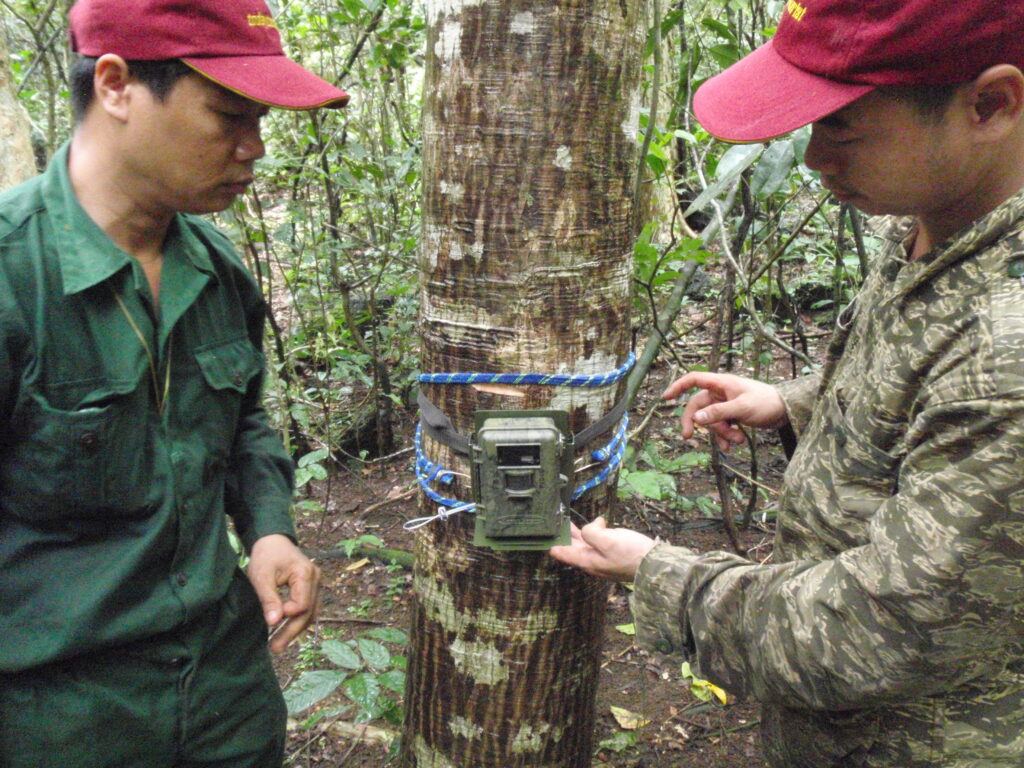
By training rangers in the use of camera traps, and with the help of their local knowledge, the team from Instituto de Investigación en Ecología y Conservación (IIECCO) aims to estimate the occupancy of the Andean bear along environmental and anthropogenic gradients within the reserve as well as describe their activity patterns. This information will enable the team to understand how these bears use the unique habitat and inform management plans specifically for coastal bear populations.
Photo copyright with: IIECCO, Calipuy National Reserve – SERNANP, NatureSpy, Idea Wild, and The Rolex Explorers Club Grant
We use cookies to ensure that we give you the best experience on our website. If you continue to use this site we will assume that you are happy with it.